

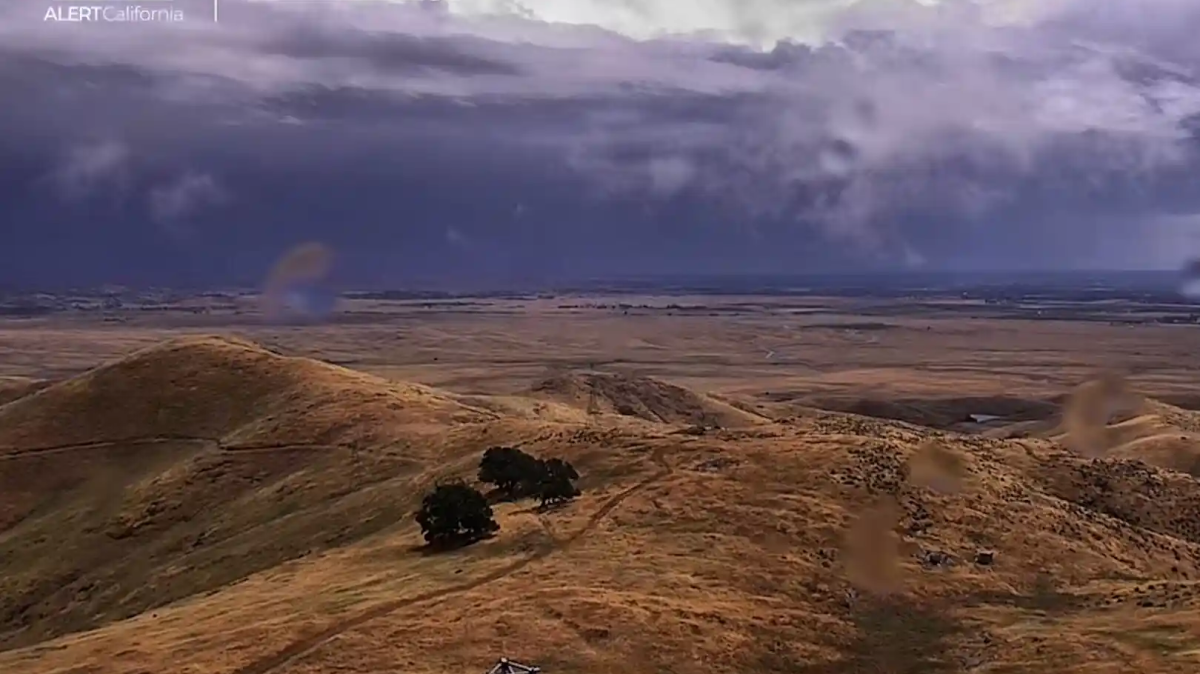
Tornado Touches Down in Central Valley, California: An Uncommon Weather Phenomenon
On April 21, 2026, a rare tornado struck near Biola, California, prompting the National Weather Service (NWS) to deploy meteorologists to assess the damage. The tornado formed around 2:12 p.m. as a Pacific storm system moved through the Central Valley.
Tornado Details and Impact
Meteorologist Nick Daer from the NWS office in Hanford reported that the funnel cloud was observed about nine miles west of Fresno. The tornado maintained contact with the ground for over 10 minutes while it traveled northeast at a speed of 15 miles per hour. This unusual weather event followed a morning of rain, creating the perfect conditions for tornado development.
Unique Atmospheric Conditions
Daer explained how a combination of moisture from the Pacific Ocean and rising afternoon temperatures contributed to the tornado’s formation. “That combination of a moist environment and warming air created the conditions for a tornado to form,” he stated.
Historical Context of Tornadoes in California
While tornadoes are rare in California, historical data from Golden Gate Weather Services reveals that 487 tornadoes have been documented in the state since 1950. The most recent significant tornado in the Fresno area occurred in January 2019, when an EF1 tornado impacted Clovis.
Alerts and Safety Measures
As the storm progressed through the afternoon, the NWS Hanford office swiftly issued alerts to residents about potential hazardous debris. “Flying debris will be dangerous,” warned the NWS, emphasizing the need for safety precautions as the weather continued to unfold.
The agency is currently monitoring the effects of the tornado on local infrastructure and will provide further updates on the tornado’s intensity using the Enhanced Fujita scale.
Conclusion
The recent tornado in the Central Valley serves as a stark reminder of the unpredictable nature of weather patterns in California. The NWS continues to prioritize community safety by keeping residents informed about potential hazards associated with severe weather events. For more information on tornado preparedness, visit the CDC’s tornado safety page.
By staying prepared and informed, communities can better navigate the challenges posed by such rare but impactful weather phenomena.
