

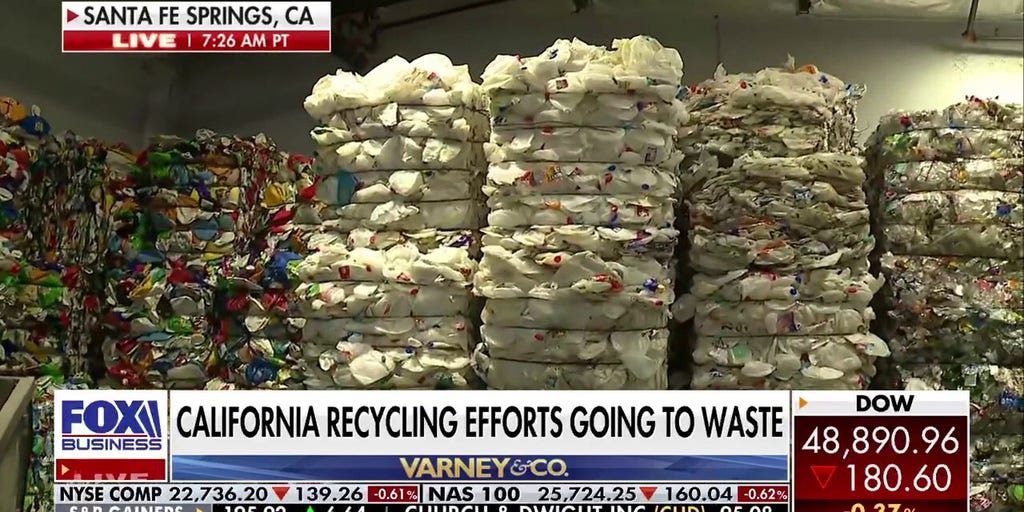
California’s Recycling Efforts Going to Waste: A New Report Reveals Concerns
Introduction
California has long been a pioneer in environmental sustainability and recycling programs. However, a recent report highlights that the state’s recycling initiatives may not be living up to expectations. This article delves into the findings, implications, and potential solutions for California’s recycling conundrum.
The State of California’s Recycling Program
California’s recycling systems were initially designed to reduce waste, conserve resources, and promote sustainability. Despite these noble objectives, the effectiveness of the program has come under scrutiny.
Key Findings of the Report
A newly released report reveals shocking statistics about California’s recycling framework. Over 30% of recyclable plastic waste ends up in landfills rather than being processed. The study cites various systemic issues that contribute to this inefficiency, including inadequate facilities, insufficient funding, and a lack of public awareness regarding proper recycling practices.
Inefficiencies in Recycling Facilities
Many recycling plants in California face operational challenges that hinder their ability to process materials effectively. The limited capacities of these facilities lead to bottlenecks, where recyclable materials pile up and are inevitably discarded. This has raised questions about the sustainability of California’s recycling infrastructure.
Insufficient Maintenance and Funding
Inadequate maintenance of existing recycling plants is a critical barrier. Additionally, funding cuts in recent years have stunted program growth and innovation. Efforts must focus on improving the operation and maintenance of these facilities to ensure they can meet current demands.
Public Awareness and Participation
The Role of Consumer Behavior
Consumer participation is essential for a successful recycling program. The report indicates that misunderstandings about what materials can be recycled are widespread among the public. This confusion leads to contamination in recycling bins, further decreasing the effectiveness of recycling efforts.
Strategies to Enhance Public Knowledge
Educational campaigns aimed at informing the public about proper recycling practices could significantly improve the quality of recycled materials. Local governments and organizations should collaborate to roll out comprehensive initiatives aimed at enhancing public engagement in recycling efforts.
The Environmental Impact of Ineffective Recycling
The ramifications of failing to effectively recycle are profound. Increased waste in landfills contributes to greenhouse gas emissions, exacerbating climate change. Furthermore, the lost opportunity to recover valuable materials means relying more heavily on virgin resources, which are finite and require energy-intensive extraction processes.
Alternatives to Traditional Recycling
California must explore and invest in innovative solutions such as upcycling and biodegradable materials to complement traditional recycling practices. These alternatives can reduce the overall waste footprint and lessen dependency on recycling systems that are currently underperforming.
Legislative Actions
Policy Improvements on the Horizon
In light of the findings, state lawmakers are being urged to consider legislative changes that could revamp the recycling system. Proposed measures include increasing funding for recycling programs and enhancing penalties for non-compliance among manufacturers and consumers alike.
Promoting Extended Producer Responsibility (EPR)
Another promising approach is the adoption of Extended Producer Responsibility (EPR) laws. These regulations would hold manufacturers accountable for the entire lifecycle of their products, including end-of-life disposal and recycling, fostering a more sustainable manufacturing cycle.
Conclusion
The recent report sheds light on critical shortcomings in California’s recycling programs. As the state strives to address these challenges, a comprehensive approach involving improved facilities, public awareness, and legislative action is essential. By prioritizing these changes, California can reinvigorate its recycling efforts and work toward a more sustainable future.
Additional Resources
For further reading on California’s recycling initiatives and environmental sustainability, you can explore:
- California Department of Resources Recycling and Recovery
- Environmental Protection Agency: Recycling
- Upcycling: A Creative Solution to Waste
Investing in a comprehensive recycling strategy now will pave the way for a cleaner and greener California tomorrow.
