

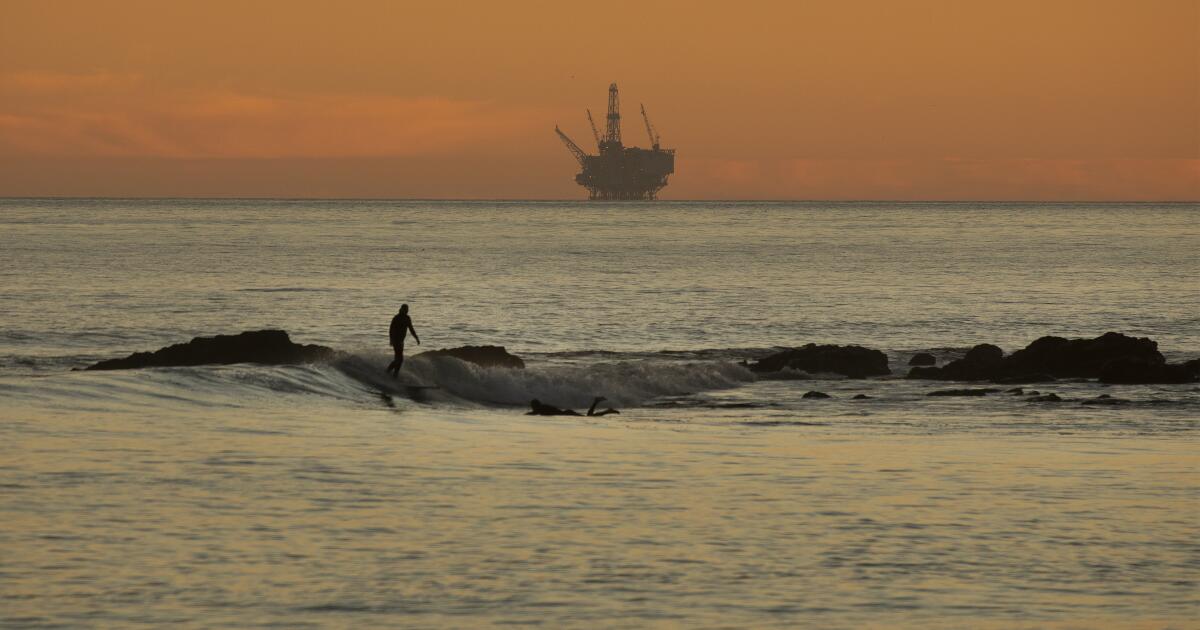
Sable Offshore: Navigating Legal Waters to Restart California Oil Pipelines
Sable Offshore Corp., a Houston-based oil company, has found a way to bypass a court order preventing the restart of its oil pipelines in California. With assistance from the Trump administration, the company is pursuing the resumption of operations that have been inactive since a significant oil spill in 2015.
Background of the Pipeline Controversy
In May 2015, a leak from a corroded oil line released nearly 143,000 gallons of crude oil, damaging extensive stretches of the Santa Barbara coastline, including multiple marine preserves. Since that incident, the pipelines have remained shut down due to stringent regulatory requirements established in a 2020 consent decree designed to protect the environment.
Despite these measures, Sable Offshore has contended that it has completed over $100 million in repairs and upgrades, asserting that the main barrier to restarting operations lies with the Newsom administration’s resistance.
The Trump Administration’s Intervention
On March 13, a directive issued by the Department of Energy invoked the Defense Production Act, claiming “national security” as justification for preempting both state laws and the aforementioned consent decree. The action enabled Sable to resume operations immediately, despite a standing court order to keep the pipelines closed.
Legal Battles and Court Orders
The confrontation between Sable Offshore and state authorities has led to extensive litigation. Recently, Judge Donna Geck of Santa Barbara state court upheld the injunction prohibiting the pipeline’s restart. Environmental groups are now pressing the court to hold Sable in contempt for commencing operations without the necessary state clearance.
Environmental and Safety Concerns
The original 2015 spill, known as the Refugio oil spill, draws comparisons to the infamous Santa Barbara spill of 1969 that ignited the environmental movement. Though smaller in scale, the 2015 incident caused severe ecological damage by affecting four marine protected areas.
Environmental organizations argue the risks associated with restarting the pipelines are substantial. A pending hearing will further evaluate Sable’s compliance with legal mandates aimed at protecting California’s coastlines.
Economics and National Security Claims
Sable maintains that it is necessary to replenish local oil supplies to enhance national security. The Department of Energy has criticized California for its “radical state policies” that supposedly inhibit oil production, linking declines in domestic output to broader geopolitical tensions.
However, many experts dispute these claims, suggesting that even maximum production from Sable’s offshore wells would have negligible impacts on the global oil market. UC Santa Barbara economist Paasha Mahdavi noted that the projected capacity of over 60,000 barrels per day pales in comparison to the U.S.’s total production rates.
The Price of Oil and California’s Policies
The price of crude oil has seen significant fluctuations recently, rising from approximately $55 per barrel at the start of the year to as much as $114 by June, a change that cannot be solely attributed to California’s regulatory environment. The state’s policies aimed at limiting emissions contribute to higher fuel costs, but external factors including oil supply disruptions significantly influence market prices.
Governor Gavin Newsom has countered claims from the Trump administration, citing that the action against California’s policies fails to account for substantial global influences, particularly the economic repercussions of geopolitical tensions such as those driven by the Iranian conflict.
Conclusion: An Ongoing Battle for Energy Oversight
The resurrection of Sable Offshore’s California pipeline system remains entangled in a myriad of legal, environmental, and economic challenges. With ongoing litigation and heightened scrutiny from environmental groups, the future of the pipeline and its impact on both local and national energy policies remains uncertain. Stakeholders continue to debate the balance between energy production and environmental safety, setting the stage for further developments in this contentious issue.
Resources for Further Exploration
- California’s Petroleum Market
- Impact of Oil Spills on Marine Environments
- The Defense Production Act
This ongoing situation exemplifies the intricate relationship between energy production, environmental conservation, and regulatory frameworks in California, emphasizing the need for balanced approaches to national and state challenges.
