

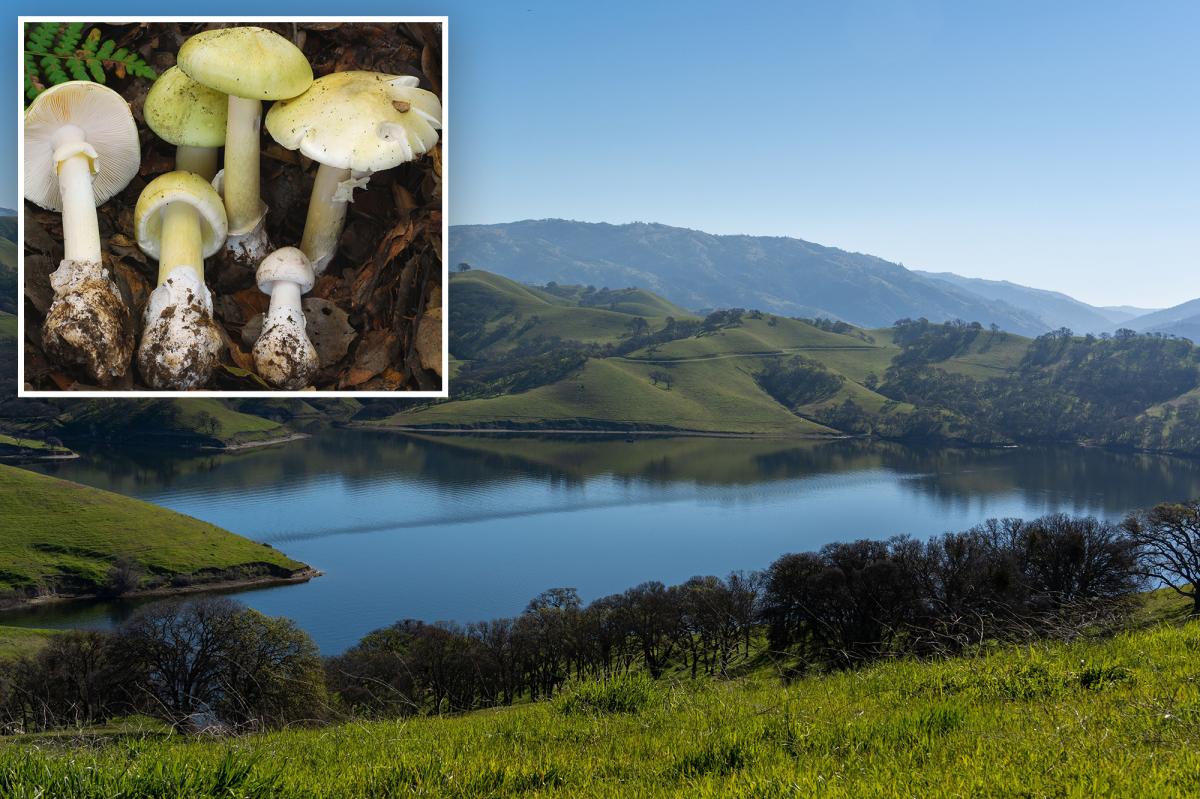
California’s Death Cap Mushroom Crisis: A Growing Concern
Move over Hollywood; California is facing an unsettling reality as a surge of toxic Death Cap mushrooms emerges from its once-idyllic forests. This alarming phenomenon has transformed casual foraging into a nightmare for many, with tragic consequences.
A Toxic Super-Bloom
Since mid-November, at least four people have lost their lives due to consuming these notorious fungi, while three others required urgent life-saving liver transplants. Over thirty individuals have reported serious illness after confusing these lethal mushrooms for edible varieties, prompting widespread media coverage on this emerging crisis.
Understanding the Threat
Typically, California records fewer than five mushroom poisonings annually, according to the California Department of Public Health (CDPH). However, an unusual combination of warm autumn temperatures and early rainfall has created a “fungi apocalypse,” drastically heightening the risks associated with wild mushroom foraging.
The CDPH has yet to officially ban wild mushroom foraging but has issued urgent health advisories against the practice, especially in high-risk areas such as the Bay Area and Monterey. Authorities are strongly urging foragers to reconsider their activities in light of these new dangers.
The Hidden Dangers of Death Caps
The Death Cap is recognized as one of the deadliest mushrooms globally and contains potent amatoxins responsible for over 90% of fatal mushroom poisonings worldwide. These mushrooms can often be found in urban parks and forests, typically beneath oak trees, amplifying the urgency for public awareness.
Identifying the Risks
Julie Schreiber, an expert with the North American Mycological Association, emphasizes the difficulty in distinguishing poisonous mushrooms from edible ones. “You have to be 100% CERTAIN before you ingest these mushrooms,” she advises, underscoring the severe health risks that can arise from even a moment of uncertainty.
Symptoms of Poisoning
The symptoms of Death Cap mushroom poisoning typically manifest within six to twenty-four hours, beginning with nausea, cramps, diarrhea, and vomiting. Many individuals may experience a deceptive improvement in their symptoms before a serious decline. The critical phase occurs roughly 48 to 96 hours post-ingestion, which can lead to severe liver damage and necessitate hospitalization, sometimes even intensive care.
Who is at Risk?
The victims of this crisis have ranged widely in age, including a 19-month-old toddler and a 67-year-old adult. This stark reality serves as a reminder that the dangers posed by these mushrooms extend to individuals of all ages, making awareness crucial for families and communities alike.
Steps to Stay Safe
- Educate Yourself: Understand the characteristics of poisonous mushrooms. Consider seeking guidance from experts before foraging.
- Avoid Wild Foraging: As advised by health officials, it is safer to purchase mushrooms from reputable sources.
- Spread Awareness: Share information with friends and family to help others recognize the dangers of Death Cap mushrooms.
Conclusion
With the alarming rise in Death Cap mushroom poisoning cases in California, it’s imperative that residents heighten their awareness and caution. As the holiday season approaches and foraging may seem tempting, it is essential to prioritize safety and avoid potential tragedies linked to these toxic fungi. For more information about mushroom poisoning and its consequences, visit the California Department of Public Health.
Stay safe, and remember: if you’re unsure about a mushroom’s edibility, it’s best to leave it alone.
