

The 2026 Super Bowl: A Historic Return to Northern California
The anticipation is building as the 2026 Super Bowl is set to return to Northern California, marking the first time in a decade that the prestigious event occurs in the Bay Area. Scheduled to take place at Levi’s Stadium in Santa Clara, this upcoming match promises to be an exciting celebration of football, particularly given Northern California’s favorable weather history during past Super Bowl events.
Previous Super Bowls in Northern California
Levi’s Stadium previously hosted the Super Bowl ten years ago, in which the Denver Broncos triumphed over the Carolina Panthers with a score of 24-10. That game saw ideal conditions: a kickoff temperature of 76 degrees and moderate winds that eased as the game progressed, according to data from the Southeast Regional Climate Center.
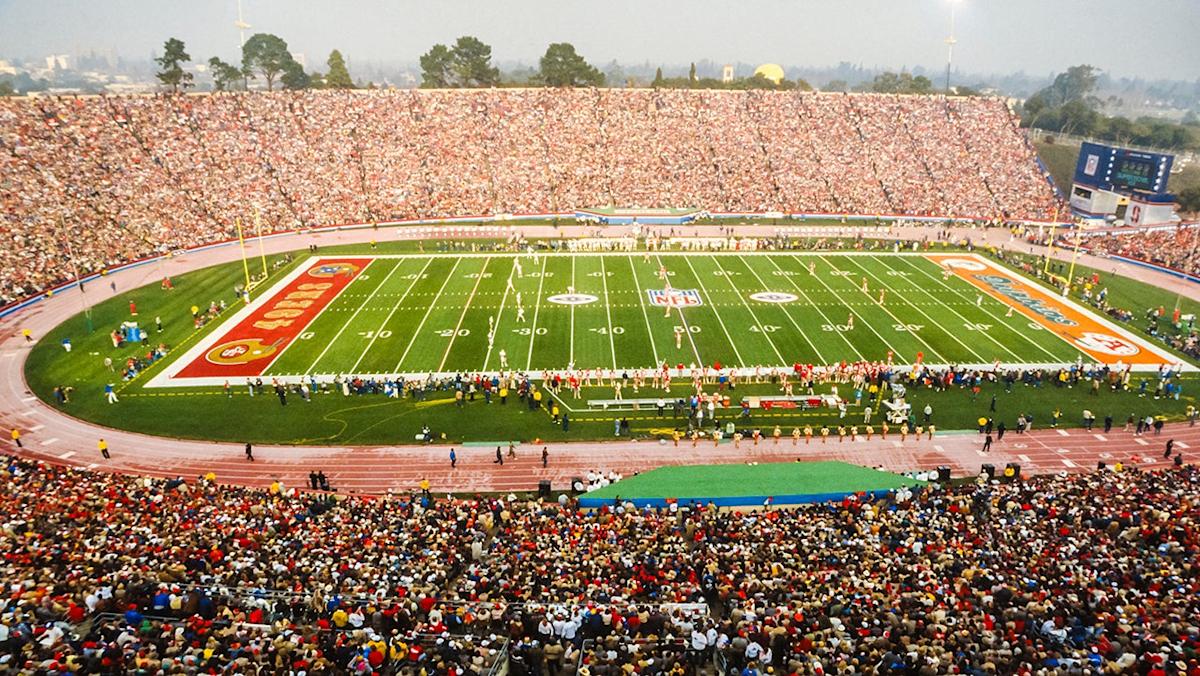
Before this landmark event, the only other Super Bowl in Northern California was held in 1985 at Stanford Stadium, where the San Francisco 49ers delivered a resounding victory against the Miami Dolphins, winning 38-16. Unlike the more temperate conditions in 2016, that game featured a chillier kickoff temperature of 53 degrees.
Southern California’s Super Bowl Legacy
While Northern California is set to make headlines again, Southern California has a rich Super Bowl legacy, having hosted 11 games, including the inaugural Super Bowl in which Vince Lombardi’s Green Bay Packers defeated the Kansas City Chiefs. Historical weather remained mostly dry during these games, although a few notably high temperatures have been recorded.
For instance, the 1973 Super Bowl held at the Los Angeles Coliseum had the hottest kickoff temperature at 84 degrees. This game has become legendary, as the Miami Dolphins completed an undefeated season by edging out the Washington Redskins.
The Impact of Weather on Super Bowls
Weather can greatly influence the outcome and experience of a Super Bowl, and several games have been impacted by less-than-ideal conditions. For example, the 2007 Super Bowl in South Florida saw almost an inch of rain, influencing gameplay with eight turnovers, including five fumbles. Despite the downpour, the Indianapolis Colts arose victorious over the Chicago Bears.
The 2014 Super Bowl in East Rutherford, New Jersey, also showcased uncomfortable weather. Despite a kickoff temperature of only 49 degrees, this event required fans to bundle up, predicting a drastic change as significant snowfall followed the next day.
Unpredictable Forecasts: Chilly and Windy Games
In the past, games in colder climates have led to chilly conditions for players and spectators alike. The 1972 Super Bowl, played outdoors at Tulane Stadium in New Orleans, recorded temperatures soaring only to 43 degrees, making it the coldest outdoor Super Bowl in history. Similarly, the 2018 Super Bowl in Minneapolis experienced temperatures of just 2 degrees outside, although attendees experienced a comfortable environment inside the U.S. Bank Stadium.
Wind has also played a crucial role in several games, with gusts of up to 30 mph recorded during the 1980 Super Bowl in Pasadena, California. Such conditions can introduce unpredictability in play, leading to memorable moments that fans cherish.
The Future of Super Bowls in Ideal Weather Conditions
As anticipation builds for the 2026 Super Bowl, which promises to bring fans to Levi’s Stadium once more, spectators and organizers alike are hopeful for the same favorable weather conditions that have characterized California football events in the past. Given the history of ideal atmospheres, the Bay Area could once again set the stage for an unforgettable showdown.
For more insights and updates as we approach the big game, check the latest forecasts, including temperature and wind conditions, and make use of detailed weather breakdowns to stay informed.
This article aims to provide an engaging overview of the 2026 Super Bowl and historical Super Bowl weather conditions while employing effective SEO techniques through strategic external links.
