

California Avocado Season: A Guide to the Harvest
March Initiates Avocado Harvesting in California
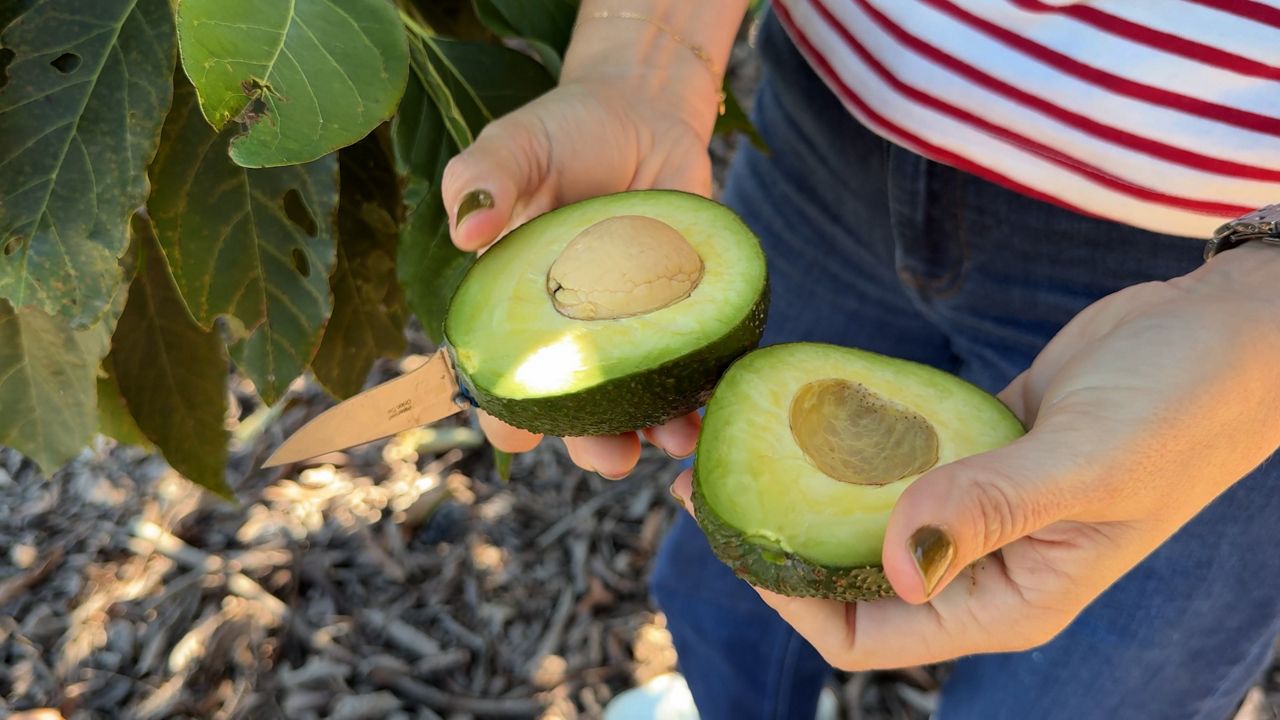
March heralds a delightful time for avocado lovers, marking the commencement of the avocado season in California. During this time, last year’s fruit is primed for harvesting and distribution across various markets in the state and beyond. The California avocado industry plays a significant role in the U.S. market, setting standards and introducing new varieties that embody the unique characteristics of this beloved fruit.
Key Insights into California Avocado Farming
- Start of Avocado Season: March is the official beginning of the avocado harvest in California.
- Growth Timeline: It takes approximately 14 to 18 months for a California avocado tree to yield fruit.
- Major Nursery: Brokaw Nursery, located in Ventura, is a primary producer of avocado trees, supplying the majority of California’s farms.
- Market Overview: While the U.S. relies heavily on avocado imports from Mexico and Peru, California remains the leader in domestic avocado production.
Brokaw Nursery: The Heart of California Avocado Production
Situated on 70 acres, Brokaw Nursery is a pivotal player in the California avocado industry, producing over 300,000 trees annually. The nursery primarily focuses on Hass and Gem varieties, which are well-loved by consumers. According to Consuelo Fernandez, the chief operating officer, the process from flower to fruit involves careful management, ensuring a successful harvest one year after planting.
“The flower will set into fruit, allowing us to collect it a year from now,” Fernandez explained, emphasizing the careful planning that goes into avocado cultivation.
Cultivating Avocado Trees: The Brokaw Advantage
With about 3,000 avocado farmers cultivating over 50,000 acres in California, Brokaw Nursery stands out as many farmers source their trees from this reputable nursery, often due to their innovative cloning techniques.
“Brokaw focuses mainly on clonal avocado trees,” said Fernandez. “Our grafting and cloning techniques improve the reliability of our trees, making them genetically uniform.”
This genetic uniformity ensures that farmers can manage their avocado crops more effectively, as all trees share the same needs and characteristics.
Exploring New Avocado Varieties
In addition to supplying trees, Brokaw Nursery is actively researching new avocado varieties that could rival the popular Hass avocados imported from Mexico. Kamille Garcia-Brucher, manager of research and development, highlights the emphasis on qualities such as peelability, size, and overall taste in their breeding programs.
The Heritage of Hass Avocados
Interestingly, although Hass avocados are today synonymous with California, they originated from a California native first discovered in the 1920s by Rudolph Hass. The significance of this variety speaks volumes about California’s role in the avocado landscape. The first Hass avocado tree was planted in La Habra, California, establishing a legacy that continues to thrive.
Conclusion: The Future of California Avocados
The avocado industry in California is not only essential for local economies but also plays a crucial role in the wider U.S. market. As the season starts this March, consumers can enjoy the fruits of farmers’ hard work and innovation. By supporting local businesses like Brokaw Nursery, we embrace not only delicious avocados but also the rich agricultural traditions of California.
Related Resources
For more information on California avocados and the industry, visit the California Avocado Commission, or explore further about the Hass avocado variety.
