

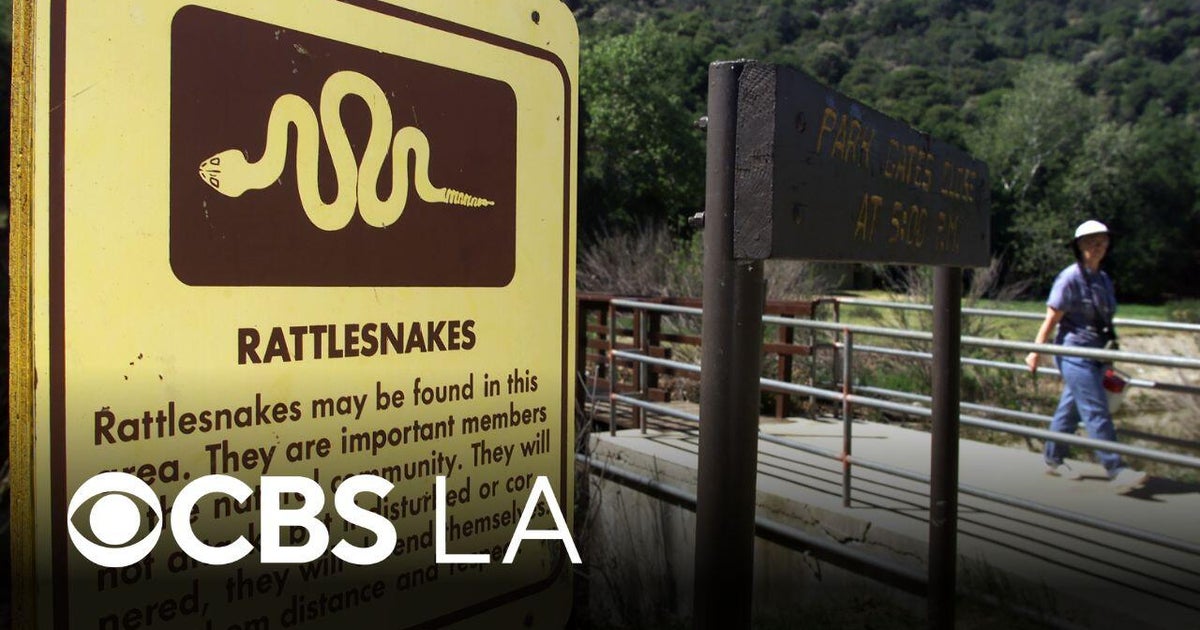
Early Start to Rattlesnake Season in Southern California Due to Warm Weather
As Southern California experiences an unseasonably warm spell, rattlesnake season is officially upon us, arriving earlier than usual. With temperatures rising, it’s crucial for residents and outdoor enthusiasts to stay informed about these reptiles and how to safely coexist with them.
Understanding Rattlesnakes
Rattlesnakes, a common sight in the region, usually become more active during the spring as they emerge from hibernation. This year, the warmer temperatures have prompted them to emerge earlier. Rattlesnakes are known for their distinctive rattle, which serves as a warning sign to potential threats. These snakes play a vital role in the ecosystem by controlling rodent populations.
The Impact of Climate on Rattlesnake Behavior
The fluctuation in temperature significantly influences rattlesnake behavior. As temperatures soar, these snakes seek out warmth, which often leads them closer to residential areas. This proximity increases the chances of human encounters, necessitating awareness and caution.
Safety Tips for Outdoor Activities
If you are hiking, biking, or engaging in any outdoor activities in rattlesnake territory, it’s essential to follow these safety tips:
- Stay on the Trails: Keeping to marked paths reduces the likelihood of snake encounters.
- Watch Your Step: Be vigilant when walking, especially near rocks, shrubs, or tall grass where snakes may be hiding.
- Use Sturdy Footwear: Wearing boots can provide an extra layer of protection.
- Keep Dogs Leashed: Pets can provoke snakes, so it’s best to keep them at your side.
Signs of Rattlesnake Activity
Knowing the signs of rattlesnake activity can help you stay safe:
- Rattling Sound: If you hear a rattling sound, stop and carefully assess your surroundings.
- Motion: Rattlesnakes are primarily nocturnal, becoming more active during evenings. Keep this in mind for evening hikes.
- Shed Skin: If you find rattlesnake skin in the wilderness, it indicates local snake activity.
Responding to a Snake Encounter
In the unlikely event of a rattlesnake encounter, remember to:
- Avoid Sudden Movements: Stay calm and back away slowly.
- Do Not Attempt to Handle the Snake: This can provoke a defensive response.
- Seek Medical Attention if Bitten: A rattlesnake bite is a medical emergency that requires immediate care.
Conclusion
With Southern California’s warm weather signaling an early start to rattlesnake season, awareness and preparedness are key. By understanding rattlesnake behavior and taking necessary precautions, individuals can enjoy the outdoors safely. For more information on rattlesnakes and safety, check out resources from California’s Department of Fish and Wildlife and the Centers for Disease Control and Prevention.
Stay safe and respect wildlife as you explore the beautiful landscapes of Southern California this season!
