

California’s Business Model: A Deep Dive into Allegations of Fraud
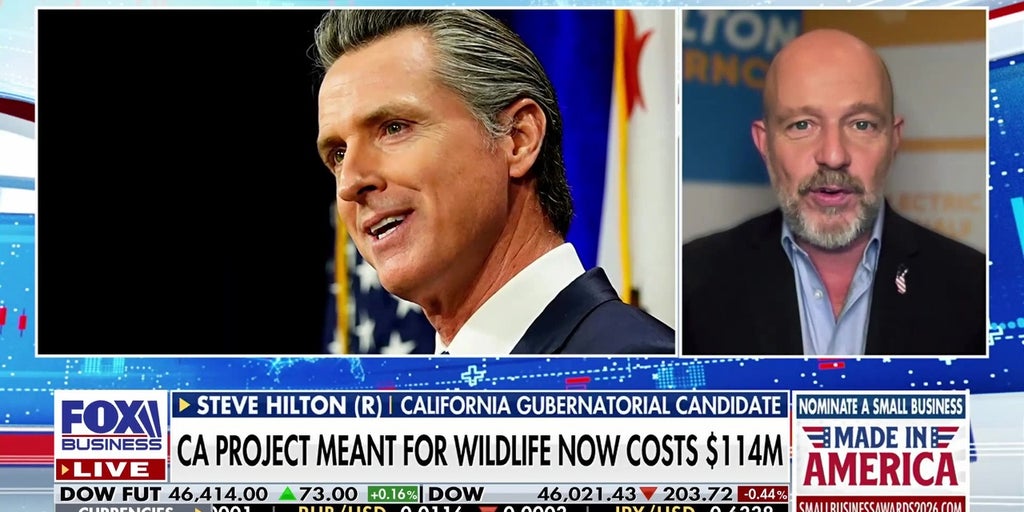
In recent discussions surrounding California’s economic strategies, concerns have arisen regarding the integrity of its business practices. Notable commentator Steve Hilton has spotlighted the notion that many elements of California’s business model may hinge on fraudulent activities. This article explores these claims and their implications for the state’s economy.
The Allegations of Systematic Fraud
Hilton’s assertion underscores a troubling narrative that suggests California’s economy is not built on innovation and fair competition, but rather on processes that favor deceitful practices. He argues that this environment creates a significant barrier for honest businesses trying to thrive in the state.
One of the primary examples cited is the convoluted regulatory framework California has established. Critics argue that these regulations often enable fraudulent activities by creating loopholes that some businesses exploit. For more insights on regulatory impacts, consider exploring California’s state regulations.
The Impact of Regulatory Loopholes
The intricate web of policies in California can lead to confusion and, in some cases, exploitation. Businesses may find themselves tempted to engage in fraudulent practices as they navigate this complex system. Hilton highlights that instead of promoting fair competition, such frameworks may inadvertently encourage unethical behavior.
A clear understanding of how regulatory frameworks can create business hurdles can be further explored in this detailed analysis of regulatory effects.
Accountability and Transparency Issues
Another angle of Hilton’s argument focuses on accountability within California’s business environment. He posits that the lack of stringent oversight has allowed certain organizations to operate without the necessary transparency. This is particularly concerning in sectors with high stakes, such as technology and real estate.
The Role of Oversight Bodies
Oversight bodies play a crucial role in maintaining the integrity of business practices. In California, there have been calls for enhanced scrutiny to combat fraud effectively. Understanding the role of various oversight organizations is essential for grasping the breadth of the problem. For more information, you can review the operations of California’s Department of Financial Protection and Innovation.
The Ripple Effects on Honest Businesses
As fraudulent practices seep into the business fabric of California, the consequences extend far beyond deceitful entities. Honest businesses often find themselves at a disadvantage, struggling to compete against those willing to cut corners. This unfair landscape not only stifles innovation but also undermines consumer trust in the marketplace.
Economic Consequences of Fraud
The long-term economic implications of widespread fraud can be devastating. A robust analysis reveals that when fraud runs rampant, it can lead to loss of jobs, reduced investments, and a general decline in economic health. To grasp the wider economic repercussions of fraudulent business practices, refer to this examination of fraud’s economic impact.
Conclusion: A Call for Reform
Hilton’s claims regarding California’s business model raise critical questions about the sustainability and ethical grounding of its economic practices. Without proactive measures aimed at reforming regulatory frameworks and enhancing transparency, California risks perpetuating a cycle that favors fraudulent behavior over genuine entrepreneurship.
The Path Forward
To foster a more equitable business environment, stakeholders must collectively advocate for changes that prioritize accountability and ethical practices. Addressing these challenges head-on could pave the way for a healthier economic landscape in California, benefiting all businesses and consumers alike.
For further exploration of California’s regulatory environment and its economic implications, visit California’s official state website for the latest information and updates.
