

Examination of Conditions in Los Angeles County Jails Following In-Custody Deaths
Sheriff Robert Luna has formally requested the National Institute of Corrections (NIC) to conduct a thorough assessment of the conditions within Los Angeles County jails. This decision comes in response to a troubling spike in inmate fatalities, with 10 deaths reported in less than three months.
Current Concerns Over Jail Conditions
The call for examination echoes rising apprehension regarding the state of county lockups. In September, California Attorney General Rob Bonta filed a lawsuit against the Sheriff’s Department, highlighting what he described as “unsafe and unconstitutional conditions” in the jails. These allegations specifically address concerns regarding healthcare access and inadequate living conditions, featuring unsanitary environments.
Sheriff Luna has faced mounting inquiries from the Sheriff Civilian Oversight Commission, delving into health challenges, substance abuse, and factors contributing to the unfortunate incidents of in-custody deaths. In an effort to confront these challenges, he has reached out to the NIC, emphasizing the need for an exhaustive review of current practices.
Objective of the National Institute of Corrections Review
Sheriff Luna expressed his intent for a comprehensive evaluation. “I want someone to come in and review from top to bottom,” he stated. The NIC’s review will include an in-depth examination of existing procedures and policies to ensure they align with national standards and evidence-based practices.
According to the Sheriff’s Department, the review aims to identify operational gaps, systemic issues, and areas for improvement, particularly in prevention and post-incident review processes. The goal is to obtain an external, unbiased perspective on the conditions within the jail system.
Response from the National Institute of Corrections
Officials from the NIC have referred inquiries to the Federal Bureau of Prisons, which has yet to provide a response. The NIC’s mandate includes offering technical assistance to jail administrators and pinpointing discrepancies in policies and practices.
Inmate Deaths Under Scrutiny
In recent years, the rising number of in-custody deaths has raised alarms among law enforcement officials. In 2025, there were 46 reported deaths, a significant rise from 32 in the previous year. During the first 48 hours following an inmate’s death, a variety of agencies—including the Sheriff’s Department, Correctional Health Services, and the U.S. Department of Justice—conduct evaluations to investigate the circumstances surrounding the incident.
Attorney General Bonta’s lawsuit highlighted critical deficiencies, alleging that inmates were forced to live in “filthy cells” with broken facilities and even infestations. He stated that the lack of access to healthcare within the jails has resulted in a “shocking rate of preventable in-custody deaths,” including suicides.
Challenges in Reducing Inmate Deaths
Sheriff Luna describes the recent wave of deaths as a “kick in the groin,” recognizing the complexity of the situation. He pointed out that the aging and ill inmate population has contributed to the dilemma, with approximately 82% of inmates reporting at least one medical or mental health issue upon booking. Data reveals that half of the inmate deaths recorded in 2025 were categorized as natural causes, though autopsy results are still pending.
Efforts and Improvements Made
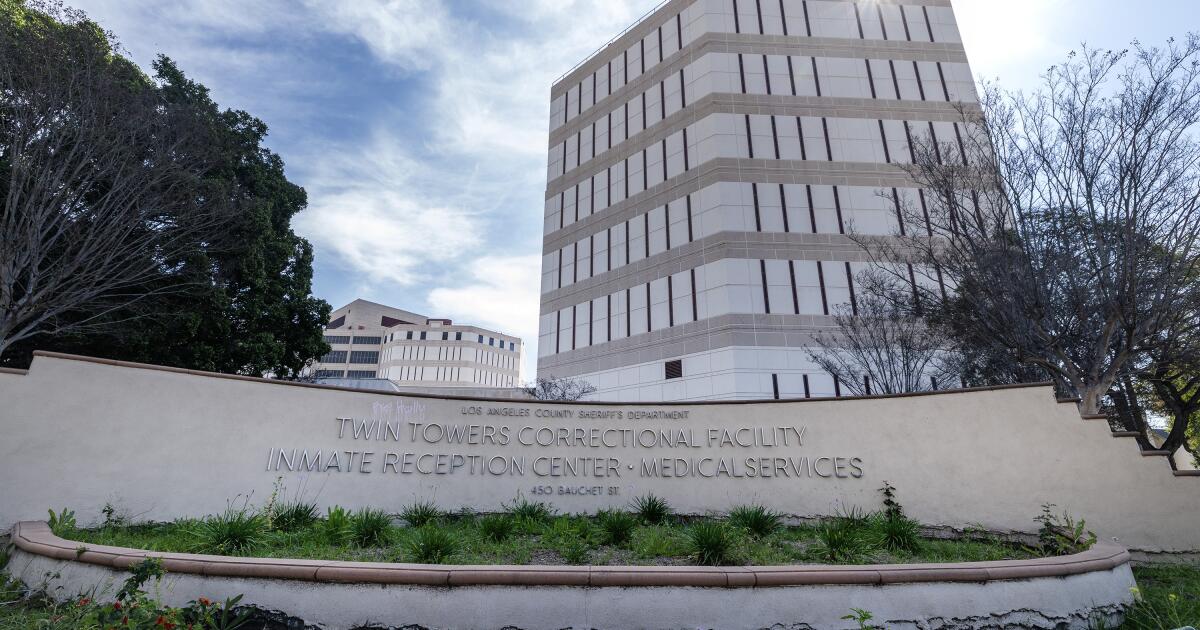
In response to the surge in inmate deaths, Sheriff Luna has indicated that several changes are already underway to improve conditions. These include the implementation of body-worn cameras at key facilities such as the Inmate Reception Center, Men’s Central Jail, and Twin Towers Correctional Facility. Additionally, a remodeled mental health assessment area has been established at the Inmate Reception Center, enhancing services for the mental health needs of incoming inmates.
Looking Ahead
The comprehensive review by the National Institute of Corrections is anticipated to bring essential insights and recommendations to improve the situation within Los Angeles County jails. As the Sheriff’s Department works to address these pressing issues, ongoing cooperation with state and national agencies will be crucial in fostering safe and humane conditions for those in custody.
For more on health and safety standards in correctional facilities, visit the National Institute of Corrections website.
