

Attorneys General Challenge Nexstar-Tegna Merger Amid Antitrust Concerns
Overview of the Nexstar-Tegna Merger
California, New York, and six other states’ attorneys general have filed an emergency motion seeking to block the recently approved merger between Nexstar and Tegna, valued at $6.2 billion. The Federal Communications Commission (FCC) granted approval on Thursday, but this coalition argues the merger is illegal and detrimental to competition.
Legal Opposition
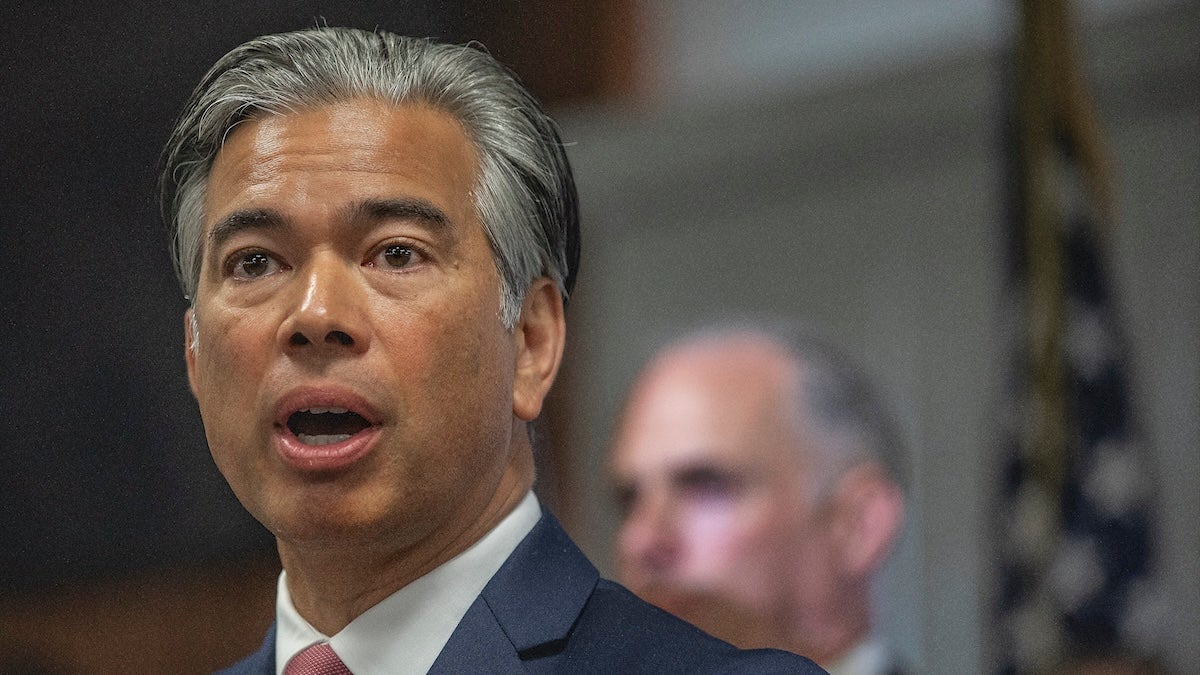
California Attorney General Rob Bonta has been vocal against the merger, branding it “illegal” and previously filing a lawsuit before the FCC’s decision. The emergency motion filed on Friday in Sacramento calls for a temporary restraining order to prevent the two companies from integrating while the lawsuits are pending. He stated, “This merger runs contrary to federal antitrust laws that protect consumers. I will not let these corporate behemoths merge without a fight.”
The states involved in the lawsuit include Colorado, Connecticut, Illinois, New York, North Carolina, Oregon, and Virginia. They claim that the merger, if allowed to proceed, would severely reduce competition and lessen oversight, leading to unfavorable consequences for consumers and local markets.
Implications of the Merger
Upon completion of the deal, Nexstar would oversee approximately 265 television stations across 44 states and the District of Columbia, impacting about 80% of U.S. television households. This merger would also enhance Nexstar’s influence in major markets, including Phoenix and Atlanta, where it would gain Big-4 affiliate stations.
FCC Chairman Brendan Carr mentioned that the commission’s decision aimed to empower broadcasting stations to support local journalism. However, the attorneys general have countered that this approval reflects a troubling trend to prioritize corporate interests over consumer wellbeing.
Accelerated Approvals Raise Concerns
The swift passage of regulatory approvals has alarmed the coalition of states. The groups noted that the Justice Department concluded its investigation before the statutory waiting period expired, and the FCC approval came in less than four months—a speed that has raised questions about the thoroughness of the reviews conducted.
In their motion, the attorneys general noted, “The defendants’ decision to close despite multiple pending lawsuits raises the troubling specter that they may be barreling forward with this transaction to frustrate effective judicial review.”
Broader Industry Reactions
Alongside state attorneys general, other industry players are expressing concerns. DirecTV has taken legal action, describing the merger as an unprecedented concentration of broadcast media, warning it could lead to increased consumer costs and reduced local journalism.
Conclusion
As the legal battle over the Nexstar-Tegna merger unfolds, it highlights significant concerns surrounding media consolidation and its implications for competition and consumer choice in the broadcasting sector. The outcome of this emergency motion could set a critical precedent in how future media mergers are evaluated and challenged.
For more details about the merger and its consequences, you can explore further on industry news sources like TheWrap.
