

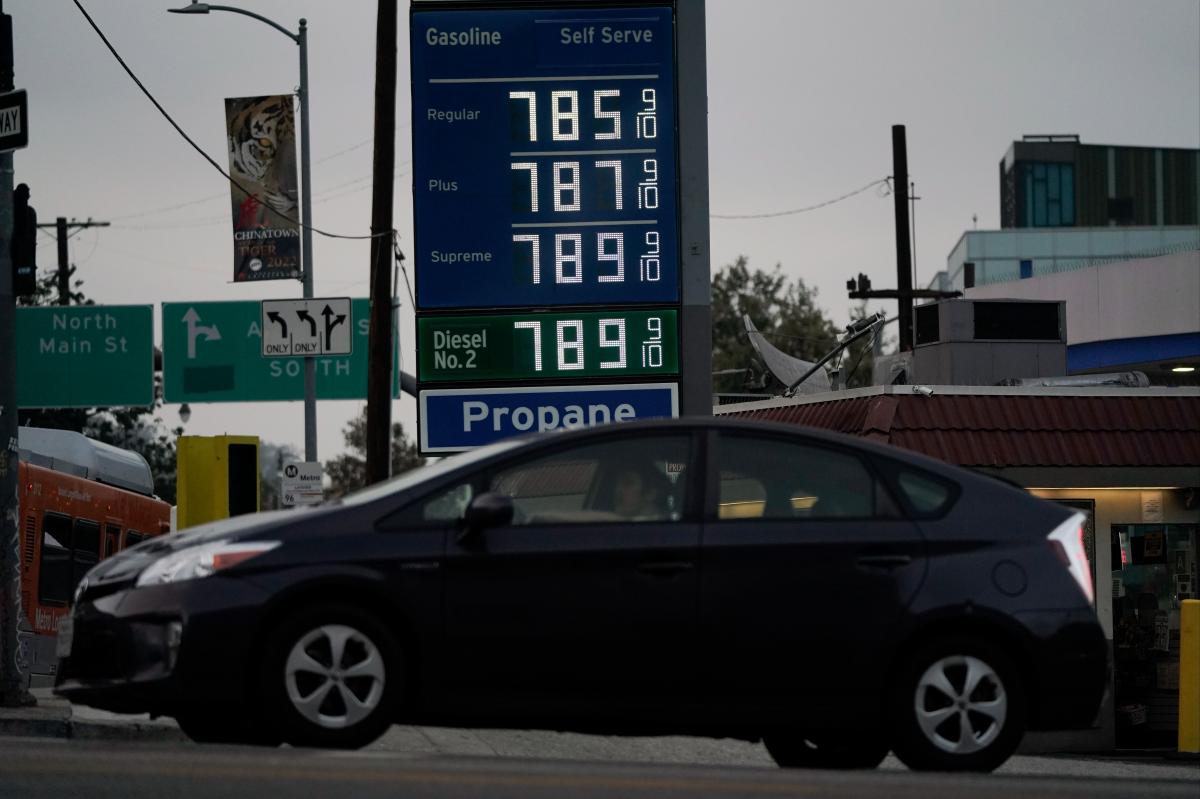
California Gas Prices: A Deep Dive into Price Gouging Claims
The California Energy Commission has recently initiated a probe into alleged price gouging by gas stations, amid soaring fuel prices across the state. However, this term has become a recurrent theme in discussions surrounding high gas costs in California, often cited by state officials, including Governor Gavin Newsom.
Historical Context of Price Gouging Accusations
In 2022, Newsom convened a special legislative session to tackle the issue of skyrocketing gas prices, attributing the surge to price gouging. Despite these claims, the state legislature opted not to reduce the gas tax or suspend the state’s “Cap-and-Trade” climate initiatives—now referred to as “Cap-and-Invest.” Instead, lawmakers introduced a new penalty aimed at windfall profits from oil companies. However, due to concerns raised by these companies regarding the high operational costs of California refineries, the state suspended this penalty for five years.
Legislative Measures and Market Dynamics
In 2024, the governor held another legislative session to enforce regulations compelling refineries to maintain extra fuel reserves in anticipation of global market fluctuations. Newsom accused the oil industry of misrepresenting price increases, despite a lack of substantiated evidence. Yet, labeling these price spikes purely as price gouging seems overly simplistic.
While variations in fuel prices among gas stations are common, particularly during periods of high oil prices, the dynamics of California’s market play a crucial role. Limited competition often leads to higher prices; however, sensible drivers typically seek out the most affordable options.
Understanding Market Forces in Fuel Prices
Fuel prices fluctuate due to numerous factors, including heightened demand, geopolitical tensions, and state-imposed taxes and regulations. For instance, California’s stringent environmental regulations and reduced investments in drilling have complicitly driven prices upward. While some gas stations might seem overpriced—like those in strategic locations or offering premium services—the overarching issue lies in supply and demand fundamentals.
Indeed, California possesses ample oil and gas resources, but political resistance to both offshore and onshore drilling has contributed to the current crisis. Tax increases and new regulations further exacerbate the situation, resulting in higher fuel prices for consumers.
Real Causes Behind High Fuel Costs
As geopolitical conflicts, like the war in Iran, push global gas prices upward, California drivers have consistently experienced rates significantly above the national average. It’s crucial for policymakers to shift their focus away from scapegoating and instead address the systemic issues causing these steep prices.
The real price gouging occurs not at the gas pumps, but within state regulations and rising vehicle registration fees, significantly impacting California residents. By prioritizing effective solutions over blame, California can begin to navigate the complexities behind its fuel pricing issues.
Conclusion
The ongoing investigation into price gouging can serve as a starting point for a much-needed examination of the true drivers behind California’s exorbitant gas prices. By engaging in meaningful dialogue around market regulations and exploring possible reforms, the state has the potential to alleviate the burden on its consumers.
For more insights into California’s energy policies and gas pricing trends, visit California Energy Commission and stay informed on this critical issue.
