

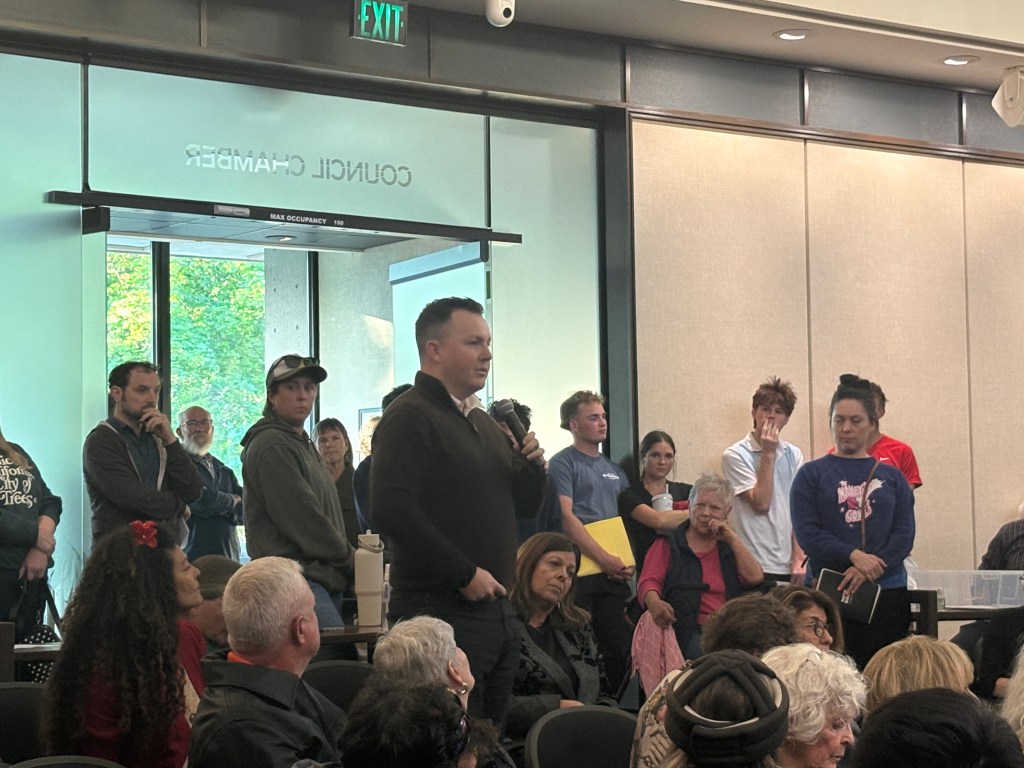
Community Voices Shape Local Traffic Project: A Public Forum on Main Street and Broadway
Introduction to the Local Traffic Project
A recent public forum gathered approximately 100 community members to discuss a significant traffic project affecting Main Street and Broadway. Attendees voiced their opinions on the proposed modifications, focusing on the contentious shift from three lanes to two lanes and the introduction of dedicated bike lanes.
Key Issues Discussed
Transition from Three Lanes to Two Lanes
The most debated topic during the forum was the plan to reduce the number of traffic lanes on Main Street and Broadway. Proponents argue that narrowing the lanes can enhance pedestrian safety and improve traffic flow. By encouraging slower speeds, they believe that the change will create a more walkable environment, benefiting local businesses and community interaction.
However, critics raised concerns about the potential for increased traffic congestion. Many voiced worries that reducing lanes could lead to longer commute times and frustration for drivers. The need for adequate traffic studies was emphasized to evaluate the potential impacts thoroughly.
The Addition of Bike Lanes
Another significant aspect of the discussion was the planned installation of bike lanes. Advocates for cycling infrastructure highlight the benefits of promoting eco-friendly transportation methods and improving safety for cyclists. The addition of bike lanes can also encourage more individuals to consider biking as a viable commute option, thus reducing reliance on cars.
Conversely, opponents questioned the practicality of bike lanes, especially in areas with heavy traffic. They argued that some intersections might not effectively accommodate both cyclists and vehicles, raising concerns about collisions and safety.
Community Feedback and Engagement
The forum showcased a variety of opinions from community members, reflecting a healthy democratic process. Those in favor of the project noted the importance of modernizing transportation infrastructure in light of growing urban populations. They shared studies supporting the notion that such changes can lead to decreased vehicle emissions and improved public health.
On the other hand, those against the options presented urged city planners to prioritize thorough research and community impact assessments before implementing any changes. They called for an inclusive approach that considers the needs of all road users.
Next Steps for the Project
Moving forward, the city planners are tasked with collecting and analyzing the feedback gathered at the forum. Further studies will be conducted to assess the proposed lane reductions and bike lane additions’ potential impact on traffic patterns. Community engagement remains a priority, as public input will guide the decision-making process.
Conclusion
The ongoing dialogue surrounding the traffic project on Main Street and Broadway reflects the community’s commitment to crafting a safer and more sustainable urban environment. By balancing the needs of drivers, pedestrians, and cyclists, the city aims to create a comprehensive and inclusive transportation plan.
For those interested in understanding the intricacies of urban planning, you can find more information on similar projects through resources like Smart Growth America and The League of American Bicyclists.
Further Reading
- Urban Traffic Management: Understanding modern solutions for urban traffic challenges.
- The Benefits of Pedestrian and Cyclist Safety: Exploring why safe pathways for non-motorized transportation are crucial.
- The Importance of Community Engagement in Urban Planning: Learn how communities can effectively contribute to local governance.
This valuable feedback and data-driven approach will ultimately shape the future of transportation in the community, ensuring it caters to everyone’s needs.
