

Concerns Grow Over Parole Recommendations for Sexual Predators in California
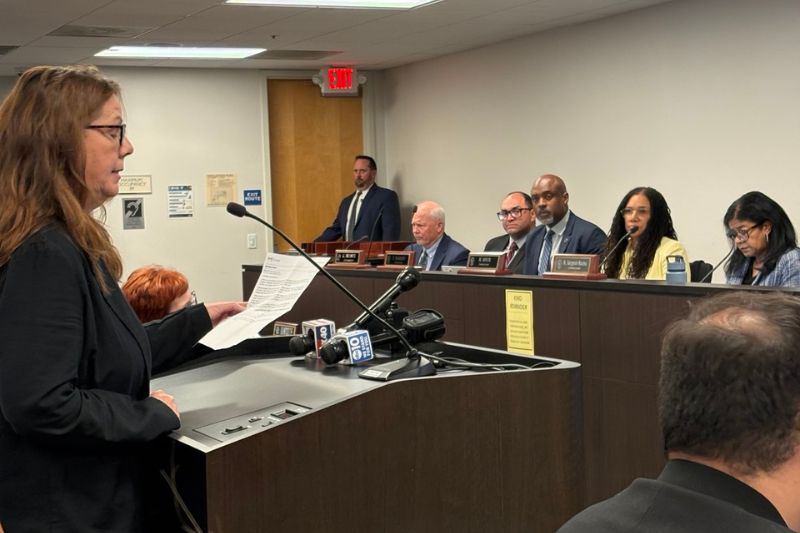
On March 18, a parole board hearing stirred strong public sentiment as it evaluated the cases of several offenders, including notorious figures in the realm of child sexual offenses. Recently, the California Board of Parole Hearings recommended the release of two high-profile serial sex offenders, David Funston and Gregory Vogelsang, leading to widespread outrage among community members and advocates for child safety.
Historical Context of the Offenders
David Funston: The Face of Parental Fear
David Funston’s criminal record is particularly alarming. In 1999, he was convicted of 16 counts of child molestation and kidnapping, having preyed upon multiple young victims throughout the Sacramento region. His sentence included 20 years in prison and three consecutive life terms, with the judge famously labeling him as “the monster parents feared the most.”
Gregory Vogelsang: Crimes Against Innocence
Similarly, Gregory Vogelsang faced justice that same year for sexually assaulting at least five young boys in Citrus Heights, including a victim as young as three years old. Vogelsang received a staggering sentence of 355 years to life, underscoring the gravity of his crimes. Like Funston, he was seen as someone who should never re-enter society.
Legislative Changes Impacting Public Safety
Surprisingly, changes in California legislation have granted sexual predators potential pathways to freedom. In 2017, AB 1448 established the Elderly Parole Program, allowing inmates over 60 to be considered for release after serving just 25 years. By 2020, Governor Gavin Newsom signed AB 3234, which lowered eligibility to inmates over 50 and reduced the required time served to just 20 years. These laws have incited criticism, as many believe they prioritize the interests of offenders over the safety of the community.
Community Response and Legal Actions
Thanks to swift action from the Placer County District Attorney, Funston was retained after his release due to new charges related to a 1996 sexual assault on a child in Roseville. Similarly, public opposition played a critical role in delaying Vogelsang’s parole, showcasing the power of community engagement in safeguarding children from potential harm.
A Call for Policy Reform
In light of these incidents, calls for reform have resonated throughout the state. Critics argue that the California Legislative Assembly, including Governor Newsom, must be held accountable for creating laws that have potentially endangered families.
Proposed changes aim to restore stricter regulations on parole eligibility, particularly concerning violent felons and sex offenders. Legislative efforts include granting the governor the authority to deny parole in violent felony cases—a power currently reserved for murder cases alone.
In collaboration with other lawmakers, there is also a push to exclude child sex offenses from the Elderly Parole Program entirely.
Accountability for the Parole Board
In addition to legislative changes, accountability measures directed at the Parole Board are being emphasized. Members who voted in favor of releasing Funston and Vogelsang are being urged to face removal, especially considering Funston’s own admission of persistent attraction to minors.
The Urgent Need for Public Safety Improvement
Maintaining a safe environment for children to thrive is paramount for California communities. The recent parole decisions have reignited discussions around the legislative approach to public safety, prompting citizens to seek immediate action from lawmakers.
Every child in California should be able to play in local parks or walk to school without fear. The current political climate demands attention to the oversights and policy failures that threaten the safety of families across the state.
For more information on legislative developments in California, visit California Legislative Information.
