

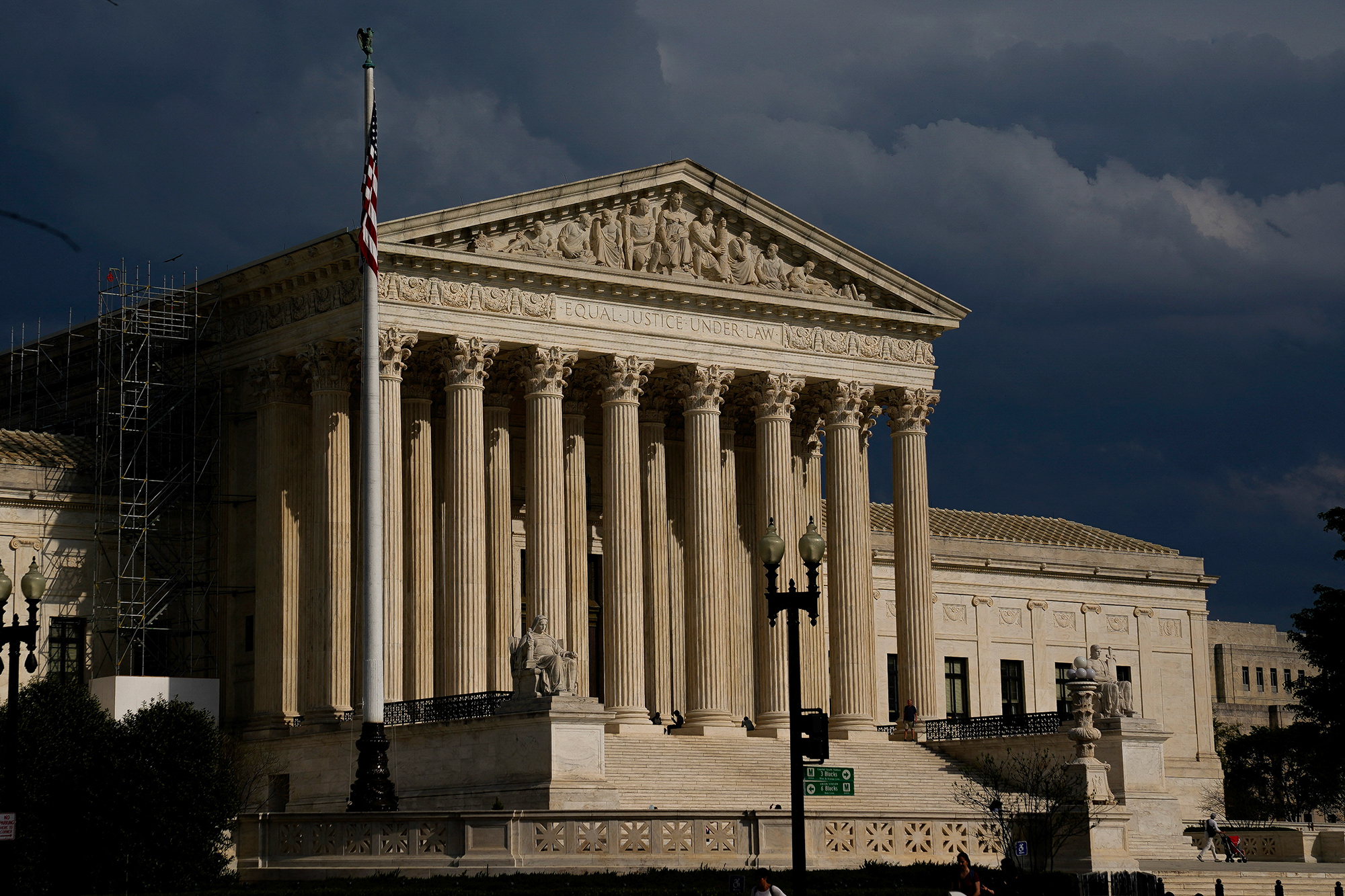
The Looming Supreme Court Decision on Birthright Citizenship
On April 1, the U.S. Supreme Court will deliberate on a pivotal question: Does the 14th Amendment guarantee birthright citizenship for children born in the U.S. to undocumented immigrants? The debate centers on the original intent of the Constitution and its relevance today.
Understanding the 14th Amendment
The 14th Amendment’s citizenship clause states: “All persons born or naturalized in the United States, and subject to the jurisdiction thereof, are citizens of the United States and of the State wherein they reside.” This constitutional protection has historically been interpreted to include individuals born in the U.S., regardless of their parents’ immigration status.
Historical Context from California
To grasp the original public meaning behind the 14th Amendment, we can look back to California’s 1867 election. During that time, controversies surrounding citizenship, especially regarding immigrants, dominated political discourse. The exclusionary sentiments towards groups like the Chinese were pronounced, revealing much about the perceptions of citizenship in the era.
In a notable 1866 Congressional debate, Pennsylvania Senator Edgar Cowan voiced concerns about various immigrant groups, including “Gypsies” and the so-called “Mongol race.” He sought to amend the 14th Amendment to exclude these groups from citizenship. However, fellow Californian Senator John Conness advocated for universal birthright citizenship, asserting that all children born in California ought to be entitled to citizenship, regardless of their parents’ backgrounds.
Rising Hostility Toward Immigrants
In California, hostility toward Chinese immigrants escalated. Gubernatorial candidate Henry Haight campaigned on an anti-Reconstruction and anti-Chinese platform during the 1867 election, noting that granting birthright citizenship would lead to a perceived degradation of rights for white citizens. His political strategy capitalized on widespread fears surrounding immigration and citizenship.
Haight’s rhetoric echoed sentiments of racial superiority, suggesting that the Chinese population was inherently inferior. His acceptance speech primarily focused on the 14th Amendment and its implications, showcasing how deeply embedded the citizenship debate was in the political landscape.
Legislative and Judicial Responses
The original intent of the 14th Amendment faced challenges in the ensuing decades, particularly as anti-Chinese sentiments grew. California instituted severe restrictions on Chinese immigrants, including barring them from land ownership and court testimony. This attitude crystallized with the passage of the 1882 federal Chinese Exclusion Act, which halted Chinese immigration until 1943.
Despite these exclusions, the principle of birthright citizenship persisted. The case of Wong Kim Ark in the late 19th century tested this principle when Wong, born in San Francisco to Chinese parents, was detained upon returning from a trip to China. The government argued that Wong was not a citizen because his parents owed allegiance to China. However, the Supreme Court ultimately ruled in favor of Wong, affirming that he was a natural-born citizen as defined by the Constitution.
The Current Debate
As the Supreme Court prepares to revisit the question of birthright citizenship, the original text and historical debates surrounding the 14th Amendment still resonate. The arguments presented by Cowan and Conness during the amendment’s inception remain pivotal to contemporary discussions about immigration policy and citizenship rights.
Conclusion: The Future of Birthright Citizenship
The upcoming decision by the Supreme Court could have profound implications for U.S. immigration policy and the interpretation of citizenship. With the historical context provided by events in California during the 19th century, the path forward remains as contentious as ever. The stakes are high, as both immigrants and advocates of citizenship wait to see if the principles established over a century ago will endure.
For further exploration of the ongoing debate regarding birthright citizenship, visit CalMatters.
