

San Francisco’s Homeless Services Begin to Face Legal Scrutiny
Background on San Francisco’s Homelessness Crisis
San Francisco has long grappled with a significant homelessness crisis, particularly concentrated in the Tenderloin and South of Market (SoMa) neighborhoods. These areas are often depicted in dire social media posts showcasing encampments, mental health crises, and unsanitary conditions. Alarmingly, these two neighborhoods account for nearly 60% of the city’s homeless shelters and transitional housing facilities.
Local Voices Demand Change
Residents and business owners in these neighborhoods have repeatedly expressed their dissatisfaction with the existing conditions. Supervisor Bilal Mahmood introduced a new ordinance aimed at distributing homelessness and mental health services across various neighborhoods, targeting affluent areas that have fewer services. This law, enacted in January, prioritizes funding shelters in neighborhoods where the homeless population outnumbers available beds and necessitates additional scrutiny before establishing new shelters in the Tenderloin and SoMa.
However, not everyone believes that these measures go far enough.
SOMA West Neighborhood Association Takes Action
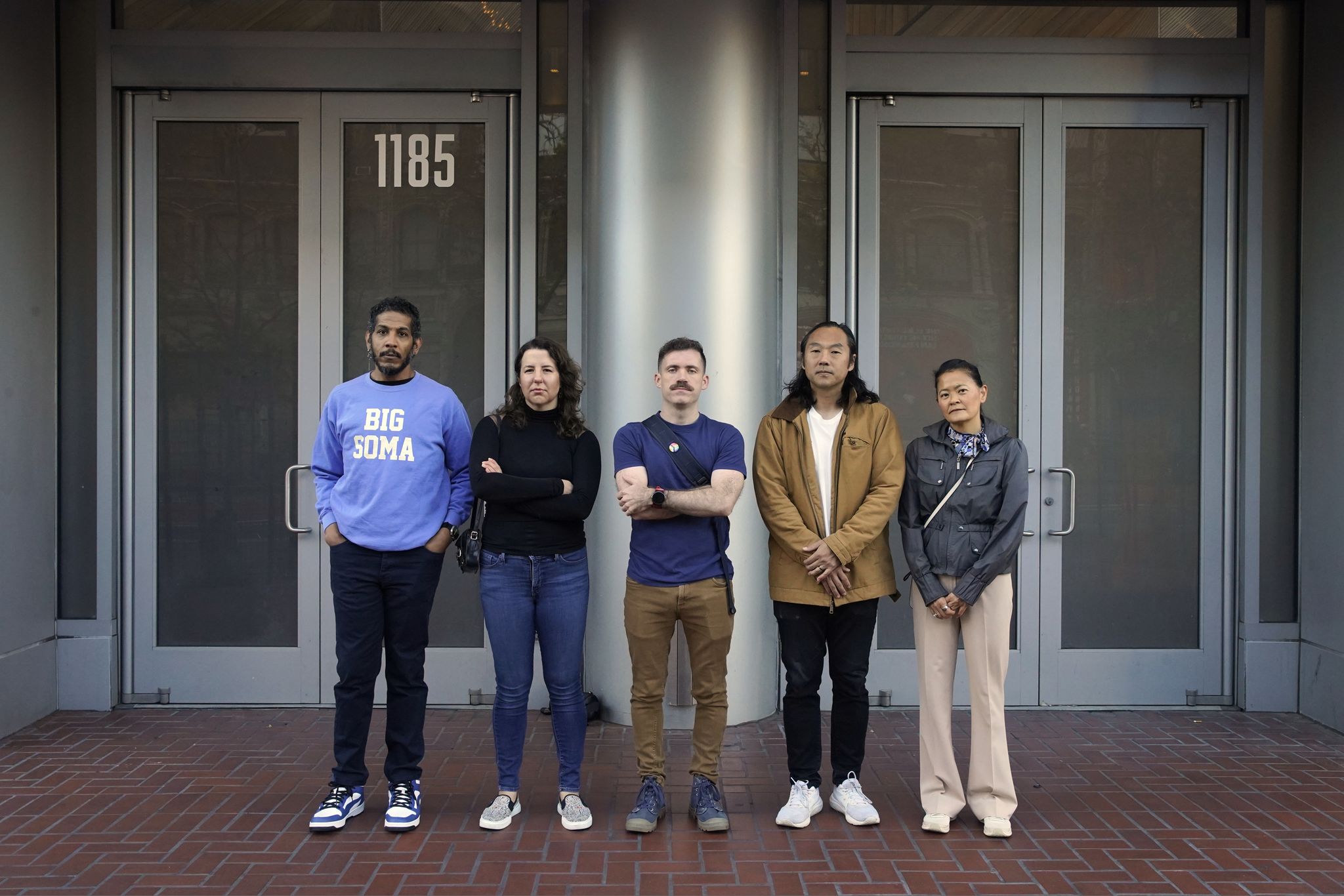
Recently, the SOMA West Neighborhood Association has taken the initiative to address what they call a “deliberate, legislated containment strategy” that has fostered a “segregated impact zone” in SoMa. Their formal complaint to state authorities alleges that this situation reflects an intentional policy choice aimed at the hyper-concentration of poverty in the area. The complaint highlights not only the excessive provision of homelessness and mental health services but also a troubling lack of public sanitation, green spaces, and other essential community resources.
Proposed Remedies
The residents are calling for the state’s Department of Housing and Community Development to decertify the city’s current housing plan, which aims to accommodate 82,000 new homes by 2031. They advocate for the unleashing of a “builder’s remedy,” enabling developers to bypass certain local zoning rules as long as their projects include affordable housing.
The SOMA West Neighborhood Association is also urging the Office of the Attorney General’s Housing Justice Team to impose civil penalties on the city for what they describe as “arbitrary, capricious, and exclusionary” practices.
Perspectives from Local Leaders and Community Members
Shaun Aukland, a member of the SOMA West Neighborhood Association, emphasizes the desire for economic revival and an influx of new residents to the neighborhood. “We want more people to come live in our neighborhood,” Aukland states.
Despite calls for support from the city, many residents remain skeptical. Lara Hashimoto, who has lived in SoMa for over 17 years, reports distressing experiences, including harassment and unsafe conditions. She questions the city’s commitment to improving life in the area, which she believes is becoming increasingly difficult due to the concentration of services.
The Legal Angle and Sustainability of Community Plans
The complaint asserts that this concentration of services violates California’s law requiring local governments to “affirmatively further fair housing”. The challenge lies in whether the state will take action against San Francisco’s housing plans.
Experts like Chris Elmendorf from UC Davis suggest that while the state may reject the decertification plea based on broad fair housing laws, it might scrutinize the complaint’s allegations against zoning exemptions for SoMa neighborhoods.
City Hall’s Response
San Francisco planners, including Dan Sider from the Planning Department, defend existing zoning policies aimed at preserving the city’s industrial base while accommodating affordable housing. The city asserts that these zoning strategies resulted from community planning efforts.
Mayor Daniel Lurie acknowledges the diminished tent encampments but recognizes the ongoing challenges still faced by residents. Similarly, Supervisor Matt Dorsey emphasized the city’s moral obligation to improve conditions in SoMa, noting recent prioritization of drug-free shelter initiatives.
Future Implications
As discussions continue, community leaders hope this complaint will catalyze significant changes to benefit residents who have endured the consequences of systemic issues for far too long. The potential ramifications of these legal actions could reshape how San Francisco approaches its homelessness services and urban planning.
Conclusion
The plight of communities like SoMa raises critical questions about social equity and community health as they grapple with the challenges of concentrated poverty and the allocation of city resources. Continued dialogue and legal scrutiny may pave the way for a more equitable distribution of services and ultimately a better quality of life for all San Franciscans.
For more information about San Francisco’s reach into homelessness issues, visit the City of San Francisco official website or learn more about California’s Housing Justice Team.
