

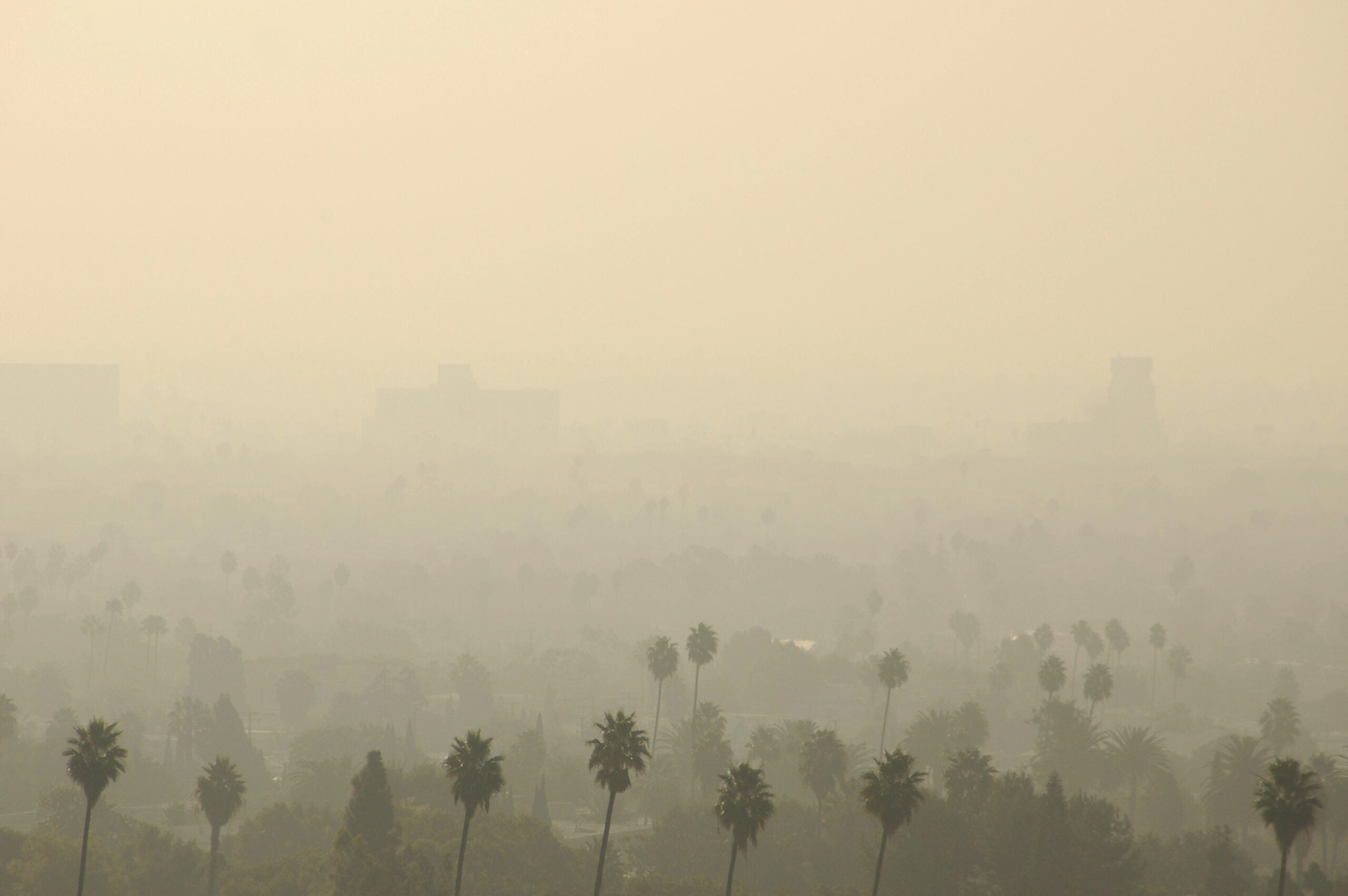
California Air Quality Crisis: Governor Newsom’s Veto of SB 34
Update: On October 13, Governor Newsom made a pivotal decision by vetoing SB 34, marking a significant victory for clean air initiatives in California. Learn more about the implications of the governor’s veto here.
The Growing Air Pollution Challenge in California
California is grappling with serious air quality challenges, exacerbated by recent wildfires, regulatory rollbacks from the federal government, and significant changes in legislation. The year 2025 has proven to be particularly detrimental, with Los Angeles facing wildfires that inundated the atmosphere with toxic pollutants. Additionally, the Trump administration’s decisions have dramatically weakened federal policies aimed at improving air quality, undermining California’s stringent vehicle standards that promised substantial health benefits worth $45 billion.
Legislative Concerns: The Threat of SB 34
Recently, California legislators have proposed SB 34, a significant threat to progress in clean air regulations, especially for communities near the Ports of Los Angeles and Long Beach. Instead of advancing public health, this legislation could hinder existing air quality protections, sending ripple effects across the state. Citizens have rallied against it, with over 5,000 Californians urging their representatives to vote against this bill, leading to formal opposition from the Bay Area Air District.
The Impact of SB 34
If passed, SB 34 would jeopardize Californians’ health, particularly for those residing in areas with some of the most polluted air nationwide. This legislation would echo the Trump administration’s efforts to undermine California’s clean air authority, significantly delaying necessary regulatory updates meant to combat existing air quality issues.
Contrary to industry claims suggesting air quality regulations are detrimental during fluctuating economic conditions, it’s essential to recognize that these ports are not newly established entities struggling to survive. They manage approximately one-third of all containerized cargo entering the United States and are recognized as the leading source of air pollution in California.
The Future of Air Quality Regulations
Despite a temporary dip in cargo volumes, the Port of Los Angeles experienced its busiest June on record just six months later. The state should not respond to momentary fluctuations by stifling progress toward cleaner air standards for the coming decade.
The motivations behind SB 34 hint at pressure from shipping industry lobbyists who routinely oppose clean air regulations, regardless of economic stability. This creates a concerning trend where industry concerns overshadow public health.
Existing Protections Under Threat
In addition to SB 34, there are troubling discussions about weakening the At-Berth Rule, which mandates ships to utilize clean shore power instead of polluting fuels while docked. Successful implementation of this rule saw 94% of vessels plugging into shore power last year, a testament to its effectiveness in reducing pollutants.
However, with newfound discussions around exempting oil tankers from this rule, it remains unclear whether the maritime industry intends to uphold air quality standards or leverage their influence to diminish existing rules.
Understanding the Pollution Challenge
The fuel used by large container ships, primarily bunker fuel, is derived from the lowest quality remains of oil refining processes. This fuel is particularly harmful, generating significant air pollution that adversely affects the health of nearby residents.
California’s ports, including those in LA and Long Beach, have been investing in shore power technology for over two decades, offering a sustainable alternative to dirty fuel sources. Globally, ports have embraced this technology; allowing shipping companies to evade these essential health standards is dangerously short-sighted.
A Call to Action: Empowering Clean Air Initiatives
It is vital for California’s leadership to reevaluate its approach to air quality, shifting from legislative decisions that hinder progress to initiatives that bolster clean air efforts. Collaboration between air regulatory agencies and lawmakers is crucial to finding solutions that not only mitigate pollution but enhance public health outcomes.
As California faces a rising air quality crisis, caution against aligning with harmful federal policies is paramount. Legislators must stand firm against SB 34 and other regressive initiatives seeking to erode existing clean air standards.
Conclusion: The Path Forward
In facing the ongoing air quality challenges, California must commit to proactive measures rather than allowing industry pressures to dictate health standards. Upholding and enhancing clean air regulations is essential for safeguarding the health and well-being of all Californians, particularly in dense urban areas where pollution levels continue to rise.
Maintaining the integrity of air quality standards will not only benefit California’s present but will also pave the way for a healthier future. It is time for legislators to align with the principles of environmental justice and public health, ensuring that air pollution is effectively managed for generations to come.
For further reading on air quality concerns and initiatives in California, explore resources on Earthjustice.
