

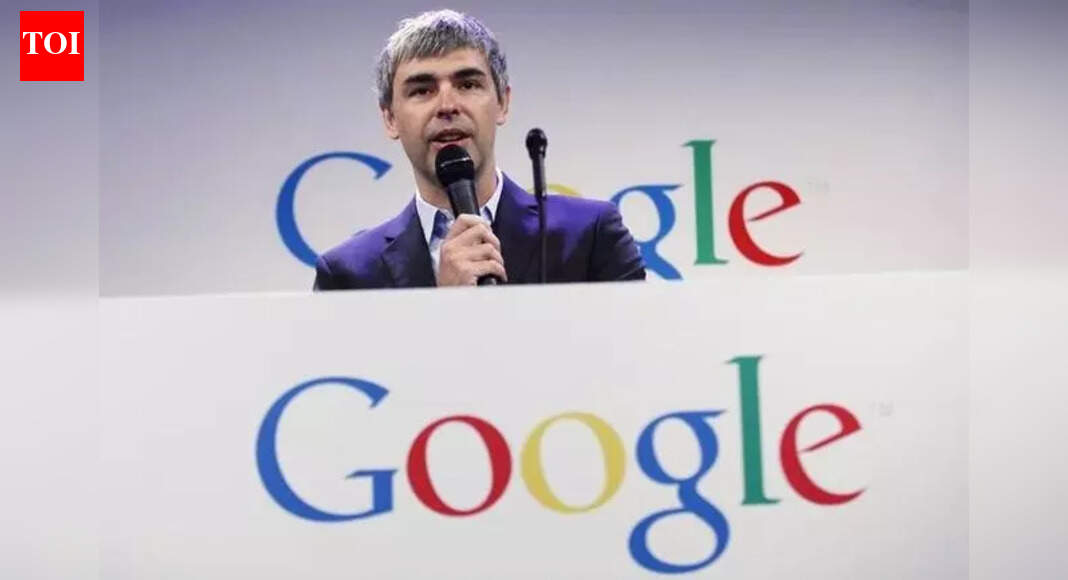
Larry Page’s Major Move: Shifting Business Entities Out of California
Google cofounder Larry Page has made headlines by relocating several key business entities out of California, marking a significant shift in his long-standing relationship with the state. As debates surrounding a proposed wealth tax intensify, Page’s decision highlights a growing trend among tech billionaires seeking more favorable tax environments.
The Wealth Tax Dilemma in California
California is currently considering a controversial ballot measure that could impose a one-time 5% tax on residents with assets over $1 billion. If ratified in November 2026, the measure would apply retroactively to anyone living in California as of January 1, 2026. This potential tax surge could result in a staggering bill exceeding $12 billion for Page alone, who is ranked as one of the wealthiest individuals on the Bloomberg Billionaires Index.
As the clock ticks down to the deadline, Larry Page has taken proactive steps to safeguard his wealth. By late December 2025, he incorporated his family office, Koop, in Delaware, joining other business ventures like Flu Lab LLC, which funds influenza research, and One Aero, his flying car initiative, in moving their principal addresses outside California. A source confirmed that Page has already left California, though his final destination and the permanence of the move remain uncertain.
A Wider Trend: Tech Titans Exiting California
Page isn’t alone in this mass exodus from California. Other tech leaders, including Peter Thiel, have also started moving operations to states with more favorable tax structures. Thiel has opened a Miami office for his investment firm, Thiel Capital, while venture capitalist David Sacks has established a presence in Austin, Texas. These changes reflect a broader trend among the tech elite, driven by rising concerns over state tax policies and privacy issues.
Delaware: A Favorable New Home for Businesses
Delaware has emerged as a go-to destination for wealthy individuals looking for tax and privacy advantages. The state does not require Limited Liability Companies (LLCs) to disclose the names and addresses of directors upon incorporation, offering an added layer of anonymity—a feature that is particularly alluring for billionaires like Page. His family office, managed with utmost confidentiality by CEO Wayne Osborne, underscores the desire for privacy in business dealings.
Alongside these entities, Page also transitioned LLCs previously utilized for purchasing islands in Puerto Rico, the Virgin Islands, and Fiji to Delaware. Additionally, even his wife’s marine conservation charity, Oceankind, made the switch in December, further solidifying the family’s retreat from California.
Implications for California’s Economy
Governor Gavin Newsom has voiced strong opposition to the proposed wealth tax, warning that it could catalyze an exodus among the state’s wealthiest residents. The measure still requires 870,000 signatures to qualify for the November vote, but many billionaires are already taking steps to insulate their wealth and exit the California landscape. The potential repercussions for the state’s economy could be significant, as billions in taxable income may leave the state before any law is even passed.
Conclusion
Larry Page’s strategic relocation of his business entities from California to states like Delaware and Florida serves as a significant barometer of the evolving landscape for tech giants in America. As the proposed wealth tax looms on the horizon, the movement of billionaires to more tax-friendly jurisdictions illustrates the lengths to which the tech elite will go to protect their assets and maintain their financial privacy.
For more on the implications of wealth taxes and the trends among Silicon Valley billionaires, you may refer to The New York Times and Business Insider.
