

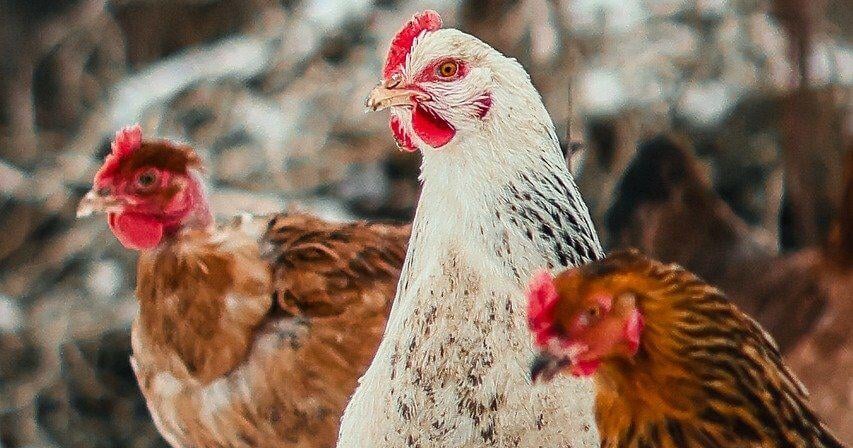
Resurgence of Avian Influenza: California on Alert as Poultry Industry Faces Challenges
The highly contagious avian influenza, which invaded California and devastated the Midwest poultry sector in 2024 and 2025, seems to be resurfacing. The USDA reports an uptick in cases: almost half of the bird flu outbreaks last year occurred in Indiana and Ohio, leading to the loss of approximately 285 commercial bird flocks nationwide.
Recent Outbreaks in California
Though California managed to curb its bird flu cases for a while, October 2025 saw the troubling resurgence of the virus. A recent outbreak in Sonoma County led to the destruction of 231,000 egg-laying hens—an essential step to contain the spread of the virus. The USDA confirmed that multiple farms in California have been affected, including a notable incident in Placer County. As of January 2, 2026, Butte County reported the loss of 34,600 gamebirds, alongside several outbreaks in North Carolina and Kansas.
The Devastation of 2024
A report by UC Davis highlights the extensive damage caused during the 2024 avian influenza outbreak, with California’s poultry industry enduring the loss of around 10.6 million laying hens and an additional 1 million table-egg pullets. The impact was felt beyond just egg layers, affecting meat birds primarily in the Central Valley, leading to a lengthy recovery process for the state’s egg-laying capacity.
Vaccination Efforts and Legislative Support
With migratory birds potentially reintroducing the virus in 2026, industry experts advocate for vaccination in conjunction with enhanced biosecurity measures. A bipartisan group of 23 senators, including John Thune (R-SD) and Amy Klobuchar (D-MN), has urged the White House to support vaccination strategies to combat this persistent threat.
Balancing Act for Farmers
The ongoing concern over avian influenza necessitates a careful approach to boost farmer protection while considering the potential implications for export markets, especially for broiler leg quarters. The need for interventions based on scientific data is critical for maintaining the balance between public health and agricultural economic viability.
Impact on California’s Other Agricultural Sectors
Apart from the poultry sector, California’s dairy industry faced significant challenges due to the bird flu outbreak in 2024, leading to a noticeable decline in milk production. Fortunately, recovery efforts have since stabilized the dairy outputs.
Easing of Fair Restrictions
In a positive development, the California Department of Food and Agriculture (CDFA) announced that it would lift the statewide ban on dairy cattle and poultry exhibitions, effective immediately. This decision comes following comprehensive monitoring of H5N1 trends and enhanced mitigation efforts. The upcoming World Ag Expo in Tulare (February 10-12, 2026) aims to provide a platform for renewed agricultural engagement.
Human Infection Statistics
On the human health front, the CDC reported 26 human infections globally with avian influenza A(H5N1) viruses from January 1 to August 4, 2025. While the majority of these cases were outside the United States, the three reported cases within the country showcased the ongoing threat posed by this virus. Notably, the U.S. has not recorded any new cases since mid-February 2025.
Conclusion
With the avian influenza threat looming large, California’s agriculture sector remains vigilant. Farmers, policymakers, and public health officials must work together to implement effective strategies that protect both livestock and public health, ensuring a resilient agricultural landscape in the face of ongoing challenges.
