

California’s Food Aid Program and Concerns Over Fraud
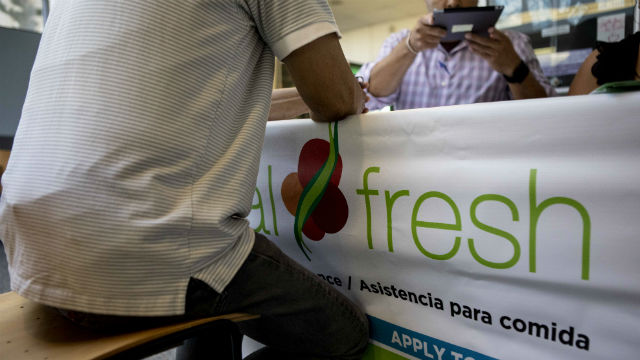
The recent annual report by State Auditor Grant Parks has once again brought attention to several California state programs at risk for inefficiency, fraud, and waste. Among these highlighted programs is the Department of Social Services’ food aid initiative, known as CalFresh, which was previously referred to as food stamps.
Understanding CalFresh and Its Challenges
CalFresh provides essential food assistance to low-income families in California. The program is primarily funded by the federal government, but state management plays a critical role in determining eligibility and overall efficiency. The report reveals that California is struggling with an 11% error rate in assessing eligibility, a figure that could lead to significant financial repercussions. If these errors remain unaddressed, the state could be compelled to spend approximately $2 billion annually to sustain CalFresh benefits.
Technological Shortcomings
One of the primary issues faced by the California administration is its ongoing challenges with information technology. This has hampered effective program management, especially in light of the rapid advancements taking place in the tech industry within the state.
Unemployment Insurance Vulnerabilities
In addition to food assistance, Parks’ report points to critical failures in the management of unemployment insurance benefits, a serious concern that was amplified during the COVID-19 pandemic. The Employment Development Department’s inability to curb fraudulent claims has raised alarms, with billions of dollars lost due to improper approvals.
Broader Implications
These findings coincided with a significant scandal in Minnesota, where widespread fraud in a pandemic-era food program came to light, prompting comparisons with California’s CalFresh. Accusations of mismanagement and fraud have triggered a political fallout, affecting various political figures and raising discussions on the need for heightened scrutiny over state-run programs.
Political Repercussions
The situation has sparked reactions from various political leaders. Republican candidates have voiced concerns over potential fraud in California’s programs, suggesting that the total exposure to fraud and mismanagement could reach $250 billion. This assertion highlights a pressing need for formal investigations into state expenditures.
Conversely, even Democratic leaders, such as Ro Khanna, have criticized the administration for inefficiencies, estimating losses around $72 billion due to fraud and mismanagement. These differing viewpoints indicate that concerns regarding fiscal responsibility cross party lines and emphasize the need for effective governance.
Conclusion
The revelations from the State Auditor’s report reflect deeper issues within California’s management of essential programs like CalFresh and unemployment insurance. As discussions unfold regarding potential fraud and the efficacy of current systems, the urgency for reform becomes increasingly clear. Addressing these challenges will not only help protect vital resources but also bolster public trust in state management.
For further information on CalFresh and related assistance programs, visit CalFresh Official Site.
This article aims to provide a clear and engaging overview of the issues facing California’s food aid program while optimizing for relevant SEO keywords, enhancing visibility and accessibility for readers interested in this vital topic.
