

Ninth Circuit Strikes Down California’s Ban on Open Carry of Handguns
On January 2, 2023, the U.S. Court of Appeals for the Ninth Circuit issued a significant ruling in Baird v. Bonta, declaring California’s prohibition on openly carrying handguns unconstitutional. This landmark decision challenges over five decades of firearms regulation in one of America’s most populous states.
Historical Background of the Ban
Established in 1967 under California’s Penal Code, the ban prevented individuals—excluding law enforcement and licensed security personnel—from carrying visible firearms in public areas across counties with populations of 200,000 or more. This regulation affected 28 counties, home to approximately 95% of Californians.
The Ninth Circuit’s decision was largely founded on historical context regarding the Second Amendment, which protects the right to bear arms. The court’s opinion noted, “the historical record makes unmistakably plain that open carry is part of this Nation’s history and tradition,” referencing the absence of laws restricting open carry at the time the Second Amendment was enacted in 1789.
Implications of the Ruling
In its ruling, the court pointed out that for the first 162 years post-statehood, California had no regulations on the public carrying of firearms. This lack of restrictions stood until the Mulford Act was enacted in 1967, marking a dramatic shift in gun policy within the state. The court’s opinion reiterated that open carry had been a common aspect of Californian life for more than a century prior to this change.
Despite acknowledging that modern handguns are considered more lethal than those from earlier centuries, the court still deemed the ban unconstitutional. The decision resurrects historical practices of firearm carriage, prompting a wave of debate about the potential consequences for public safety.
Public Safety Concerns
The ruling raises significant questions regarding the effect of open carry laws on community safety, particularly for vulnerable populations such as children. California has experienced a troubling history of school shootings, with 226 incidents reported between 1970 and 2022—indicating a marked increase in school shootings year over year. The presence of openly carried firearms could exacerbate anxieties among students and parents alike.
Law Enforcement Challenges
The implications for law enforcement are equally troubling. Officers will face new complexities when encountering civilians openly wielding firearms in various settings—banks, cafes, and crowded events. The ambiguity in addressing situations involving armed civilians could lead to heightened tensions and public safety risks, especially if police are compelled to act defensively.
Officers already have a challenging job of maintaining order in high-stress situations, and the additional element of armed civilians can complicate their decision-making processes.
Political Context of the Decision
Critics of the ruling suggest that the court’s decision is influenced by political bias. The two judges on the panel that favored lifting the ban, Justices Lawrence VanDyke and Kenneth Lee, both appointed by former President Trump, have been characterized as conservative Republicans. The ruling is perceived by some as reflecting an alignment with the interests of the American gun lobby.
Interestingly, the Mulford Act, which inadequately addressed concerns over open and concealed carry, was originally supported by conservative figures, including Republican Governor Ronald Reagan, indicating a complex evolution in the firearm regulation landscape.
Potential Appeals and Future Actions
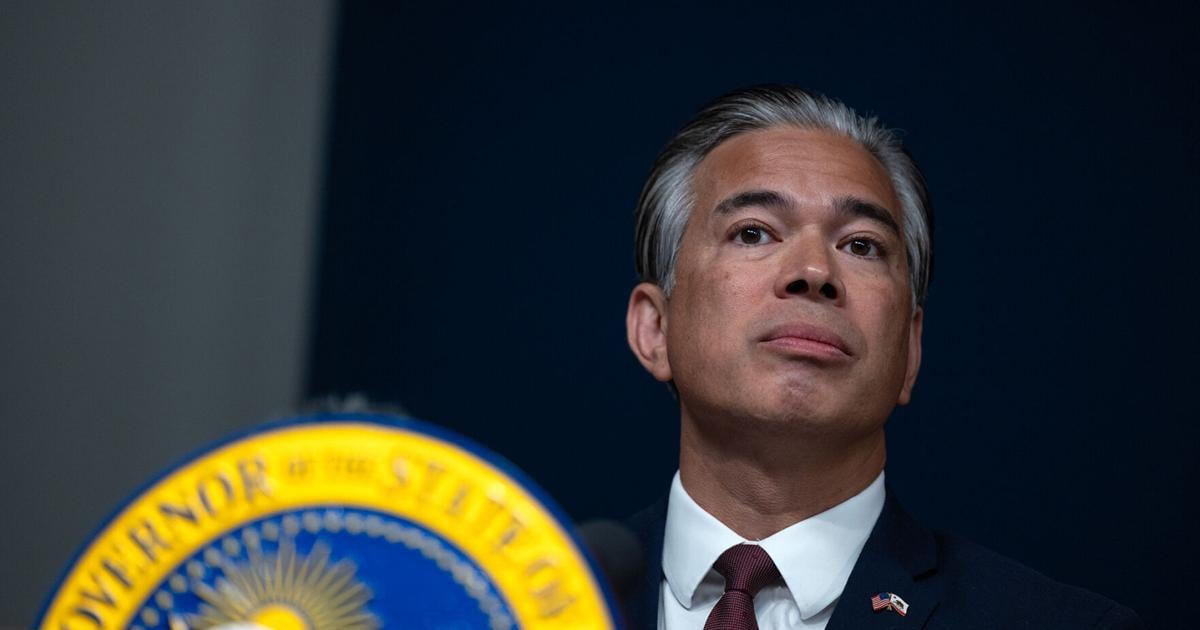
California Attorney General Rob Bonta is expected to petition for an “en banc” rehearing of the case, which would involve 11 randomly selected judges. This could provide a crucial opportunity to revisit the implications of the ruling and its broader impact on public safety.
Conclusion
The Ninth Circuit’s ruling in Baird v. Bonta has ignited vigorous discussions regarding firearms legislation in California and beyond. As states reevaluate their gun laws in light of this decision, the balance between constitutional rights and community safety continues to hang in precarious equilibrium.
For further information about the nuances of the Second Amendment and its ongoing interpretation in U.S. law, refer to NRA’s Second Amendment overview and California’s gun laws.
This article connects historical context, public safety concerns, and political implications while providing external links for improved SEO. Please let me know if you need any modifications or more information!
