

Gavin Newsom’s Budget Plan: A Balancing Act Amid Presidential Aspirations
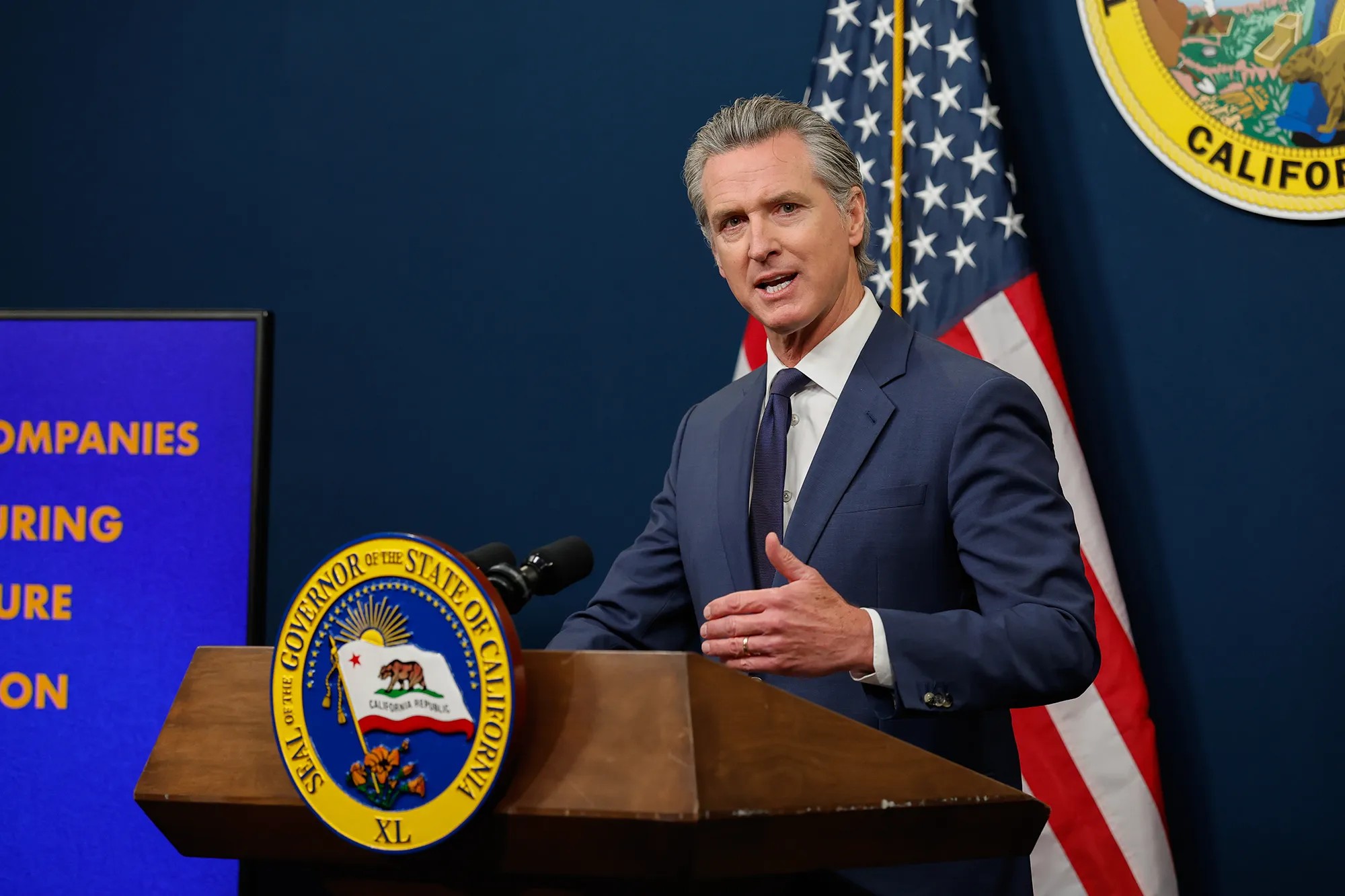
As California Governor Gavin Newsom navigates his final year in office, his actions are increasingly scrutinized through the lens of his potential presidential candidacy. Announcing his budget revision on May 14, 2025, in Sacramento, Newsom faces the daunting task of managing conflicting interests within the state while attempting to bolster his appeal as a nationwide leader.
The Political Landscape
Newsom’s approach to his budget can be likened to that of his predecessor Jerry Brown, who during his own presidential ambitions had to reconcile his policies with the political climate. In 1978, Brown initially opposed the iconic Proposition 13, which aimed at slashing property taxes. However, after its passage, he pivoted to align himself with the tax cut movement, ultimately failing in his pursuit of the presidency. This historical context underscores the intense scrutiny that accompanies budgetary decisions in the run-up to an election.
Key Budget Changes
In his recent budget proposal, Newsom opts for an incremental approach, largely maintaining the current spending plan while making adjustments that reflect a shift towards more centrist policies. To achieve a balanced budget, he has initiated cuts in social welfare, health care services, and college scholarships, decisions that have drawn ire from advocacy groups across the state. Critics argue that these changes not only jeopardize essential public services but also fail to address the repercussions of cuts in federal support initiated under former President Donald Trump.
Chris Hoene, executive director of the California Budget and Policy Center, voiced the concerns of many advocates by stating, “Governor Newsom’s reluctance to propose meaningful revenue solutions to help blunt the harm of federal cuts undermines his posture to counter the Trump administration.”
The Call for New Taxes
In light of these cuts, some budget critics are advocating for the imposition of new taxes as a means to cover state deficits and alleviate the impact of reduced federal funding. The Legislature’s Progressive Caucus has called for generating approximately $30 billion annually through increased taxes on corporations and the wealthy. Historically, both Brown and former Governor Arnold Schwarzenegger supported new taxing measures during fiscal crises; however, Newsom has persistently resisted broad tax increases.
Two prospective ballot measures are currently being sponsored by various unions and left-leaning organizations. These measures would aim to either extend and broaden a temporary tax hike on high earners or implement a 5% wealth tax on billionaires in the state.
Looking Ahead
As Newsom prepares for further budget revisions ahead of the next fiscal year, the expectation is that he will need to offer solutions that both balance the budget and address the looming deficits that could outlast his governorship. Failure to implement any form of new taxes, combined with continued cuts to essential services, could lead to increased resistance from legislators as he enters the final stretch of his term.
Newsom finds himself at a critical junction; the outcomes of his budget decisions could influence not only his current standing within California but also his prospects on the national stage as he eyes a potential presidential run in 2028.
Conclusion
Gavin Newsom’s budget proposal symbolizes the complex intersection of state governance and national political aspirations. Balancing fiscal responsibility while catering to a diverse constituency will be pivotal as he approaches his fiscal plan. How he navigates this delicate scenario will likely determine both his legacy as California’s governor and his prospects for national office.
For detailed insights and updates on this issue, you can explore the California Budget and Policy Center and additional resources on state finances.
