

The Black Panther Party’s Impact on California’s Gun Control Laws
The Black Panther Party (BPP), founded in Oakland in 1966, is renowned in American history, yet its critical role in shaping California’s gun control laws often remains overlooked. A pivotal moment occurred in 1967 with the Mulford Act, which made it a felony to openly carry firearms in public without a permit. This legislative change was directly influenced by the BPP and their audacious occupation of the State Capitol.
The Capitol Protest: A Watershed Moment
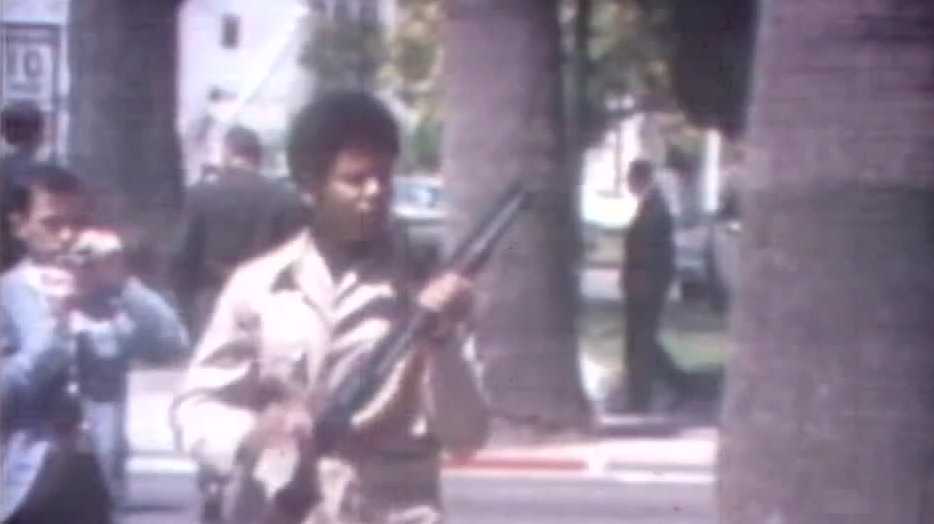
On May 2, 1967, armed members of the BPP staged a dramatic protest at the California State Capitol in Sacramento against the proposed Mulford Act. This event marked a significant turning point in the relationship between the state, the Black community, and gun rights. The courageous and visible demonstration of armed citizens sparked anxiety among lawmakers, revealing the already tense dynamics of race, power, and civil rights in California.
The KCRA 3 documentary, Liberty and Limits: Guns in California, delves into the events surrounding this protest and how they continue to impact gun regulation in the U.S.
Origins of the Black Panther Party
Initially known as the Black Panther Party for Self-Defense, the BPP was founded by Huey P. Newton and Bobby Seale in response to systemic oppression, particularly police brutality against Black Americans. While the Civil Rights Movement had taken root a decade earlier, the BPP extended its focus to African Americans beyond the Southern states. As articulated by Fredrika Newton, Huey’s widow, the party aimed to educate the community about their rights and patrol police actions.
Role of Militant Self-Defense
Historian Xavier Buck notes that following the Watts Uprising in 1965, the BPP implemented “cop watches” in Los Angeles, taking a unique approach by exercising their legal right to carry firearms. This vigilantism transformed the BPP into defenders of Black communities amid escalating racial violence.
Billy Jennings, a former Panther, reiterated that political education was a critical component of party membership, as they not only armed themselves but also understood the laws surrounding their actions. This combination of militancy and legal strategy made lawmakers wary of an empowered Black citizenry.
Legislative Backlash: The Mulford Act
The Mulford Act was already in process when the BPP made headlines with their Capitol protest. The proposal, spearheaded by assemblyman Don Mulford, sought to restrict the rights that the BPP was exercising. The armed protest illuminated the rising tensions between the Black community and law enforcement, which had already resulted in numerous tragic encounters.
In a meeting following the protest, Mulford expressed concern about the disruption to the legislative process caused by the BPP’s demonstration. For the BPP, opposing the Mulford Act was not merely about guns; it was a matter of survival and accountability for law enforcement.
A Shift in Gun Regulation
Governor Ronald Reagan, who signed the Mulford Act into law in the summer of 1967, famously shifted his stance on gun control. Historically a liberal Republican, the act marked a significant alteration in California’s legal landscape concerning firearms. Under Reagan’s governance, California moved away from its historic position as an open-carry state, changing the narrative around gun rights.
Learn more about the Mulford Act’s implications on gun rights in America.
The Legacy of the Black Panther Party
Today, the Black Panther Party Museum in Oakland stands as a testament to the activism and community programs initiated by the BPP, from health clinics to school breakfast initiatives. As Buck notes, education about the BPP’s multifaceted contributions is essential, as much of the narrative has been overshadowed by its militant portrayal.
Fredrika Newton emphasizes the need for a comprehensive understanding of the BPP’s history, highlighting that two-thirds of the members were women actively engaged in uplifting the community. This contrasts sharply with the widely propagated image of the party as primarily armed militants.
Conclusion: Current Relevance of the Mulford Act
While nearly 60 years have passed since the Mulford Act’s enactment, its implications resonate today as California grapples with Second Amendment rights and various legal challenges concerning gun regulation. Recently, a panel of federal judges deemed California’s open carry ban unconstitutional, reigniting debates over firearm freedoms and regulations.
The historical actions of the Black Panther Party during the Capitol protest have left an indelible mark on California’s legislative landscape, influencing ongoing discussions about gun laws and civil rights. Understanding this connection enriches the conversation around gun control, power, and the legacy of African American activism.
For a deeper exploration of contemporary gun rights issues and historical context, visit California’s gun regulations overview.
