

California Lawmakers Voice Concerns Over Budget Strategy: Advocating for Early Solutions
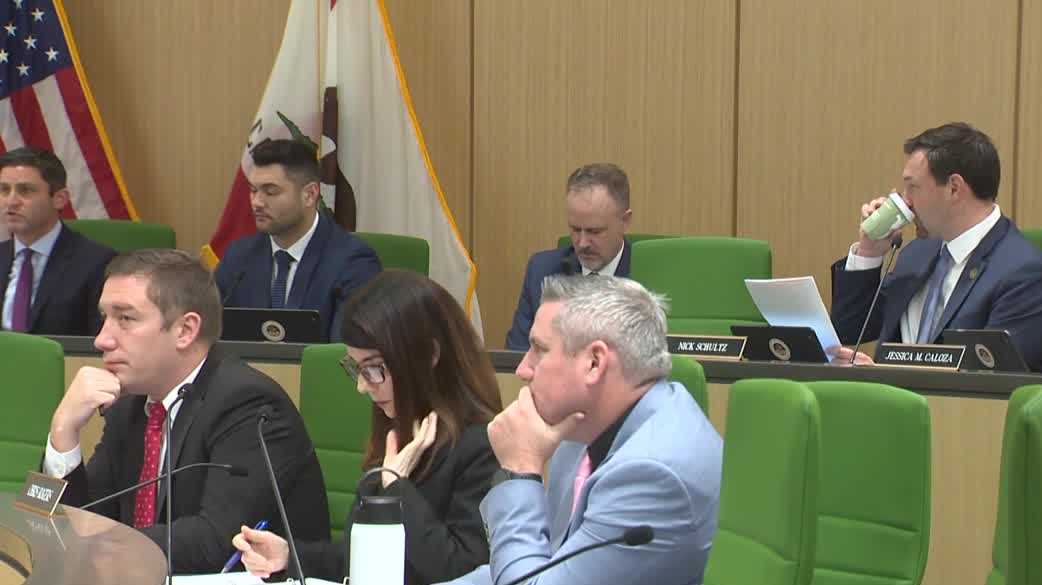
SACRAMENTO, Calif. — A significant concern has been raised among California lawmakers regarding Governor Gavin Newsom’s proposed timeline for addressing pressing financial issues within the state. During the California Assembly Budget Committee’s first hearing of the year on Tuesday, these lawmakers expressed their unease about the governor’s intention to wait until May to unveil vital financial solutions.
Governor’s Proposed Spending Plan Lacks Key Details
Earlier this month, Governor Newsom introduced an initial version of his California state budget, which heavily relies on an anticipated rise in the stock market to navigate the state’s financial landscape. Despite a projected shortfall of approximately $3 billion, the governor plans to mitigate this deficit primarily through state reserves. However, glaring omissions in the proposal raise significant questions, especially regarding the plans to restore lost federal funding through H.R. 1 and strategies to address potential deficits that could escalate into the tens of billions over the next few years.
Calls for Urgency: Lawmakers Demand Timely Solutions
Lawmakers were particularly perturbed by the governor’s decision to delay detailed solutions until May, which is when the next financial update is scheduled per state law. The timing coincides with a clearer fiscal picture just weeks ahead of the new budget implementation. Assemblyman Jesse Gabriel, D-Encino, who chairs the Budget Committee, highlighted the necessity of early discussions. He remarked, “If the governor intends to propose significant solutions to balance out your shortfalls, it is crucial we have discussions before the May revision for public vetting and input from stakeholders.”
Erika Li, an official from Newsom’s Department of Finance, responded affirmatively, indicating, “The sooner, the better.” Assemblywoman Sharon Quirk-Silva, D-La Palma, echoed these sentiments, urging the governor’s office to involve lawmakers and the public in timely dialogues about the budget.
Diverging Perspectives on Financial Projections
The optimism surrounding the governor’s budget contrasts sharply with assessments from California’s Legislative Analyst, Gabe Petek. He cautioned that an economic downturn is likely within the next year, questioning the feasibility of basing the budget on the governor’s revenue assumptions. “Even if the situation appears positive in May, it doesn’t guarantee stability,” Petek articulated, stressing the need for prudent decision-making rather than postponing significant budgetary choices.
Assemblyman Nick Schultz, D-Burbank, supported a more cautious approach, suggesting that lawmakers should prioritize realistic revenue projections rather than hopeful projections tied to the stock market’s fluctuations.
Addressing Critical Issues: Funding for Vital Services
Concerns also emerged regarding insufficient allocations for critical areas such as food assistance, housing and homelessness support, and wildfire recovery efforts. Assemblyman Chris Rogers, D-Sonoma, pointed out that during the governor’s State of the State address, there was a vague mention of establishing a wildfire relief fund. However, Li confirmed that such a fund is currently absent from the proposed budget. The governor hopes to collaborate with lawmakers to devise “creative” funding solutions for this critical necessity, potentially focusing on it during the May revisions.
Conclusion
Tuesday’s hearing marks the beginning of numerous budget-related discussions taking place at the State Capitol this year. As California navigates its financial challenges, the urgency for proactive measures rather than delayed solutions remains clear among lawmakers. The dialogue surrounding the state budget is increasingly relevant in an evolving economic landscape, making it imperative for stakeholders to remain engaged as further discussions unfold.
For more in-depth analysis on California budget concerns and political developments, visit KCRA 3.
Utilize this structured approach to ensure you are well-informed on California’s financial guidance and legislative actions impacting vital state services.
