

California’s Billionaire Tax: A Controversial Proposal Raises Alarm Among Tech Leaders
California is facing a heated debate over a proposed wealth tax dubbed “The Billionaire Act,” set to impact residents with net worths exceeding $1.1 billion. This initiative, which could impose a one-time tax of 5% on their assets, is drawing sharp criticism from various sectors, particularly within the tech community.
The Wealth Tax Explained
The wealth tax is a proposed measure that would specifically target billionaires, requiring those with a net worth above $1.1 billion to contribute a significant portion of their wealth. For those with a net worth between $1 billion and $1.1 billion, a smaller tax would apply. While the proposal aims to address economic inequality, critics argue that it could signal a dangerous shift in California’s tax landscape.
David Sacks Speaks Out
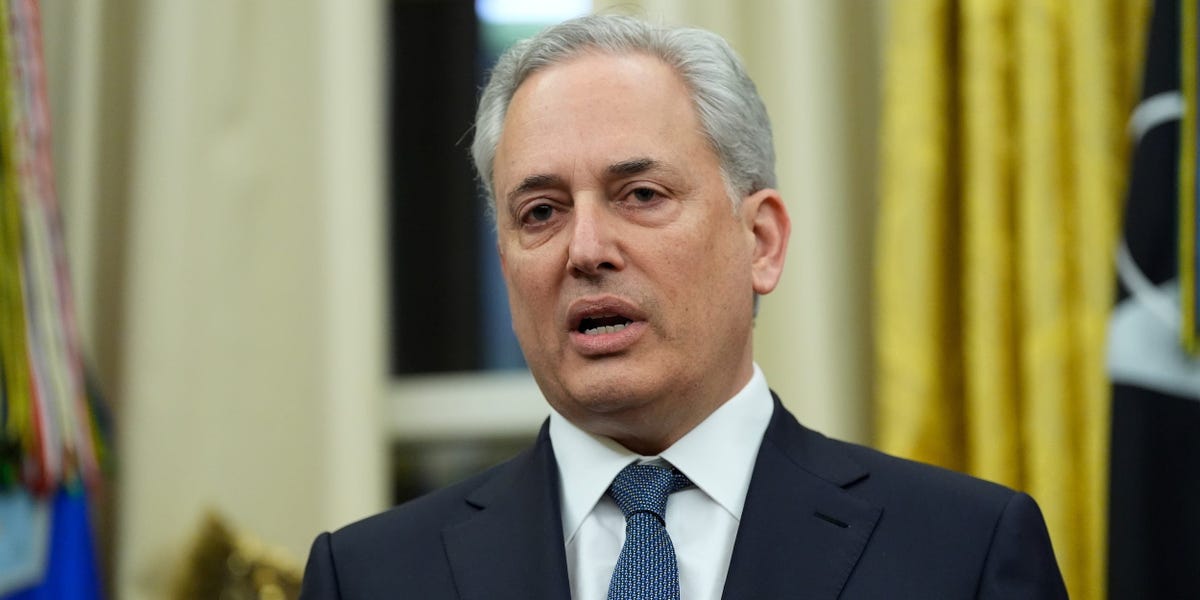
Tech entrepreneur and investor David Sacks recently voiced his concerns at the World Economic Forum in Davos. He expressed that the proposed tax is not merely a revenue-generating measure but rather an “asset seizure.” Sacks highlighted the long-term implications of the tax, warning, “If they get away with it, there’ll be a second time and a third time.”
Co-founder of Craft Ventures, Sacks relocated to Austin in December, potentially sidestepping the tax himself. His relocation is part of a growing trend among billionaires who are considering leaving California to avoid the financial burden posed by such taxes.
Tech Giants on the Move
Notable figures in the tech industry, including Google co-founders Larry Page and Sergey Brin, have already taken steps to relocate entities associated with them out of California ahead of the tax’s potential implementation. This movement signals a significant response from the tech elite, illustrating how the proposed legislation could influence both business and economic landscapes in the state.
Interestingly, not all tech leaders are in favor of abandoning California. Nvidia CEO Jensen Huang has indicated a commitment to remain in the state despite the impending tax.
The Political Landscape
As supporters of the Billionaire Act gather signatures to place the measure on the ballot for November, uncertainty looms over its future. California Governor Gavin Newsom has faced criticism for his delayed opposition to the tax. Initially maintaining a neutral stance, he has since ramped up his resistance, emphasizing the need to protect California’s economic landscape.
“I’ll do what I have to do to protect the state,” he stated, reflecting his growing concern over how the tax could affect California’s status as a haven for billionaires and innovators.
Conclusion: The Future of California’s Wealth Tax
Debate continues over California’s potential wealth tax and its broader implications for the future of the state’s economy. While proponents argue it could help bridge the wealth gap, critics like Sacks apprehend that it marks the beginning of a new era of asset taxation that could ultimately drive away the very wealth that California relies on.
The outcome of this contentious proposal could reshape California’s economic landscape and redefine how wealth is taxed in the United States. With a majority vote needed for approval and potential legal challenges on the horizon, the unfolding drama around the Billionaire Act is set to capture national attention.
For those concerned about the implications of this tax and the future of business in California, staying informed and engaged with ongoing developments will be essential.
