

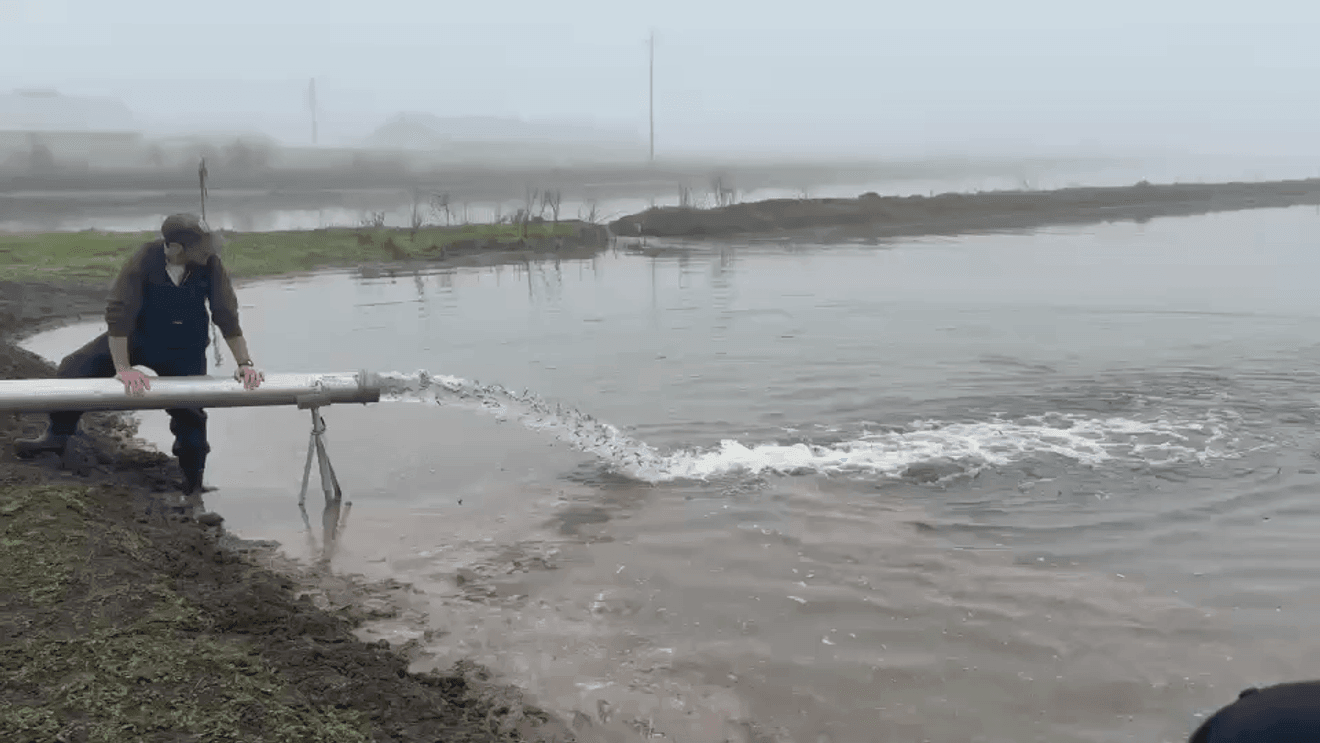
Nearly One Million Salmon Released in California Rice Fields for Conservation
Introduction to Salmon Conservation in California
In an innovative move to boost the survival and growth of salmon populations, California has released nearly one million juvenile salmon into its rice fields. This initiative aims to provide vital habitat for fish during critical developmental stages, thereby enhancing their chances of survival as they transition to life in the wild.
The Importance of Salmon in California’s Ecosystem
Salmon play a crucial role in the ecosystem, serving as a keystone species that supports various wildlife and plant life. Their decline in population has raised alarms among conservationists. Unfortunately, factors such as habitat degradation and climate change have severely impacted salmon habitats, particularly in Northern California.
How Rice Fields Aid Salmon Survival
The unique ecosystem found in California’s rice fields offers a safe haven for juvenile salmon. When floodwaters fill these fields, they create a rich environment abundant in food sources, helping young fish to thrive.
Benefits of Rice Fields for Salmon:
-
Abundant Food Supply: The flooded fields foster a multitude of aquatic invertebrates, providing ample nourishment for the young salmon.
-
Safe Refuge: These habitats shield salmon from predators, increasing their chances of survival until they are ready to migrate to the ocean.
-
Water Quality Improvement: Rice fields can help enhance water quality, which is critical for the health of both fish and plant life.
The Release Initiative
The recent release involved approximately 800,000 juvenile salmon and incorporated strategies designed to maximize their chances of survival. These fish were carefully transported from hatcheries and released into strategically selected rice fields, demonstrating a growing trend among conservationists to utilize agriculture for wildlife preservation.
Conservation Challenges Ahead
While this initiative marks a positive step forward, significant challenges remain. Ongoing threats such as habitat loss, water shortages, and climate change require collaborative efforts among local farmers, conservationists, and policymakers. Therefore, maintaining a sustainable balance between agricultural practices and wildlife conservation is essential for long-term success.
Conclusion: A Step Towards a Sustainable Future
Releasing nearly one million salmon into California’s rice fields represents an innovative approach to supporting salmon populations and emphasizes the need for sustainable land use practices. As this initiative gains traction, it highlights the potential for agricultural landscapes to become crucial habitats for wildlife.
For more information on salmon conservation efforts in California, visit organizations like the California Department of Fish and Wildlife and other conservation resources.
Keywords:
- Salmon Conservation
- California Rice Fields
- Juvenile Salmon Release
- Wildlife Preservation
By intertwining agricultural and environmental practices, California aims not only to support salmon populations but also to inspire similar initiatives worldwide. This project exemplifies how innovative thinking can address pressing ecological challenges.
