

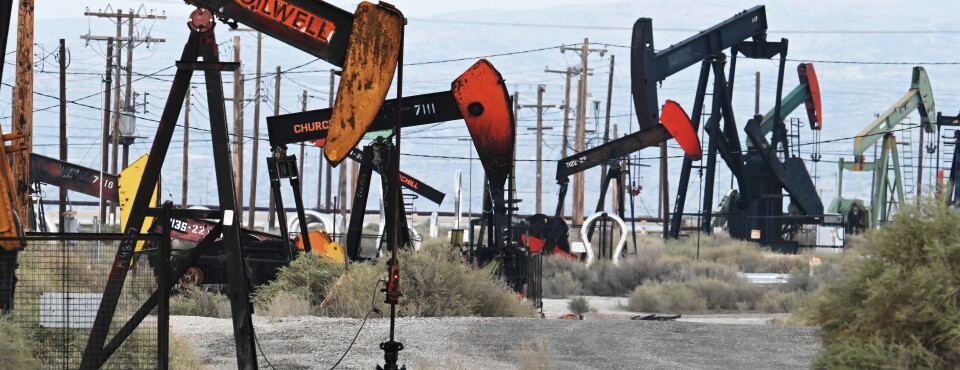
Challenge Against California Law Banning New Oil and Gas Wells
Introduction
In a significant legal move, two California residents are contesting a recently enacted state law that imposes restrictions on oil and gas drilling. The law, known as SB 1137, prohibits the establishment of new wells within 3,200 feet of designated sensitive areas. The plaintiffs argue that this regulation creates unlawful barriers that infringe upon the rights of mineral rights owners.
The Lawsuit and Its Claims
The lawsuit was filed on a Tuesday in the U.S. District Court for the Central District of California. The plaintiffs, siblings John and Melinda Morgan, claim that the law constitutes an “uncompensated taking” of private property under the Fifth Amendment of the U.S. Constitution. They assert that the state is unfairly shifting the responsibility of its climate change policies onto individual mineral estate owners.
Focus on Mineral Rights
The Morgans inherited mineral rights tied to land in California, which grants them specific privileges related to the exploration and extraction of natural resources. They argue that the restrictions imposed by SB 1137 severely limit their ability to utilize these rights, essentially rendering them ineffective. By doing so, the state’s law infringes upon their constitutional rights and undermines their economic interests.
Implications of SB 1137
SB 1137 has sparked extensive debates around environmental protection and the rights of mineral rights owners. Supporters of the law argue that it is a necessary step toward reducing fossil fuel dependency and addressing climate change issues. However, opponents contend that it unjustly burdens individual property owners, leading to potential financial losses and limiting their ability to develop their assets.
Legal Context
The Morgans’ challenge highlights a growing tension between environmental regulations and property rights. The concept of “eminent domain,” particularly related to the Fifth Amendment, allows the government to limit property use for public good. However, when compensation is not provided, it raises critical questions about fairness and legality.
Conclusion
The outcome of this lawsuit could set a precedent for how state laws interact with individual mineral rights in California. As the case progresses in court, it will be crucial to observe how judicial interpretations of property rights versus environmental regulations evolve. The Morgans’ claim reflects much broader issues associated with land use, ownership, and climate policy in the Golden State.
Further Reading
For those interested in learning more about mineral rights and property laws, consider checking out these resources:
This case illustrates the complexities at the intersection of climate policy and private property rights in California and may have lasting implications for landowners across the state.
