

California’s Environmental Policy Forum Highlights Tensions Over Affordability
In a recent environmental policy forum held in Pasadena, California, the growing divide between Democratic environmental ideals and voter concerns about affordability, particularly around gas prices, was starkly evident. This forum featured prominent candidates for the upcoming gubernatorial race, underscoring the challenges their policies may face.
The Debate on Zero-Emission Vehicles
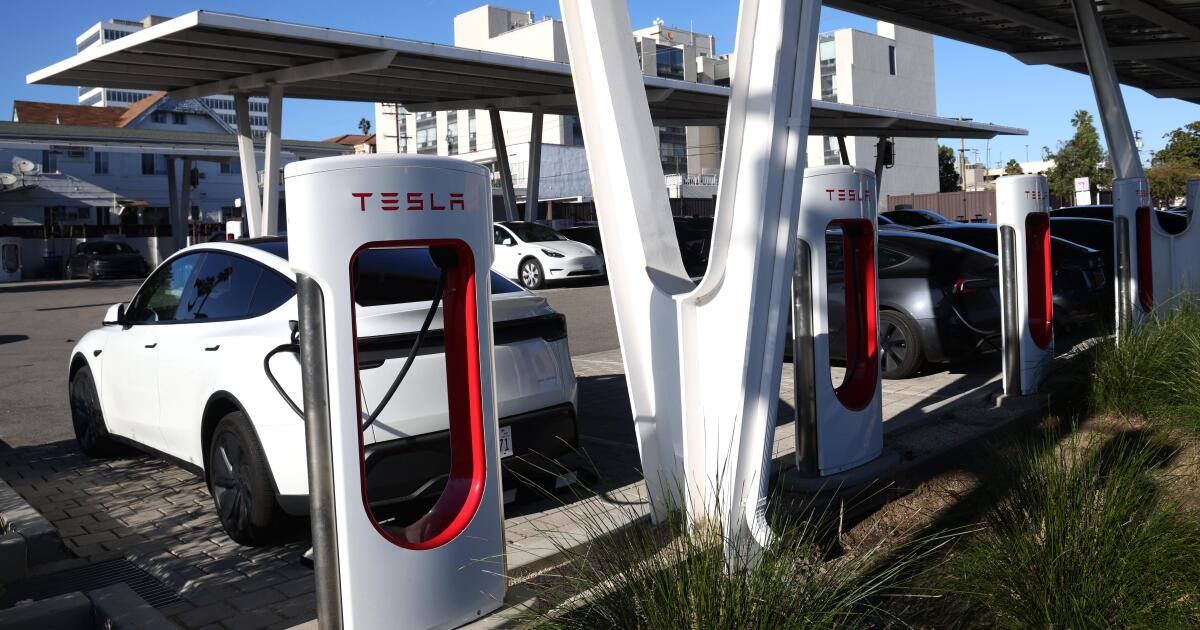
California’s ambitious goal of transitioning to zero-emission vehicles by 2035, which includes banning the sale of new gas-powered cars and trucks, has sparked significant debate. Candidates raised questions about the economic implications of such a transition, particularly given the state’s current high gas prices and cost of living. Former Representative Katie Porter pointed out that many Californians find electric vehicles (EVs) unaffordable, often costing $8,000 to $10,000 more than traditional vehicles. The recent expiration of federal subsidies and the rollback of tax incentives under the previous administration further complicate matters.
Porter emphasized the critical need to make EVs not only attractive but also affordable for families. Her fellow candidate, Xavier Becerra, emphasized the importance of expanding charging infrastructure to ensure drivers can reach their destinations without anxiety. Becerra stated, “We know our future is in clean energy; we’ve got to make it affordable for families.”
A Broad Consensus on Environmental Issues
Porter and Becerra were joined by other Democratic candidates, including environmental advocate Tom Steyer and Rep. Eric Swalwell. The candidates broadly agreed on pressing issues such as combating climate change and enhancing water resource protection in California. The forum, hosted by groups including California Environmental Voters and the Natural Resources Defense Council Action Fund, featured discussions among the leading candidates based on recent public opinion polls.
The state’s political landscape remains challenging for Democrats, especially as high living costs, including gas prices, emerge as key vulnerabilities for those supporting California’s progressive environmental policies.
Controversial Water Management Proposals
In addition to transportation policies, the candidates distanced themselves from the controversial Sacramento-San Joaquin River Delta tunnel project. This massive proposal, aimed at transporting water to Southern California and the Central Valley, has faced numerous setbacks over the years, including environmental reviews and legal challenges. Although affirmed by Gov. Gavin Newsom, the project could face further delays.
Steyer criticized the Delta tunnel concept, arguing that there are faster and more cost-effective methods for managing California’s water supply. Swalwell echoed this sentiment, suggesting innovative solutions like covering aqueducts with solar panels to enhance efficiency.
Communication Missteps
During the event, Becerra made headlines for incorrectly using a term that some consider derogatory when discussing rooftop solar programs. His campaign later clarified that he did not intend to cause offense and was advocating for protections against predatory practices targeting underserved communities.
Conclusion
As California gears up for the 2026 gubernatorial election, the dynamic between environmental initiatives and economic realities will be a crucial campaign theme. The candidates’ discussions at the forum reflect a broader challenge within the Democratic Party to balance rigorous environmental policies with the pressing concerns of affordability for everyday Californians. Ultimately, how they navigate these complexities could significantly influence the future of California’s approach to climate change and economic equity.
For more information on California’s environmental policies, check out California Environmental Voters and Natural Resources Defense Council.
