

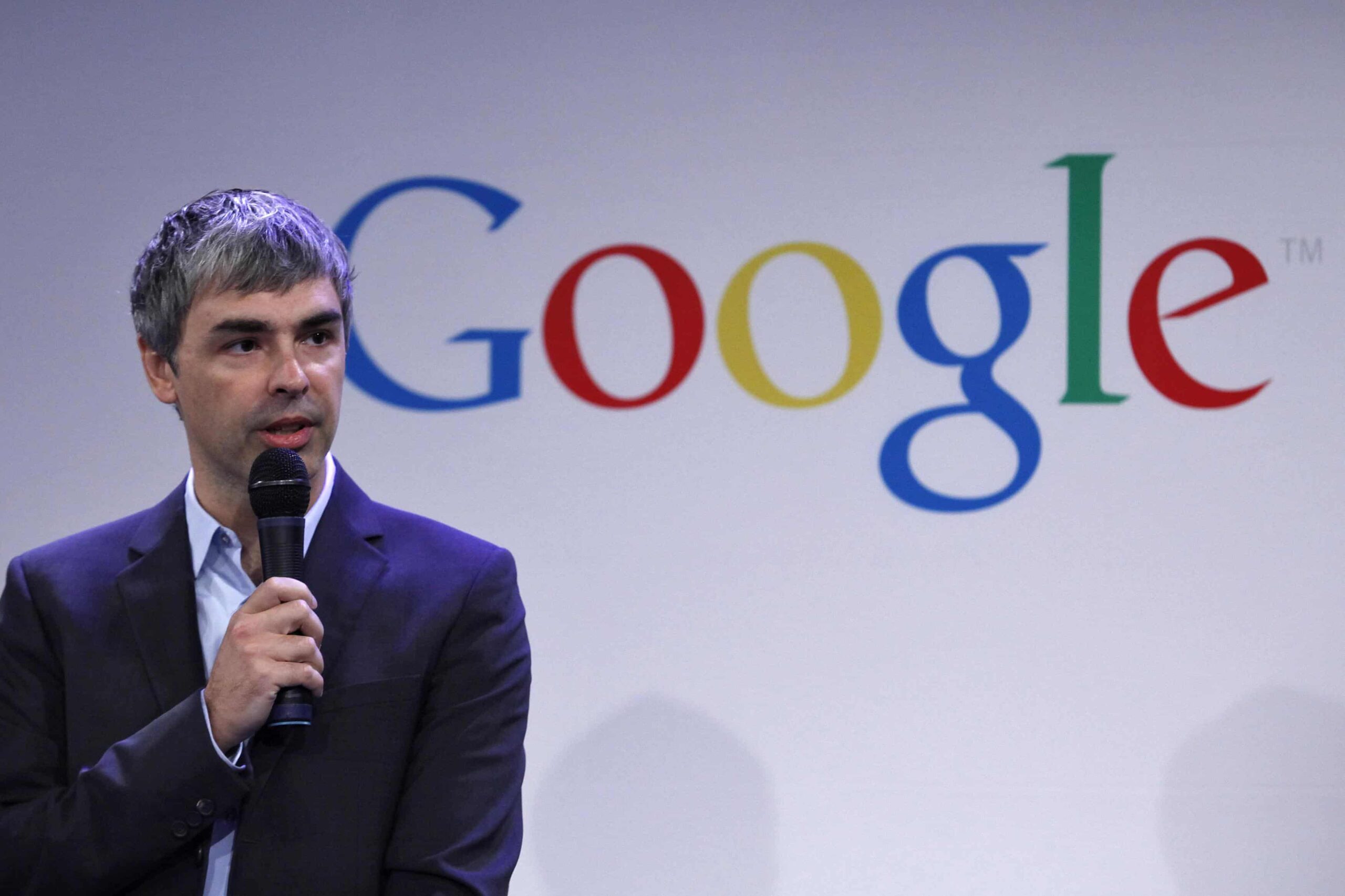
Larry Page Relocates to Evade California’s Billionaire Tax
Taxes are a contentious topic, often generating negativity among all income groups. While lower-income individuals see a direct impact on their take-home pay, even the wealthy are hesitant to part with their fortunes. This sentiment has prompted some ultra-rich individuals to take drastic measures, one of whom is Larry Page, co-founder of Google, who has officially moved his business operations out of California to sidestep the state’s impending billionaire tax.
The 2026 Billionaire Tax Act Explained
California is set to introduce a new piece of legislation, known as the 2026 Billionaire Tax Act, which proposes a one-time 5% tax on individuals with a net worth exceeding $1 billion. This unique tax will not be collected annually but rather in a single lump sum. While 5% may initially appear insignificant, it translates to a hefty amount—5% of $1 billion equates to a staggering $50 million, highlighting the financial implications for the wealthy.
To avoid falling under this substantial tax burden, Page has opted to relocate his operations. Reports indicate that he shifted his family office, Koop, to Delaware in December. Along with this, he moved other businesses, including Flu Lab LLC and One Aero, to states like Florida, Nevada, and Texas.
Potential Impact of the Billionaire Tax
The 2026 Billionaire Tax is projected to raise around $100 billion over five years. These funds are earmarked for critical areas like healthcare, education, and food assistance programs, particularly in anticipation of potential federal budget cuts.
However, the act has sparked a debate about its broader implications. Venture capitalist Vinod Khosla has expressed concerns that targeting the affluent could drive them away from California, resulting in a potential exodus of high-net-worth individuals. Khosla believes this could jeopardize California’s status as a hub for business and innovation, leading to a detrimental financial landscape for the state.
The Future of California’s Billionaire Tax
As the 2026 Billionaire Tax awaits a vote this November, it remains uncertain if it will be adopted. For now, Page’s relocation indicates that the wealthy may be looking for ways to navigate increasing taxation pressures. Whether this move is permanent or merely a waiting game remains to be seen, but the implications for California’s economy and its affluent residents are significant.
In conclusion, the proposed billionaire tax and the subsequent actions of high-profile individuals like Larry Page exemplify the complexities of tax structures and their far-reaching impacts. As the state prepares for a critical vote, the landscape for California’s wealthy remains in flux.
