

California’s Proposed Billionaires’ Tax Sparks Political Turmoil
Introduction to California’s Wealth Tax
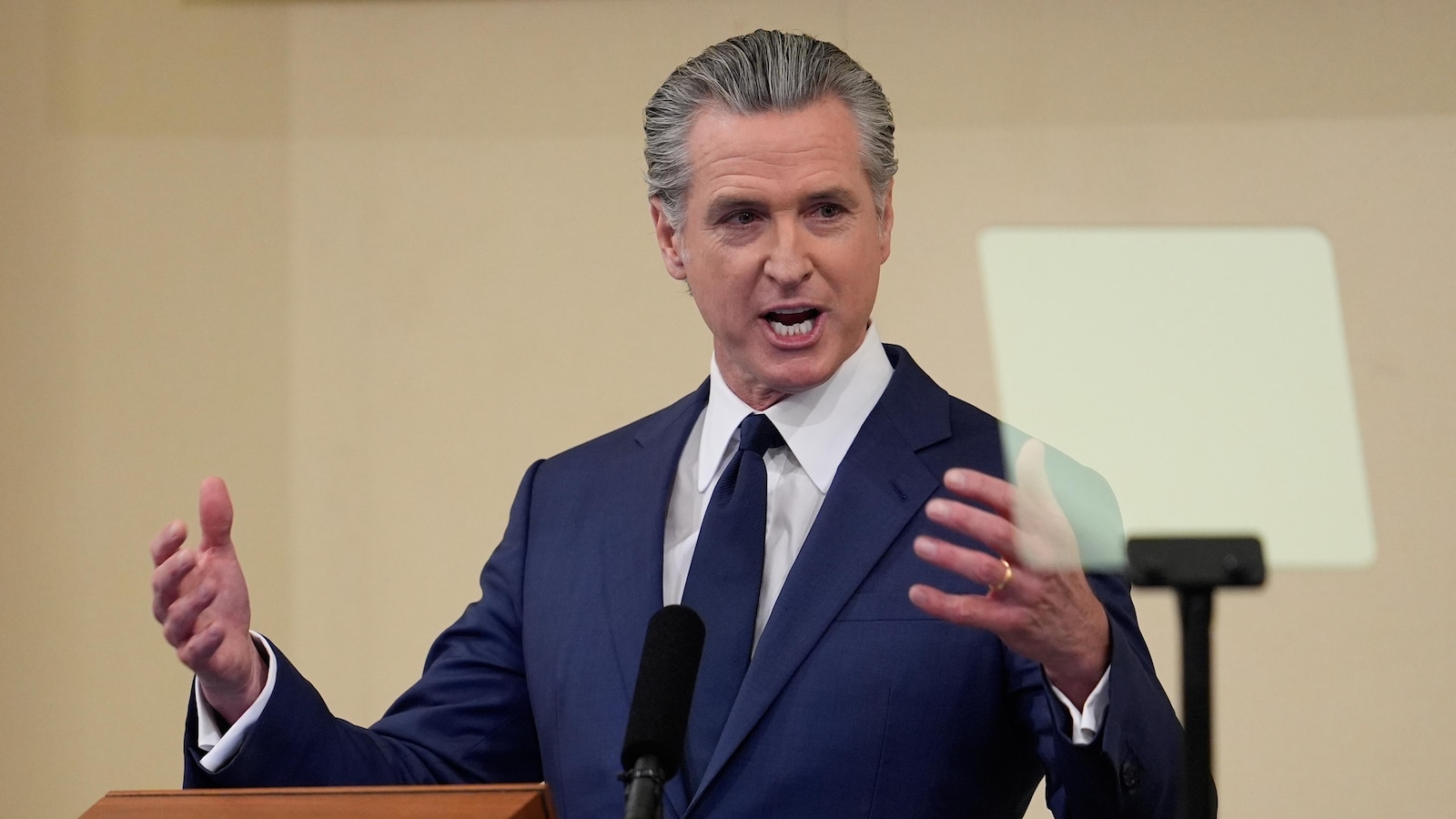
The proposed billionaires’ tax in California has ignited fierce debates within Silicon Valley, as tech giants threaten to relocate in response to potential new levies. Democratic Governor Gavin Newsom is actively attempting to thwart this initiative, fearing it could incite an exodus of wealth from the state.
The Context of Wealth Inequality in California
California hosts the highest number of billionaires in the United States, contributing almost half of its personal income tax revenue, which plays a crucial role in the state’s nearly $350 billion budget. This income disparity has become a focal point as wealth inequality grows, prompting discussions around new taxation measures.
Proposal Overview: Tax on Billionaires
A large health care union aims to introduce a significant tax proposal on the ballot this November. This initiative seeks to implement a one-time 5% tax on the assets of billionaires, including stocks, art, businesses, and intellectual property, to replenish federal funding cuts to health services that impacted low-income individuals following previous legislation by President Donald Trump.
Political Reactions: Anxiety and Opposition
As California grapples with economic strain ahead of the upcoming midterm elections, the proposed measure has intensified rifts within both the Democratic and Republican parties. An increasing flow of political contributions, such as a whopping $3 million from billionaire Peter Thiel, highlights the urgency for tech leaders to oppose the tax.
Current Status: Challenges to Ballot Qualifying
Despite the fervor, there remains uncertainty about whether the proposal will qualify for the ballot, needing over 870,000 signatures to proceed. If implemented, the measure would retroactively affect billionaires residing in California as of January 1.
The Potential Impact of the Tax
While the proposed tax would target a small fraction of California’s approximately 39 million residents, it threatens to siphon substantial funds from a concentrated pool of wealth. Recent analyses show that 25 billionaires listed among Forbes’ 2025 rankings either live in California or have substantial ties to the state, making the discussions around residency and asset ownership increasingly complex.
The Business Perspective: Concerns Over Migration
Tech companies and leaders are expressing concern that the billionaires’ tax could discourage entrepreneurship and lead to a significant migration of startups out of California. Aaron Levie, CEO of Box, warns of the risks associated with these policies, arguing that even those who support the cause may find the tax structure unsustainable.
Governor Newsom’s Stand: Balancing Interests
Governor Newsom has long opposed wealth taxes at the state level, believing they could hinder California’s economic landscape. As he navigates a budget deficit and eyes a potential presidential run in 2028, there is considerable pressure on him to suppress this proposal before it reaches voters.
The Progressive Wing’s Strong Support
On the other side of the aisle, prominent figures within the Democratic Party, including Senator Bernie Sanders, endorse the tax as a necessary step to address growing inequalities. Sanders argues that the country cannot prosper when wealth is concentrated in the hands of a few.
Mixed Reactions from Business Leaders
While some business leaders contest the validity and effectiveness of the billionaires’ tax, the Service Employees International Union (SEIU) sees it as a viable solution to ensure the continuity of healthcare services. Suzanne Jimenez, a chief of staff for SEIU-United Healthcare Workers West, emphasizes that the tax represents a critical response to congressional decisions affecting the healthcare sector.
The Opposition’s Economic Concerns
Conversely, the California Business Roundtable decries the proposed measure, claiming it would exacerbate economic challenges and burden working families. They argue that the potential outflow of capital could significantly destabilize the state’s finances.
High-Profile Movers: Leaving California Behind
Recent trends indicate that some of Silicon Valley’s leading figures, including Elon Musk, are already relocating or diversifying their investments outside of California. Notably, Google founders Larry Page and Sergey Brin are reportedly repositioning assets to Florida, highlighting a broader trend of wealth migration.
Conclusion: The Path Forward
As California stands at a crossroads in deciding the future of its taxation policies, the debate over the billionaires’ tax showcases the deep-seated divisions within its political landscape. The outcome could have lasting implications not just for residents, but for the entire economic fabric of the state.
For further insights into the evolving economic policies and proposed tax measures in California, explore more at California State Government and Forbes.
