

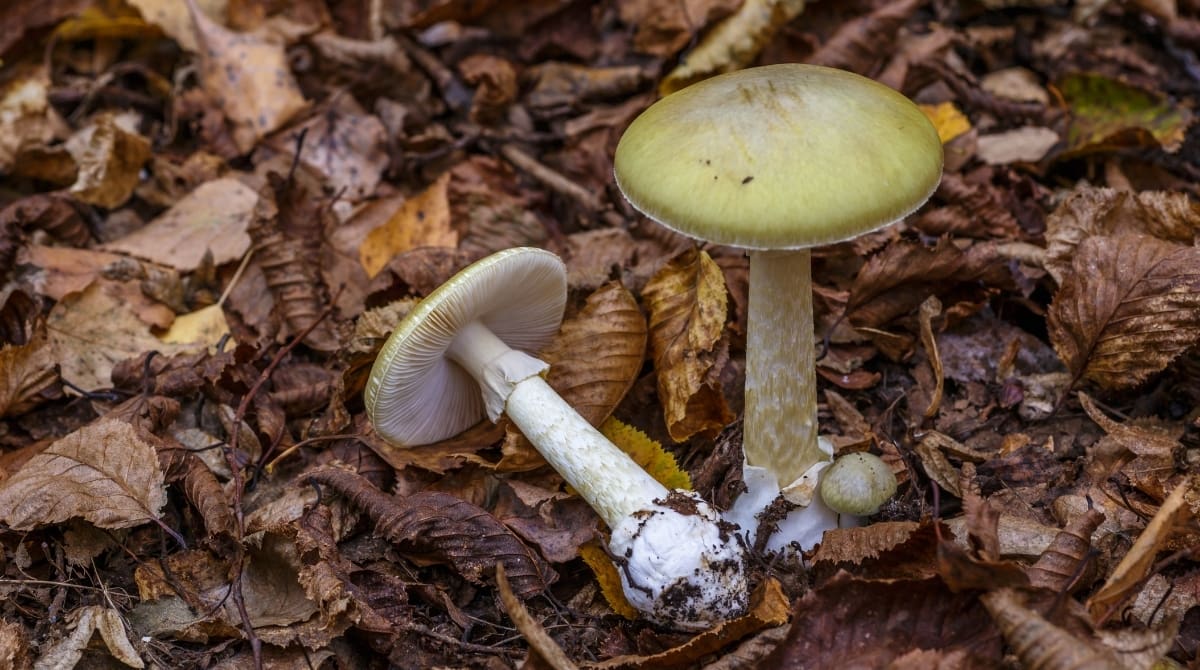
Alert: Death Cap Mushroom Poisoning Outbreak in California
California is currently experiencing a significant surge in illnesses linked to the accidental ingestion of Death Cap mushrooms (Amanita phalloides), which has resulted in three fatalities since November 2025. According to the California Department of Public Health (CDPH), a total of 35 cases of Death Cap mushroom poisoning have been reported between November 18, 2025, and January 5, 2026.
Regions Affected
Counties impacted by hospitalizations due to Death Cap mushroom ingestion include San Luis Obispo, Alameda, Contra Costa, Monterey, San Francisco, San Mateo, Santa Clara, Santa Cruz, and Sonoma. The spike in case numbers has alarmed health officials, prompting immediate advisories.
Rising Cases of Toxic Mushroom Poisoning
Between mid-November and early December 2025, the California Poison Control System recorded 21 instances of toxic mushroom poisoning. Several victims required intensive medical care, with at least one individual necessitating a liver transplant.
Identifying Dangerous Mushrooms
California is home to numerous poisonous wild mushroom species that tend to flourish after wet weather. The Death Cap mushroom and the Western Destroying Angel mushroom (Amanita ocreata) are among the most perilous varieties that become prevalent during the rainy season. Death Cap mushrooms commonly thrive near oak and hardwood trees, as well as pine trees.
The danger lies in the fact that poisonous mushrooms can closely resemble edible varieties, including those commonly found in grocery stores. CDPH cautions that foragers, especially those new to California, may mistake toxic species for safe ones.
Symptoms of Mushroom Poisoning
Initial symptoms of mushroom poisoning can include stomach pain, diarrhea, nausea, vomiting, fatigue, and a drop in blood pressure. These symptoms may appear six to 24 hours after consumption of toxic mushrooms. It’s crucial to note that mild symptoms such as nausea might indicate a more severe reaction. While early symptoms can subside, patients may develop severe liver damage after two to three days.
CDPH emphasizes the importance of seeking immediate medical attention if you suspect toxic mushroom ingestion, regardless of symptom onset. For effective treatment, bringing any uneaten mushrooms or photographs that capture various angles (cap, stem, and underside) can greatly assist healthcare providers in identifying the species.
Health and Safety Recommendations
To ensure safety, CDPH strongly advises against consuming wild mushrooms, particularly those picked by others. Most mushroom-related poisonings occur in children under six; therefore, parents and guardians should supervise children in areas where mushrooms grow.
Pets are also at risk of mushroom poisoning, so keeping them away from wild mushrooms is vital. It’s recommended to purchase mushrooms only from reputable grocery stores and to exercise caution with street vendors. Attempts to make toxic mushrooms safe through cooking, boiling, freezing, or drying are ineffective, as these methods do not eliminate their toxicity. Furthermore, while touching poisonous mushrooms isn’t always dangerous, washing hands afterward is highly advisable.
When disposing of toxic mushrooms, seal them in a bag and place them in regular garbage or the municipal compost bin, avoiding home composting.
Conclusion
This alarming outbreak of Death Cap mushroom poisonings serves as a critical reminder for Californians regarding the risks associated with foraged mushrooms. Staying informed and vigilant can help prevent future incidents. For more detailed information, refer to the CDPH advisory on mushroom safety.
