

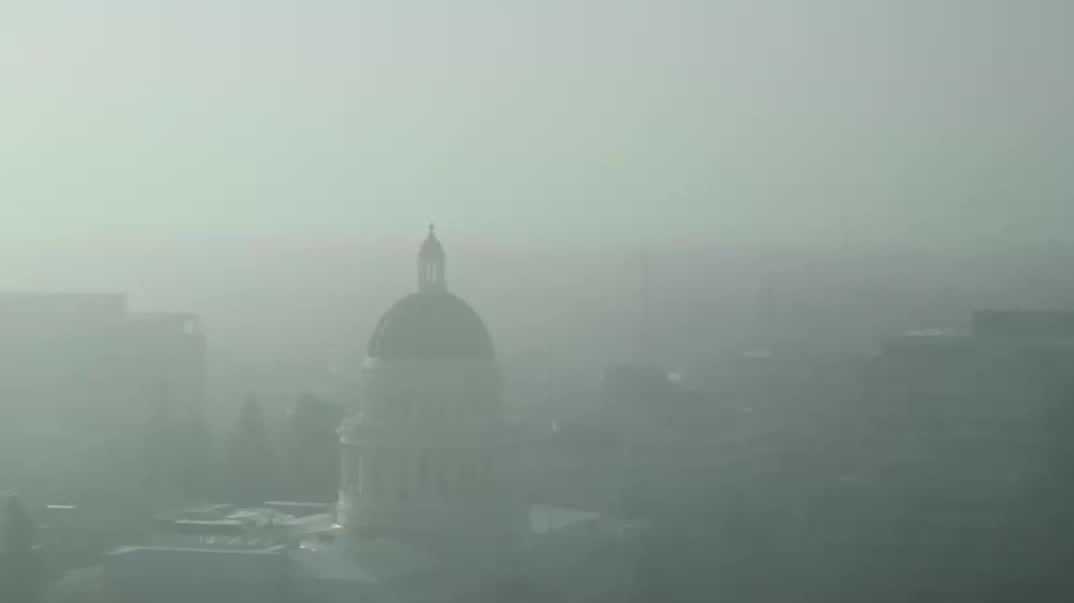
Air Quality Concerns Persist in Sacramento and San Joaquin Valleys
As the morning fog dissipates in the Sacramento and San Joaquin Valleys, many residents have observed a lingering haze in the air. Recent Air Quality Index (AQI) readings indicate that air quality levels remain in the “moderate” to “unhealthy” range. This situation stems from a persistent high-pressure system that traps stagnant, polluted air in lower elevations.
Understanding the Current Air Quality Situation
Rebecca Schmidt of UC Davis Public Health Sciences explains that winter conditions often lead to stagnant air. “In the winter, we often get this…where the air kind of just sits,” she notes. This lack of wind exacerbates the issue, allowing particulate matter and other air pollutants to accumulate, creating a health risk for residents.
Northern California’s geography plays a significant role in this air quality dilemma. Light winds contribute to the buildup of harmful gases, emissions, smoke, and other airborne particulates. The longer these winds remain calm, the more pollution can accumulate.
Regulatory Measures: No Burn Alert
In response to these air quality issues, the Sacramento Air Quality Management District has declared Thursday and Friday as part of the “Stage 1 – No Burn Unless Exempt” initiative. This regulation prohibits the use of wood-burning devices or outdoor fires in Sacramento County. Only EPA-certified fireplace inserts, stoves, or pellet stoves that do not emit visible smoke are permitted.
Emily Allshouse of the Sacramento Air Quality District emphasizes the importance of these restrictions. “By restricting burning, we’re able to stop the creation of more pollution,” she explains. The area’s Check Before You Burn season runs from November 1 to the end of February, with exemptions available for households that rely on fireplaces as a primary heating source. However, these exemptions require annual applications and approvals.
Expected Air Quality Trends
With the high-pressure system remaining stationary over the West Coast, residents can expect poor air quality to persist into the weekend.
How to Monitor Your Air Quality
Staying informed about air quality conditions is essential for protecting yourself and your family. Here are some recommended tools to check the air quality in your area:
1. AirNow.gov
Operated by the Environmental Protection Agency, AirNow provides real-time air quality updates through an interactive map. This site tracks both smoke and ozone pollution, offering forecasts of expected air quality conditions localized for specific areas. Air quality reports are determined using the AQI, where a score of 50 or lower denotes “Good” air quality. However, an AQI of 101 or higher raises concerns for sensitive groups, while values above 300 are considered hazardous.
2. PurpleAir.com
PurpleAir maintains a global network of air quality monitors designed specifically to track smoke pollution. Its interactive map provides real-time AQI readings, making it easy for users to stay updated.
Recommendations for Staying Safe
To protect yourself during times of poor air quality, consider the following strategies:
- Stay Indoors: Limit outdoor activities, especially during periods of low air quality.
- Utilize Air Purifiers: Running an air purifier indoors can help to improve air quality by filtering out harmful pollutants.
- Keep Windows Closed: Keeping your home’s windows shut can prevent polluted air from entering your living space.
By taking proactive measures and staying informed, residents can navigate the challenges posed by poor air quality in the Sacramento and San Joaquin Valleys.
