

The Evolution of California’s National Image: From Golden State to Cautionary Tale
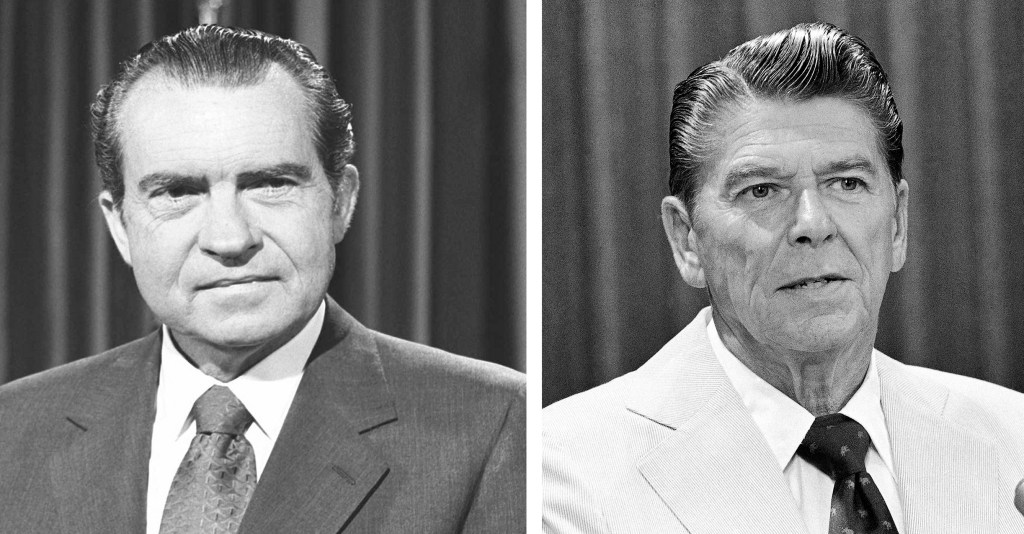
California, once a beacon of confidence, prosperity, and national strength, is now seen through a different lens. The state that once nurtured Republican leaders like Richard Nixon and Ronald Reagan has transformed its national branding, exporting images of staggering costs, societal chaos, and overwhelming political challenges. This shift poses significant hurdles for current leaders, particularly Governor Gavin Newsom.
California’s Historical Role in National Politics
Historically, California has held a crucial position in the political landscape, serving as a bellwether for national sentiments. During the presidencies of Nixon and Reagan, California’s reputation closely aligned with a broader sense of American optimism. The state was characterized by a robust middle class, a booming economy, and a reputation for national security excellence, particularly through its defense and aerospace industries. It embodied the American Dream: good-paying jobs, home ownership, and future opportunities.
The Shift in Perception
Today, however, California’s image is starkly different. Rising living costs, an acute housing crisis, and soaring energy prices dominate headlines. This shift begs the question: Why has California struggled to produce a successful Democratic presidential candidate? The answer lies in its evolving political culture that often focuses on deep-blue urban centers rather than the swing voters pivotal for national elections.
In a recent State of the State address, Newsom asserted, “In California, we are not silent… We are a beacon.” If California is indeed a model for the nation, then Newsom could be seen as a viable presidential candidate for 2028. Yet, to most voters, his proclamation may not resonate in the same way. Many see California as a cautionary tale, burdened by high taxes, an overwhelming regulatory environment, and systemic issues that appear resistant to correction.
The Migration Challenge
One of California’s most significant political liabilities arises from years of challenging policy decisions. Many are voting with their feet, seeking more affordable and manageable living conditions in other states. Domestic migration trends depict a striking reality: while international migration towards California may counterbalance some exodus, the overall population decline is significant. This reality directly contradicts Newsom’s claims of a “reversal” in migration trends.
Perceptual Shortcuts in Presidential Politics
Perception in politics is crucial. It becomes shorthand for reality, and this presents a major hurdle for Governor Newsom as he aims to project authority and urgency regarding pressing issues like homelessness. His declarations, such as “No more excuses, it’s time to bring people off the streets,” highlight his awareness of the national vulnerabilities tied to California’s challenges. High-profile imagery of urban homelessness can undermine perceptions of leadership competence and effectiveness, manifesting in the political ads of his opponents.
California’s Unique Political Dynamics
The Democratic stronghold of California—which has voted for Democratic presidential candidates since 1992—creates a national paradox. While state leaders thrive in engaging a deep-blue coalition, they must also appeal to a diverse voter base that stretches beyond state lines. This requires a nuanced understanding of the broader electorate that often views California governance with skepticism.
Newsom’s National Ambitions: A Rebranding Effort
As Governor Newsom prepares for national aspirations, his recent appearances, including at the World Economic Forum in Davos, signal a strategic pivot. His underlying message emphasizes a desire to reshape California’s image as a blueprint for success. However, this effort may be met with skepticism as critics highlight California’s struggles rather than its successes.
The Call for Change
While Newsom can dismiss his critics as suffering from “California Derangement Syndrome,” the lived experiences of many Americans tell a different story. Citizens are increasingly aware of California’s high living costs, regulatory burdens, and societal disarray. As long as these issues remain front and center, a California Democrat—especially one from San Francisco—might continue to face uphill battles in convincing swing voters of their fiscal and governance competencies.
In conclusion, as California attempts to redefine its role on the national stage, the pressing question remains: Will voters embrace this new narrative, or will they continue to see the Golden State as a warning sign of governance challenges? Only time will reveal how effectively California can transform its brand from cautionary tale to model of success.
For further exploration of California’s political landscape, consider visiting California State Government and Pew Research for in-depth analyses and data.
