

The Impact of Weather on Housing Prices in Southern California
As temperatures dip across much of the United States, with significant snowstorms like Winter Storm Fern blanketing various regions, Southern California enjoys relatively mild winter weather. This seasonal advantage raises a relevant question: how does the pleasant climate influence housing prices in the region?
The Weather Advantage
Southern California’s winter climate stands in stark contrast to the biting cold and heavy snowfall elsewhere. For instance, areas impacted by Winter Storm Fern have experienced heavy snowfalls exceeding a foot, coupled with icy conditions.
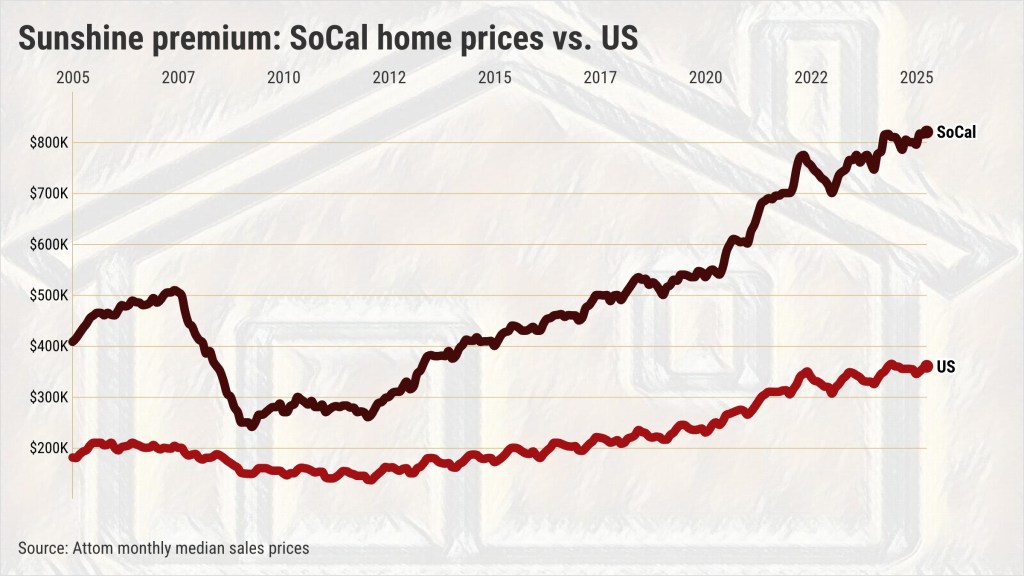
In light of these factors, the notion of California’s “sunshine tax” comes into play. Prospective homebuyers in Southern California are often willing to pay a premium for the region’s desirable climate. According to real estate tracker Attom, the median home price in Southern California hit $812,000 in November, whereas the average home price nationwide was approximately $365,000. This translates to a staggering 122% premium—a reflection of the sunshine-with-no-humidity advantage that comes with living in the area.
Factors Influencing Housing Costs
While the climate plays a significant role, it’s not the only aspect contributing to the pricing discrepancies.
Construction Pace and Salaries
The region’s slow pace of residential construction combined with relatively high salaries also contributes to elevated housing costs. With competition for homes further intensifying, buyers are often left facing higher prices.
Additionally, while the pleasant weather attracts people to the area, California faces its challenges, such as droughts and wildfires, which can complicate real estate dynamics.
Consistent Premium Over the Years
The premium Southern California pays over the national average for homes has fluctuated over the years. Historically, it has averaged 118% since 2005, peaking during the previous housing bubble in May 2007 when home prices were 155% above the national average.
In April 2009, this figure dipped to 62% following the housing market crash, underscoring how economic shifts can drastically affect real estate value.
Variability Across Regions
The proximity to the coast notably affects housing prices within Southern California, with coastal areas typically commanding higher prices. Orange County, for instance, had a median price of $1.16 million—a whopping 217% premium over the national average in November.
Los Angeles County and San Diego County follow suit with respective premiums of 143% and 139%. In contrast, the Inland Empire—comprising Riverside and San Bernardino Counties—boasts more moderate premiums, with housing prices considerably lower compared to their coastal counterparts.
Conclusion: The Role of Weather in Housing Demand
The weather in Southern California not only enhances the appeal of the region but also significantly contributes to ongoing housing demand. Understanding this connection is vital for prospective buyers and sellers navigating the complex real estate landscape. The interplay between climate, housing prices, and demand illustrates why the quest for affordable housing in Southern California remains a daunting challenge.
By comprehending how weather influences housing prices, stakeholders can develop more informed strategies to approach the ever-evolving real estate market in Southern California.
External Links:
