

California Farm Bureau Advances Key Policies at AFBF Convention
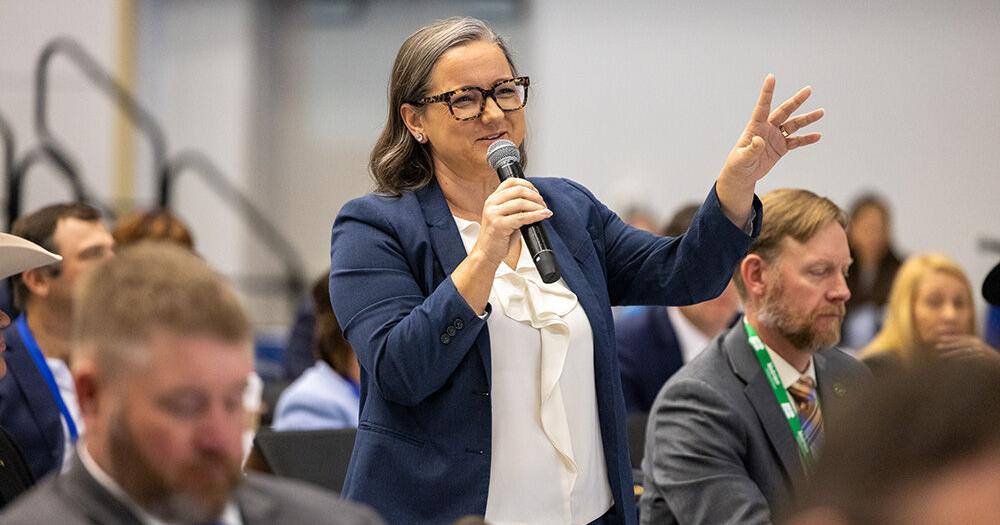
California delegates successfully promoted crucial changes regarding water use and table wine policies at the American Farm Bureau Federation (AFBF) Annual Convention held in Anaheim, January 9-14. These initiatives aim to enhance the agrarian landscape for California’s farmers, particularly as they prepare for legislative and regulatory efforts in 2026.
Major Updates to Water Use Policies
During the convention, the AFBF adopted four significant policy changes proposed by the California Farm Bureau. Among the updates were three revisions focused on water management. With the ongoing challenges in water rights and diversions from the Colorado River, the new policies aim to reaffirm agriculture’s priority use of these resources.
-
Promotion of Agriculture in Colorado River Diversions
The updated policy emphasizes that agriculture should remain the primary focus of Colorado River resource allocation. -
Federal Investment in Water Development
AFBF now prioritizes federal funding for enhancing water storage, recharge, and conveyance projects across the western United States. This adjustment aims to address urgent water storage needs, crucial for agricultural sustainability. -
Modernization of Water Management Policies
Outdated provisions regarding the U.S. Bureau of Reclamation were removed, making way for a modern approach to water oversight. This change is essential for establishing a clear guiding federal agency that can oversee complex water management issues in the West.
Addressing Wine Market Challenges
In addition to water policies, the California Farm Bureau highlighted a serious loophole in the U.S. duty drawback program, which has created an uneven playing field in the wine market. The program currently permits large companies to import foreign bulk wine and recover nearly all associated taxes, yielding a significant competitive advantage.
By advocating for closing this loophole, the California Farm Bureau aims to protect domestic wine grape growers and restore fairness within the market. The AFBF delegates supported this initiative, aligning national policy with California’s pressing concerns for its wine industry.
Member Engagement and Policy Development
California Farm Bureau President Shannon Douglass noted the importance of grassroots involvement in shaping these policies. Engagement from members at the county level is crucial in developing effective solutions for agricultural challenges.
Matthew Viohl, a federal policy director for the California Farm Bureau, explained that the inclusion of these policies in the AFBF framework strengthens the advocacy efforts in Washington, D.C., allowing for better engagement with lawmakers.
Continued Efforts in Labor and Immigration Policies
The AFBF is also revising workforce and immigration sections in its policy book, which have become increasingly complicated. As agricultural labor challenges persist, the organization aims to streamline these policies, making it easier for all stakeholders to align behind comprehensive labor legislation.
California’s Impact at the National Level
The conference attracted 4,500 participants, including key leaders from various sectors of agriculture. California’s representation was notable, with discussions focused on adapting disaster assistance and crop insurance to better accommodate specialty crop producers.
Workshops also covered pressing topics such as mental health in agriculture, family farm initiatives, and other significant agricultural workforce reforms.
Young Farmers and Ranchers Recognition
Significant accolades were awarded to members of California’s Young Farmers & Ranchers (YF&R). Ben Abatti and Leah Groves both advanced in national competitions, highlighting the expertise and leadership within California agriculture.
Community Support Initiatives
In a move to promote health and safety among farmworkers, California Farm Bureau participated in the Farm Bureau Gives Back campaign, distributing heat-safety kits containing essential items like sunscreen and hydration supplies.
For updates on these vital agricultural policies and community initiatives, visit the California Farm Bureau’s official website.
By advancing these essential policies, the California Farm Bureau is paving the way for a more sustainable and equitable agricultural future while ensuring that the voices of its members are heard at the national level.
