

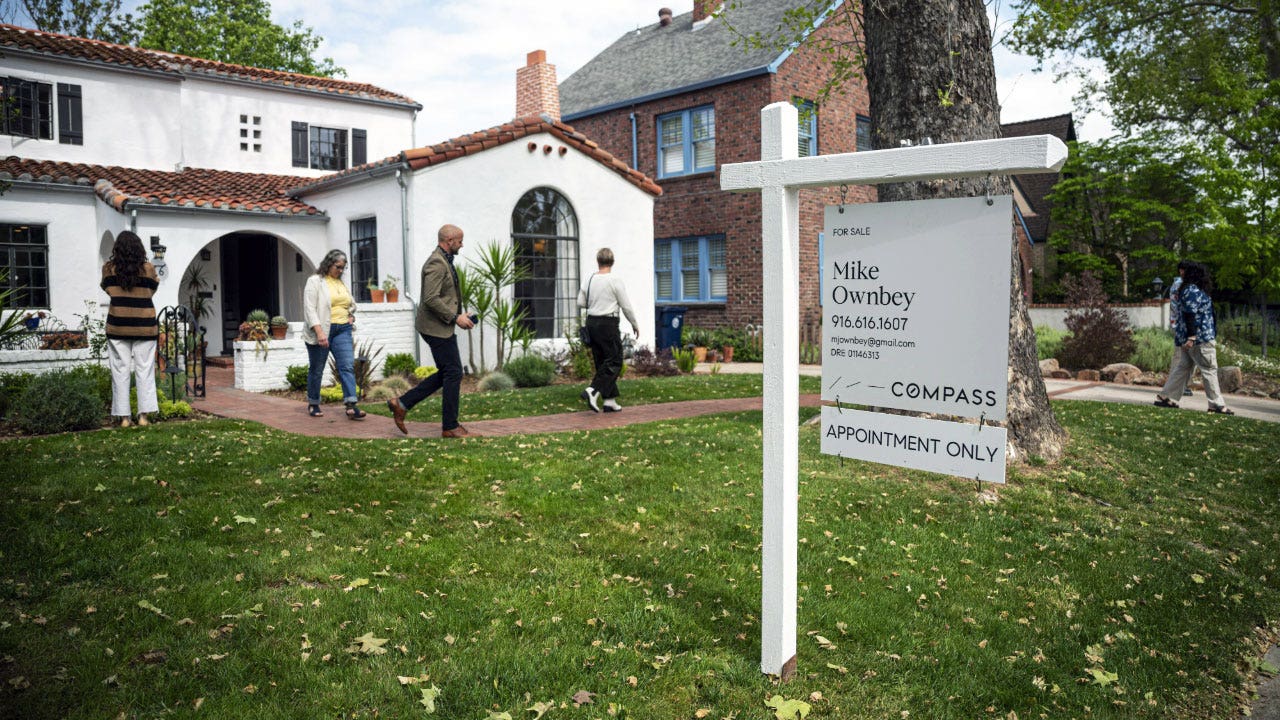
California’s Housing Crisis: Challenges of Affordability and Supply
As California grapples with an ongoing housing crisis, home prices continue to soar, placing homeownership out of reach for many middle-income workers. The high cost of living has solidified the state’s position among the least affordable housing markets in the United States.
The Core of the Issue
According to Realtor.com senior economic research analyst Hannah Jones, the crisis primarily originates from a persistent housing shortage that stems from a significant disconnect between demand and supply. This structural mismatch has led to housing prices that far exceed what many residents can reasonably afford.
Despite some fleeting periods of moderate price growth, California’s long-term inventory levels remain worryingly low. In fact, listings still lag far behind the numbers seen before the pandemic.
Factors Contributing to the Crisis
Several factors exacerbate California’s housing challenges:
-
High Construction Costs: The ongoing increase in materials and labor costs significantly impacts the affordability of new housing units.
-
Lengthy Permitting Processes: Regulatory hurdles make it difficult for builders to bring new homes to market quickly, thereby slowing down the supply of affordable units.
-
Limited New Supply: The lack of new construction, particularly affordable homes, is struggling to keep pace with the state’s population growth, perpetuating high prices and forcing residents to seek less expensive markets elsewhere.
Explore California’s Housing Market Challenges
Current Inventory Levels
In December 2025, California reported roughly 56,000 active listings, an 11% increase year-over-year. However, this figure still falls short of the expected 70,000 to 90,000 listings typically found during peak seasons before the pandemic. The state briefly observed an inventory peak of nearly 78,000 listings in July 2025, underscoring normalization from an extremely tight market, yet not enough to restore balance.
Economic Implications
Jones emphasizes that these trends have reshaped California into one of the most unaffordable states for housing. The median-earning household now allocates a disproportionately high percentage of their income toward housing costs compared to households in other states.
Regional Challenges
Cities like Los Angeles and San Jose exemplify the affordability crisis, where incoming buyers must allocate a significant portion of their income to meet mortgage payments. For many, this reality places homeownership squarely out of reach.
Learn More About Regional Housing Affordability
Million-Dollar Listings
The market remains robust at the high end, with approximately 17,000 active million-dollar listings across California as of December 2025. Despite representing a typical seasonal low, this number is around 9% greater than the previous year, indicating a substantial increase in the overall price distribution.
Explore California’s Luxury Real Estate Market
Conclusion
As California struggles with its housing affordability crisis, the interplay between high construction costs, limited supply, and regulatory constraints continues to hamper the market. For many residents, the dream of homeownership in California may remain just that—a dream—unless significant changes are made to improve both the affordability and availability of housing.
Stay Informed on Real Estate Developments
California’s housing crisis highlights the urgent need for effective solutions to ensure that all residents have access to affordable living conditions in a rapidly changing economic landscape.
