

Controversy Surrounds Prediction Markets Amid Super Bowl Excitement
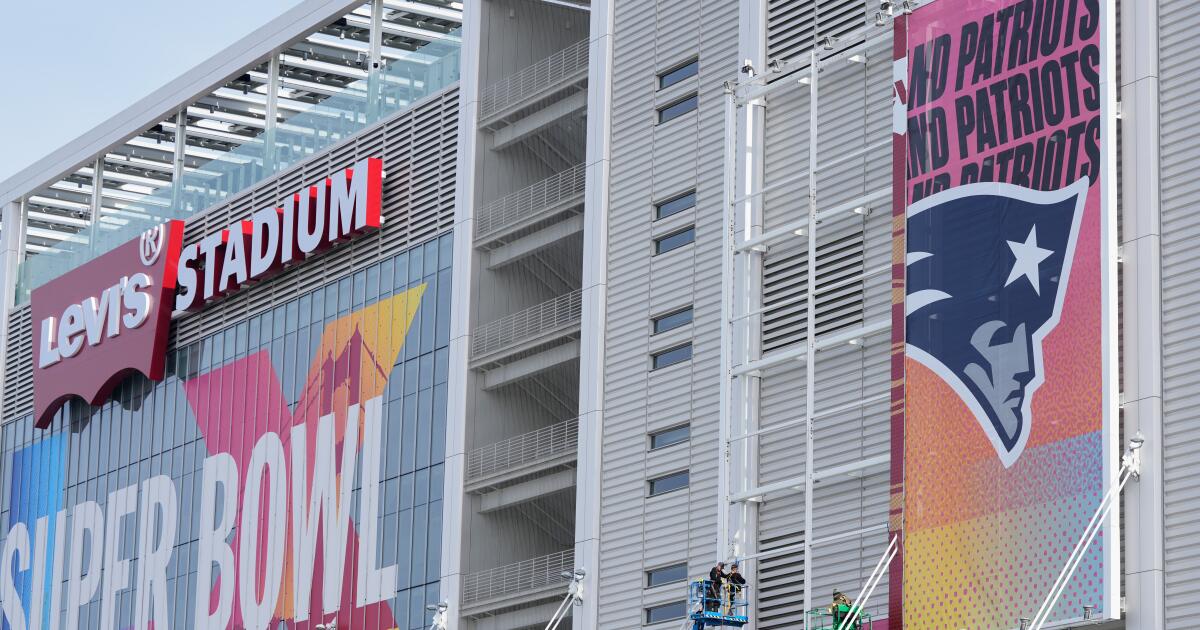
As the Super Bowl approaches, the excitement isn’t just about the game itself but also the unique betting landscape. Green Day ignited the crowd during the Super Bowl opening ceremony with a bold mention of “MAGA,” followed by Bad Bunny, who gave a spectacular start to the halftime show with “Baile Inolvidable.” Meanwhile, soccer superstar Lionel Messi is gearing up for an exciting experience at Levi’s Stadium in Santa Clara.
The Rise of Prediction Markets
Betting is a quintessential part of the Super Bowl experience, and Kalshi, a prominent prediction market platform, has raised eyebrows with its offerings. Users can wager on a variety of events, from predicting the winner of the game to off-field occurrences, such as celebrity appearances. For instance, users have speculated that the Seattle Seahawks have a 68% chance of outperforming the New England Patriots in Super Bowl LX.
Kalshi’s innovative approach allowed users to engage in sports contracts, generating over $150 million in volume predictions. These developments have drawn ire from California lawmakers, gaming tribes, and the NFL itself, who express concerns over oversight and legality in the state where sports betting remains illegal.
Legislative Concerns and Regulatory Challenges
California Representative Salud Carbajal raised alarms about the unregulated nature of these prediction markets, stating, “These wagers are happening on platforms that, in many cases, operate without proper oversight or safeguards.” The concerns revolve around potential violations of state laws and tribal agreements, especially given that California and ten other states have yet to legalize sports betting following the 2018 U.S. Supreme Court ruling, which removed restrictions previously limiting legal sports betting to Nevada.
The Commodity Futures Trading Commission (CFTC), which currently oversees these prediction markets, has faced criticism. Agencies like the Indian Gaming Association, represented by Victor Rocha, argue that these markets undermine state and tribal sovereignty, advocating for a more stringent regulatory framework.
NFL Stance on Prediction Markets
The NFL has explicitly banned prediction market advertisements during Super Bowl broadcasts. In a statement to Congress, NFL executive vice president Jeff Miller noted the league’s position on prediction markets, equating them to other forms of banned sports betting. Other sports leagues, like MLS, NHL, and UFC, may collaborate with prediction market companies, but the NFL’s restrictive stance highlights its commitment to maintaining the integrity of the game.
Legal Implications and Future Outlook
California Attorney General Rob Bonta is currently monitoring ongoing litigation surrounding prediction markets but has not yet taken direct legal action. His office has participated in amicus briefs arguing about the legality of these platforms under state and federal laws. Legal experts suggest that, while it may exist in a legal gray area, these markets need regulation to avoid misleading practices.
The prediction markets’ unique format allows users to trade “yes” or “no” contracts, constantly impacting odds and payouts. These markets have gained traction during events like the 2024 presidential race, drawing attention for their supposed accuracy compared to traditional polling.
Conclusion
With the Super Bowl on the horizon, the buzz surrounding prediction markets continues to grow. Concerns about their legality, the lack of state oversight, and the potential for insider trading raise important questions. As discussions unfold in legal arenas, one thing is clear: the future of prediction markets will directly impact how fans engage with sports betting.
For more insights on this evolving issue and the legality of prediction markets, check out Kalshi’s offerings and the implications surrounding sports betting regulations. Stay tuned as we monitor the situation leading up to the Super Bowl, where the stakes are high both on and off the field.
