

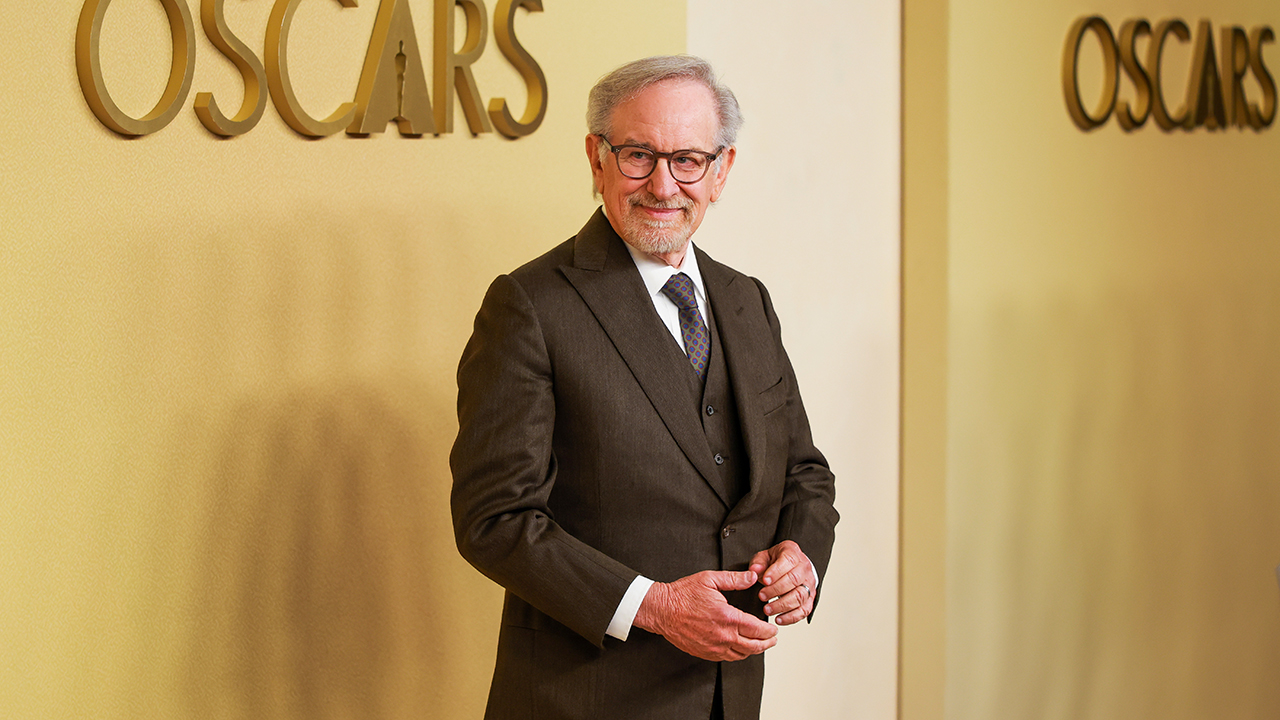
Steven Spielberg’s Move to New York: Billionaire Tax and Hollywood’s Wealth Exodus
The Shift from California to New York
Renowned filmmaker Steven Spielberg and his wife, Kate Capshaw, have officially become residents of New York City as of January 1. This significant move marks a considerable shift away from Hollywood, fueled by various personal and economic factors.
Relocation Details
The couple has settled into the San Remo, a historic co-op on Central Park West, previously home to celebrities like Bono, Mick Jagger, and Tiger Woods. On the same day they established their New York residency, Spielberg’s production company, Amblin Entertainment, opened a new office in the city, signifying a strategic pivot from the traditional Hollywood landscape.
The Billionaire Tax Proposal
Spielberg’s relocation has sparked speculation related to a proposed 5% wealth tax in California aimed at individuals with a net worth of $1 billion or more. While this tax has not yet qualified for the November ballot, it has the support of various lobbying groups and proposes implementation by 2027. If approved, it mandates that Californians worth over $1 billion, as of January 1, 2026, would owe the tax—potentially costing prominent figures like Spielberg over $355 million based on his estimated net worth of $7.1 billion.
For additional details about the proposed tax, you can read more here.
The Impact of Tax Policies on High-Net-Worth Individuals
The discussion surrounding California’s wealth tax isn’t just limited to Spielberg. Many wealthy residents are increasingly considering relocating to states with more favorable tax conditions. This phenomenon, dubbed a wealth exodus, highlights growing concerns among high-net-worth individuals about the implications of residing in high-tax states.
Kevin O’Leary, Chairman of O’Leary Ventures, has commented on California’s proposed millionaire tax and its implications on America’s competitiveness globally, especially in comparison to emerging tech hubs like China. You can catch his insights on Varney & Co. here.
Spielberg’s Official Statement on Moving
Despite the timing of Spielberg’s relocation aligning with the proposed tax measure, a spokesperson for the director emphasized that the move was not motivated by tax considerations. According to Terry Press, Spielberg and Capshaw aim to be closer to their family in New York. Moreover, Press refrained from commenting on Spielberg’s stance regarding the proposed wealth tax initiative.
The Complexity of Residency
Should the tax measure secure voter approval, determining residency will involve nuanced evaluations. California’s Franchise Tax Board assesses residency based on a range of factors, including:
- Time spent in California
- Driver’s license state
- Location of family
- Social ties, such as membership in local clubs
Read more about the implications of tax residency here.
Spielberg’s Legacy in Film
Born in Ohio, Spielberg has amassed a legendary film career throughout various states, ultimately carving his niche in California. His body of work includes iconic films like Schindler’s List, Jurassic Park, and Saving Private Ryan. As he transitions to New York, the landscape of American cinema may continue to evolve.
For additional updates and information, you can visit Fox Business.
Conclusion
Spielberg’s move is indicative of a larger trend affecting wealthy residents in California and beyond. With evolving tax policies and shifting family commitments, many are reevaluating their residency and future in the state. As filmmakers and billionaires navigate these changes, the implications for wealth distribution and economic landscapes will continue to unfold.
