

The Majestic California Condor: A Conservation Icon
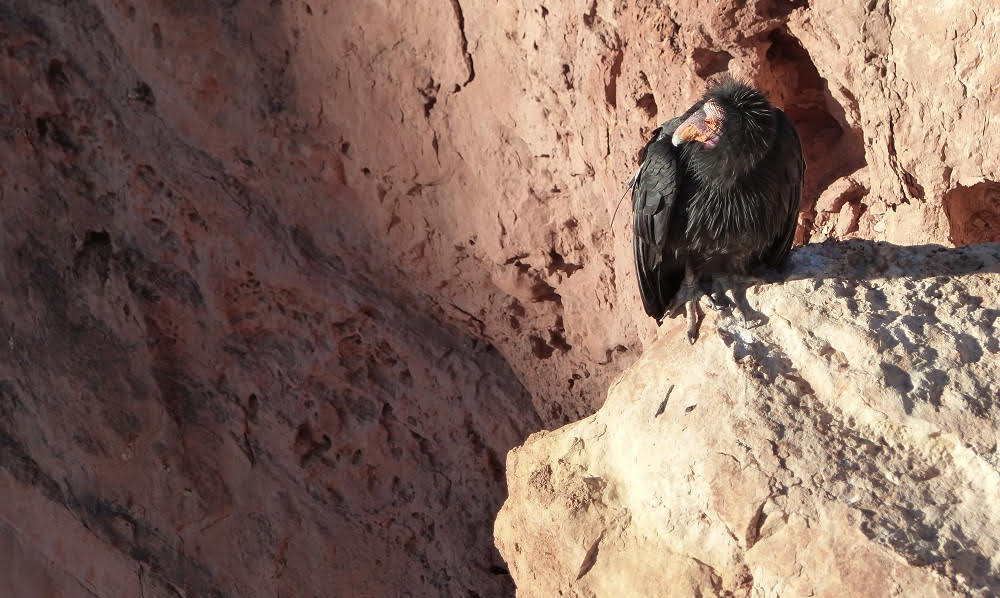
Condor perched in Marble Canyon
NPS/Wayne Hartlerode
Overview of the California Condor
The California condor (Gymnogyps californianus) stands as one of the largest and rarest birds in the world, boasting an impressive wingspan of 9 to 10 feet and a weight of up to 25 pounds. Closely related to the turkey vulture (Cathartes aura) and the Andean condor (Vultur gryphus), the California condor is a vital part of the ecosystem. These magnificent birds primarily feed on carrion, making them essential scavengers in their natural habitats.
Unique Physical Characteristics
Bald heads and necks, which are characteristic of the condor, serve a functional purpose. These features prevent rotting meat from clinging to them while they feast on large, dead animals. After a meal, condors often engage in cleaning behaviors — rubbing their heads and necks on grass, rocks, or tree branches. Bathing is a regular part of their routine, as they can spend hours drying their feathers in the sun. Remarkably, these birds can live up to 60 years, with reproductive maturity typically occurring around 5 to 6 years of age.
Historical Range and Decline
Historically, the California condor roamed across southern North America, taking advantage of the late Pleistocene megafauna, which included colossal mammals such as mammoths, camels, and sloths. Fossil evidence indicates that these majestic birds could be found as far east as New York and Florida. However, as these large mammals disappeared, so too did the condors from many of their original habitats.
The Shift to the Pacific Coast
The species became limited to the Pacific Coast, spanning from Canada to Mexico. Notably, the condor started to reappear in the southwestern United States in the 1700s, a change spurred by the arrival of livestock such as cattle, horses, and sheep, which provided new food sources. Unfortunately, the California condor faced drastic population declines beginning in the early 1900s due to factors such as carrion poisoning aimed at predator eradication and illegal collection of both condors and their eggs.
The Last Wild Condor
The last known sighting of a wild California condor in Arizona occurred in 1924, south of the Grand Canyon. From that point on, the future of this iconic bird appeared dire.
Conservation Efforts
In recent years, numerous conservation programs have worked tirelessly to preserve and rehabilitate the California condor population. These initiatives include captive breeding and reintroduction into the wild. Organizations such as the California Condor Recovery Program have played critical roles in the recovery efforts.
Conclusion
The California condor is not just a bird; it embodies a significant part of America’s ecological history and conservation challenges. Understanding its history, characteristics, and the ongoing efforts for its survival underlines the importance of wildlife conservation. For more information on these fascinating creatures, explore resources from the National Park Service and dive deeper into the stunning world of the California condor.
