

License Plate Readers Spark Debate in Southern California
Residents of Southern California are encountering new license plate readers operated by Customs and Border Protection (CBP), sparking controversy and confusion. These cameras, strategically placed along California’s border with Mexico, are part of a broader surveillance strategy that has raised significant concerns among privacy advocates and local residents alike.
Hidden Surveillance on the Border
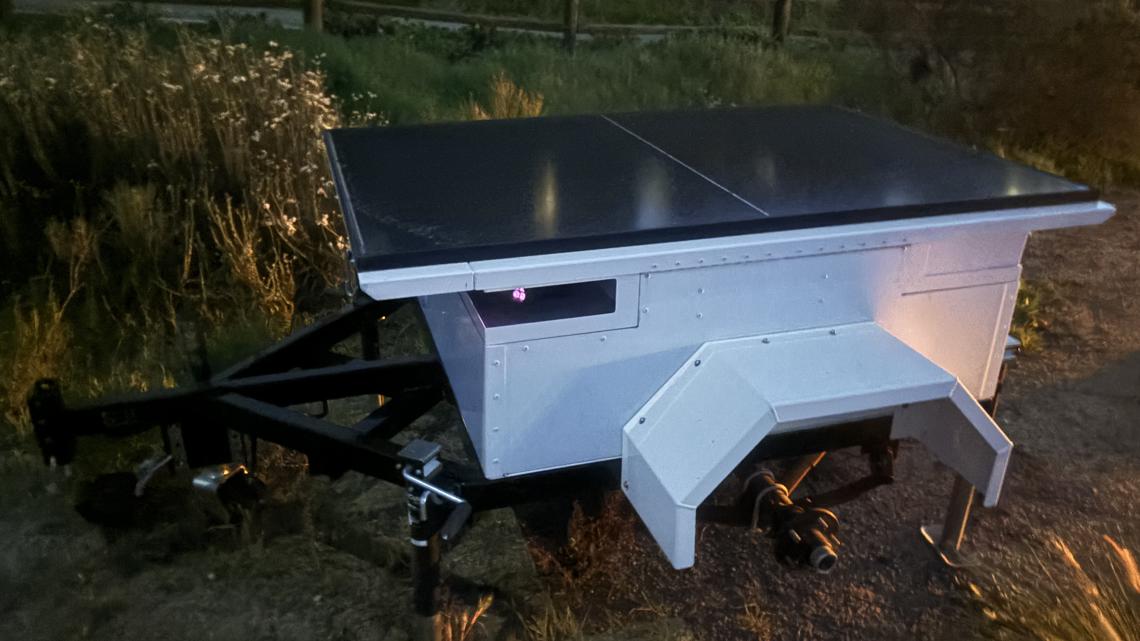
In a remote area of San Diego County, James Cordero discovered hidden cameras inside abandoned trailers, which are part of a growing network of license plate readers designed to log vehicle information along highways connecting San Diego to the Arizona state line. Cordero, who is active in humanitarian aid for migrants, has identified numerous such devices scattered across border regions, including locations near Highway 80 and Interstate 8.
These installations began appearing following permits granted to border enforcement agencies in late 2020, during the Biden administration. Currently, it’s estimated that around 40 of these readers are in use, feeding data into federal databases. This has led to increased concerns regarding the implications for privacy and the potential for unwarranted surveillance.
Privacy Concerns
Civil liberties experts argue that the proliferation of these license plate readers represents an intrusive surveillance network infringing on the rights of law-abiding citizens. Critics express that California should not endorse a program linked to aggressive deportation strategies. Many advocate against what they see as unreasonable government intrusion into everyday life.
Supporters of the system argue that these license plate readers are essential for quickly identifying suspects involved in serious crimes, as well as patterns related to drug and human trafficking, and even for locating missing persons.
“If you’re not doing anything illegal, why worry about it?” questioned Allen Stanks, a local resident. Yet, some community members have reported odd encounters with Border Patrol agents, raising questions about the readers’ impact on personal freedoms.
Encounters with Border Patrol Agents
Cordero, who volunteers to aid migrants by leaving food and water in remote areas, expresses concern for his colleagues, fearing that they may face questioning or detention due to the surveillance. His worries are heightened by past incidents where humanitarian workers faced legal repercussions for helping migrants.
Reports indicate that residents have had unsettling experiences, such as when CBP interrogated a grandmother about her visits to a local casino, prompting outrage among community members who question the motivations of such investigations based on ordinary behavior.
Transparency Issues
Despite the sweeping implementation of these surveillance systems, Border Patrol provides limited information about their operations. A 2020 report from the Department of Homeland Security described the technology but revealed little about its specific applications. Cordero criticized the lack of transparency, stating that residents remain largely unaware of how and why their movements are being monitored.
Information gathered by these license plate readers can include vehicle make and model, registration state, and the vehicle’s GPS location. This technology extends beyond federal agencies; local entities, businesses, and even schools might have access, raising additional privacy concerns.
Advocacy for Change
Recent developments have prompted calls for action against these covert surveillance measures. The Electronic Frontier Foundation (EFF) and a coalition of advocacy groups have urged state officials to revoke permits allowing federal agencies to install these readers along California highways. They contend this undermines local privacy laws designed to protect residents.
Dave Maass from the EFF argues that by allowing federal agencies to install these readers, California is circumventing state laws that prevent sharing license plate data across jurisdictional lines. He expresses skepticism about the justification for monitoring individuals, asserting that the main targets could very well be the local population rather than the intended criminals.
Understanding the Regulatory Framework
In response to inquiries, the California Department of Transportation (Caltrans) confirmed the issuance of eight permits for federal agencies to install readers along highways. However, they clarified that they don’t manage data collected nor determine equipment use.
California law is intended to restrict the sharing of license plate data with federal immigration authorities, yet discrepancies persist. Investigations indicate that various local law enforcement agencies have shared data with CBP, highlighting a regulation enforcement gap.
Conclusion: A Rising Concern
As surveillance technology continues to evolve, the delicate balance between safety and privacy becomes increasingly complex. Residents of Southern California are left navigating this uncertain landscape, grappling with the implications of being monitored in their everyday lives.
Throughout this ongoing situation, the dialogue between law enforcement and community rights will play a pivotal role in shaping the future of surveillance practices on the U.S.-Mexico border. The conversations around this issue are not only important for local residents but vital for the broader discourse on privacy rights across the nation.
For further details and community updates, visit CalMatters and stay informed on local legislative actions affecting your rights.
