

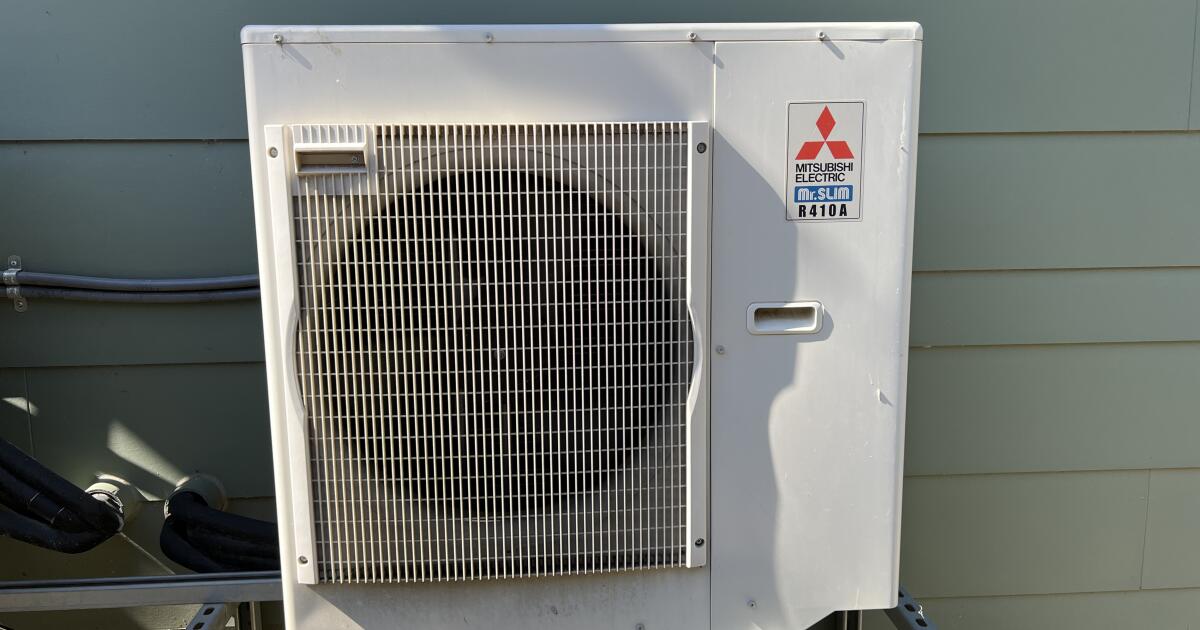
Heat Pumps: A Climate-Friendly Heating Solution for California Homeowners
If you’re a homeowner in California feeling the winter chill, considering a heat pump might be worthwhile. As an all-electric and energy-efficient alternative to traditional gas-burning furnaces, heat pumps are increasingly recognized as the climate-friendly home heating solution of choice.
What is a Heat Pump?
Heat pumps serve dual purposes—they can heat your home in winter and cool it during summer. Unlike conventional furnaces that blast heat and then cool off, heat pumps maintain a consistent indoor temperature, providing comfort throughout the year.
The California Heat Pump Dilemma
However, California faces a unique challenge known as the heat pump conundrum. Despite ambitious plans to reduce greenhouse gas emissions and the need for efficient electrification of buildings, the state’s residential electricity prices are among the highest in the nation, making heat pumps less appealing to many homeowners.
California’s goals include installing 6 million heat pumps in homes by 2030 to move away from fossil fuel-based systems. This effort is supported by legislative incentives aimed at facilitating the adoption process, such as streamlining permitting and promoting electrification.
A Closer Look at Energy Costs
A recent study from Harvard University sheds light on the economic factors affecting heat pump adoption across the U.S. By analyzing residential energy costs and winter temperatures nationwide, researchers identified that households in the American South and the Pacific Northwest would benefit financially from switching to heat pumps. Conversely, typical households in northern Midwestern states may experience increased utility costs due to harsher winters and lower natural gas prices.
In California, electricity costs complicate the situation. While the coastal climate is suitable for heat pumps, high electricity rates can make switching from gas furnaces to heat pumps a costly decision—especially in counties with larger homes or colder winters.
Understanding the Thermodynamics
Quentin Gee from the California Energy Commission emphasizes that heat pumps operate differently than gas furnaces. They use a refrigerant that extracts heat from the outside air and transfers it indoors, leading to higher efficiency. In certain regions, even with high electricity costs, heat pumps can compete with gas in terms of operating expenses. For example, in areas with lower utility rates, such as Sacramento’s SMUD, homeowners may realize significant savings.
The Role of Solar Energy
Some California homeowners are leveraging solar panels to make the switch to heat pumps more manageable. For instance, Doug King, a green building consultant, found that his solar system almost completely offset the cost of operating his heat pump. Even if initial investment remains high, the long-term benefits can outweigh upfront costs.
The Current Heating Landscape
Despite California’s aspirations to reduce fossil fuel reliance, nearly two-thirds of homes still use natural gas for heating—far above the national average of 51%. According to UC Berkeley energy economist Lucas Davis, energy prices significantly influence whether homeowners opt for electric heating.
Addressing Upfront Costs and Long-Term Savings
Heat pumps, while efficient, can be pricey to install, often costing thousands of dollars. Therefore, various state and federal initiatives aim to reduce these upfront costs. California’s multifaceted strategy includes:
- Enforcing building codes promoting all-electric homes.
- Setting rate rules and managing utility rebate programs.
- Offering rebates and incentives for lower-income households.
Overcoming Electricity Price Challenges
California’s Legislative Analyst’s Office has issued warnings about the state’s burgeoning electricity rates, which are nearly double the national average and rising at a rate outstripping inflation. These high costs could deter homeowners from transitioning to electric appliances, including heat pumps. Addressing affordability is crucial for achieving California’s climate goals.
In summary, while heat pumps represent a significant stride toward sustainable heating, the complexities of installation costs and the impact of high electricity prices present real challenges for many Californians. Awareness of these factors can empower homeowners to make informed decisions that align with both their budget and environmental values.
For more information on how to effectively integrate heat pumps into your home, check out resources from the California Energy Commission and U.S. Environmental Protection Agency.
