

Northern California’s Water Resource Update: March 2023 Insights
As March unfolds, it’s time to reflect on Northern California’s water resources following the wettest months of the water year. The winter months of December, January, and February have come to a close, leaving behind a complex mix of rain and snow conditions that will impact the state’s water supply moving forward.
Evaluating Winter’s Impact on Water Resources
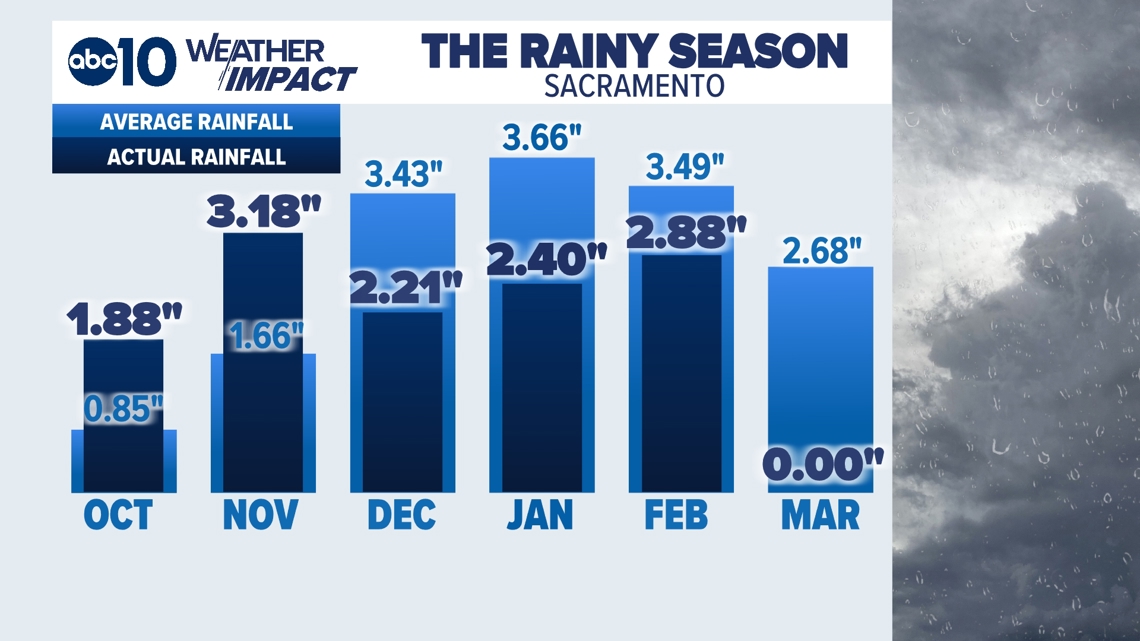
While assessing whether the winter has been favorable requires nuanced analysis, it’s safe to say that it landed in the “average” category. Sacramento has received approximately 12.55 inches of rain since the water year began on October 1, falling just short of the expected 13.31 inches. Therefore, the city sits at 0.76 inches below the norm, suggesting that while rainfall hasn’t been exceptional, it hasn’t been disastrous either.
Rainfall Patterns
Interestingly, rainfall distribution has been uneven this winter. Historically, December, January, and February are expected to deliver the bulk of the rain, but this year, each month recorded about an inch less than the average. Thankfully, the significant rain in October (1.88 inches) and November (3.18 inches)—which far exceeded the typical amounts—has helped mitigate the overall shortfall for the water year.
Current Reservoir Status
The early rain and consecutive wet winters have bolstered Northern California’s reservoirs significantly. Major reservoirs, including Shasta, Trinity, and Oroville, are currently well above average and nearing capacity:
- Shasta: 85% of capacity, 117% of normal
- Trinity: 88% of capacity, 130% of normal
- Oroville: 86% of capacity, 132% of normal
These conditions are a stark contrast to March 2022, when Shasta was languishing at just 31% of capacity, emphasizing the vital role of the current season in replenishing water supplies.
Snowpack Conditions
In terms of snowpack, the situation varies considerably across the Sierra Nevada:
- Northern Sierra: 42% of average
- Central Sierra: 63% of average
- Southern Sierra: 86% of average
On a state level, California’s snowpack registers at 62% of the March 2nd average, which is a significant improvement over previous seasons but still below expectations. Historically low levels of snow at the beginning of the winter mean it would require a miraculous March to reach averages, though that possibility can’t be entirely ruled out.
What Lies Ahead: Weather Patterns for March
Even with the wettest months behind us, March still holds potential for significant rainfall. Sacramento, which averages 2.68 inches of rain for March, can still experience wet weather despite the mild start to the month. The early days of March are expected to be warmer and drier, but rest assured that this is not the end of rainfall possibilities.
In fact, while many might find themselves enjoying the unseasonably sunny and warm conditions, history reminds us that March can deliver unexpected storms. The month can swing both ways— as evidenced by unusual patterns in recent years, including Miracle Marches like that of 2018, when the region saw over 5 inches of rain.
Conclusion
As we navigate through March, the potential for significant rain and snow remains. With an average performance this winter and solid reservoir conditions, Northern California is poised to face the spring months with robust water resources. Yet, the variability of weather in March keeps anticipation alive for what could unfold in the weeks ahead.
For further updates on California’s weather patterns and water resources, visit the California Department of Water Resources and stay informed about predictions and record-keeping that affect water availability across the state.
