

Huntington Beach’s Political Landscape Shifts: A Potential LGBTQ Representative Takes Center Stage
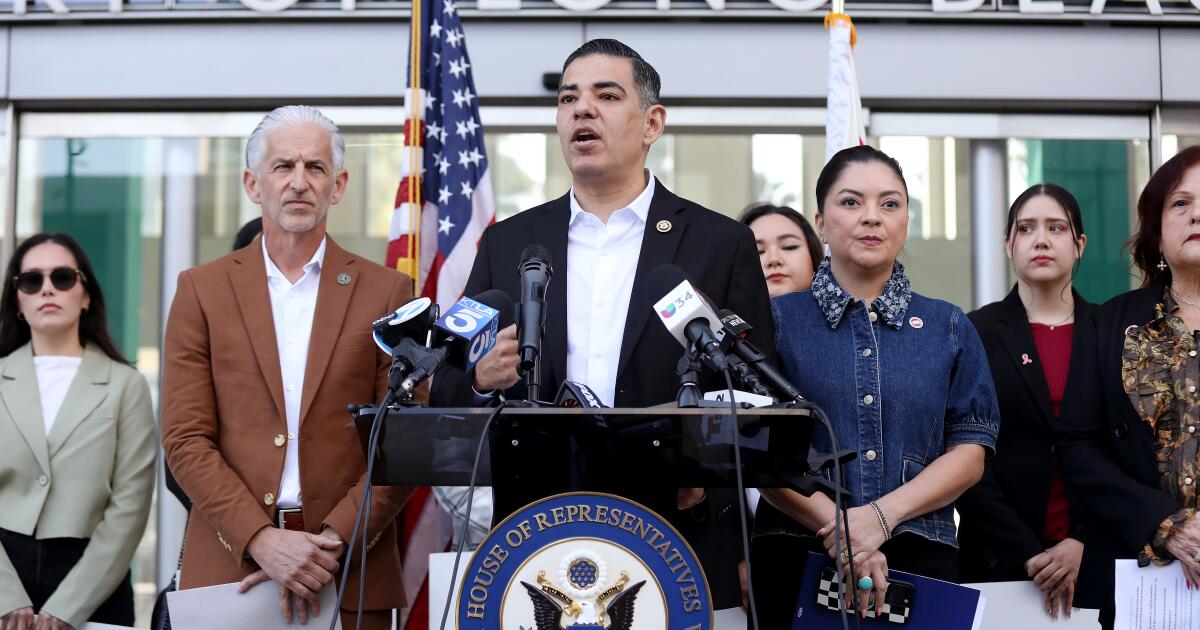
Two years after Huntington Beach residents voted to effectively ban Pride flags on city property, the coastal city finds itself in a surprising political twist. Representative Robert Garcia, an openly gay politician and vocal critic of former President Trump, is vying for a congressional seat that now includes this conservative enclave.
Redistricting and Democratic Strategy
This change in representation owes itself to California’s unprecedented congressional redistricting efforts, reshaping district lines to promote competitive Democratic candidates. In November, voters passed Proposition 50, aimed at dismantling Republican gerrymandering, particularly with the goal of aiding Democrats in reclaiming the House of Representatives.
The reshaping of California’s political landscape has caused tremors within both parties, with veteran Republicans like Darrell Issa announcing retirement plans and others like Kevin Kiley transitioning to independent status. The newly drawn 42nd District, anchored in Garcia’s Long Beach base, now includes Republican-leaning towns such as Huntington Beach and Newport Beach, effectively shifting the district’s political makeup.
An Opportunity Amidst Challenges
Despite the rightward shift, the new district holds a Democratic majority. In a potential 2024 presidential race, the district showed a 13-point margin favoring former Vice President Kamala Harris, suggesting that Garcia still has a viable path to victory. Paul Mitchell, a redistricting expert, noted the irony: the district’s new lines grant Garcia access to communities whose City Councils often clash with his values.
While Garcia has yet to comment publicly on the new district, he is expected to leverage his influence as the top Democrat on the House Oversight Committee to push back against the Trump-era policies, especially if Democrats regain the House majority in the upcoming election.
New Voters, New Challenges
Garcia will need to win over Huntington Beach constituents who are largely represented by Rep. Dave Min (D-Irvine). Min, who secured his seat in 2024 and is now facing a slightly more Democratic voter base, notes the importance of connecting with new constituents. “I have a lot of voters to introduce myself to,” he stated, emphasizing his commitment to delivering on promises while engaging with community concerns.
In the neighboring district, Republican representatives Young Kim and Ken Calvert are locked in a fierce contest for what remains one of the region’s few solid Republican seats following Proposition 50. Each candidate must now differentiate themselves in an oversaturated primary landscape, as many Republican voters find it challenging to distinguish between them.
Major Departures and Electoral Shifts
Darrell Issa’s decision not to seek reelection surprised many, given his prominence in California politics. Having served for over two decades, his retirement marks a significant shift, particularly as the newly drawn districts less favorably represented Republicans. Issa’s past controversies, including his role in the Benghazi investigation, may have contributed to the changing tides.
On the other hand, Kevin Kiley, another Republican formerly representing parts of Northern California, has announced his campaign as an independent candidate in the newly configured sixth district. His shift comes amid growing frustration over the partisanship in Congress and emphasizes his alignment with constituents over party lines. This decision leaves him without the backing of the Republican Party, presenting unique challenges for his campaign.
Evolving Districts and Upcoming Rivals
As traditional political affiliations evolve, long-serving Democrats like Rep. Brad Sherman may find themselves facing younger, more progressive challengers due to the influx of new Republican voters in their districts. Similar challenges loom for incumbents Doris Matsui, Mike Thompson, and John Garamendi, who are all encountering competitive races against a wave of fresh candidates.
These electoral dynamics, fueled by the new congressional maps, not only challenge current incumbents but are also pushing them to engage more actively with their constituents. Matt Rexroad, a Republican strategist, highlights that the prospect of facing one another in a primary has galvanized candidates to campaign more vigorously.
Conclusion
As Huntington Beach gears up for the upcoming elections, it is clear that the political landscape is shifting dramatically. Representative Robert Garcia’s candidacy represents a significant step towards diversity in a region that has traditionally leaned conservative. With new lines drawn and political loyalties in flux, the 2024 race promises to be one of the most intriguing yet, shaping not just local governance but also reflecting wider national trends. For more on California’s political shifts, explore additional resources from the Los Angeles Times and Politico.
