

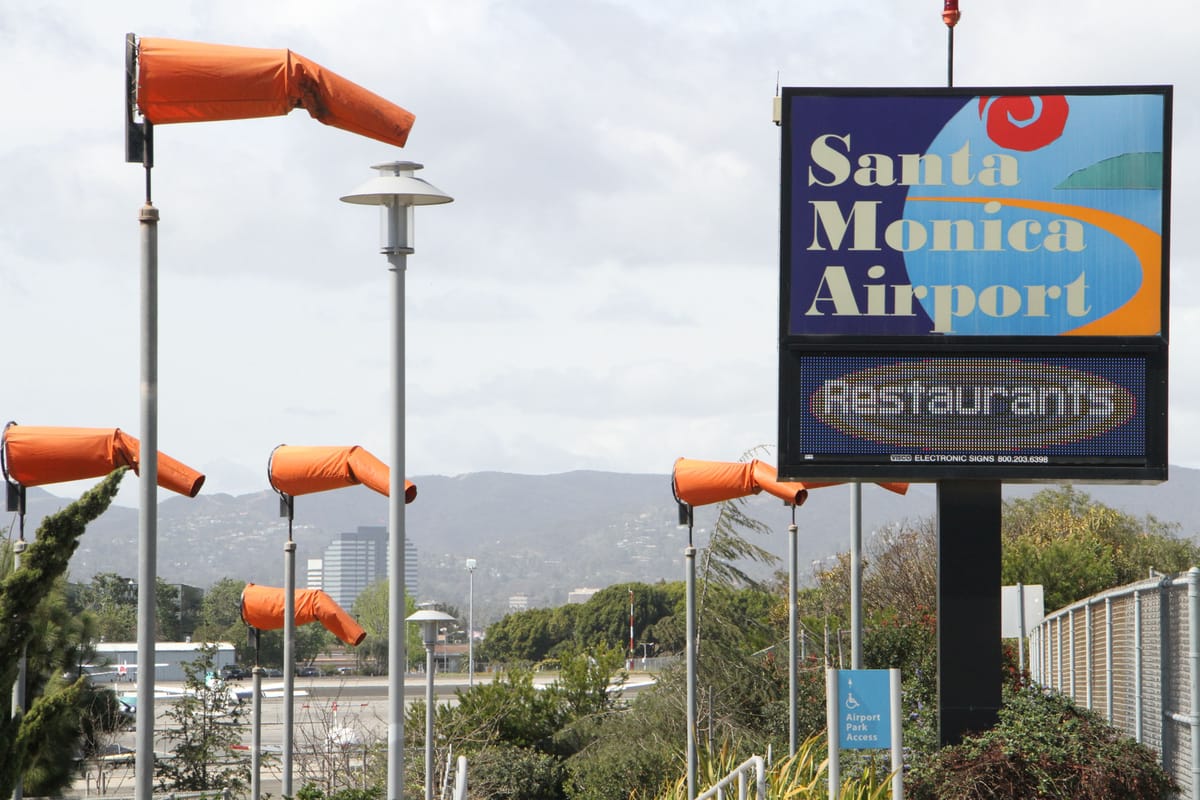
JSX Commences Scheduled Flights from Santa Monica Airport: What You Need to Know
In December 2025, JSX initiated scheduled flights from Santa Monica Airport (SMO) to Las Vegas, utilizing 30-passenger turboprop aircraft. Following this, service to Scottsdale commenced in January 2026. This development comes after the Santa Monica City Council approved JSX’s business permit and lease, bypassing the California Environmental Quality Act (CEQA) review process, which is critical for assessing potential environmental impacts.
Importance of Environmental Assessments
City Manager Oliver Chi highlighted the necessity for a “careful review” of qualifying aviation operations as the city moves towards the eventual closure of the airport. Under California regulations, this careful scrutiny falls under the CEQA framework, designed to evaluate environmental consequences associated with increased operational activities.
Clarifying Misconceptions
The current discussions surrounding JSX’s operations are not aimed at opposing the Great Park initiative or preventing airport closure. Rather, the focus lies on ensuring thorough environmental assessments for the intensified airport operations that accompany scheduled passenger services using larger aircraft.
Compliance with Federal Grant Assurances
According to the 2017 Consent Decree with the FAA, the city must adhere to federal grant assurances through 2028. Among these regulations is FAA Grant Assurance 22, which mandates equitable treatment of similarly situated aviation users. However, these obligations do not necessitate operational expansion or exempt local approvals from environmental assessments as enforced by state law.
Challenges with Current Approvals
The core issue rests on the city’s decision to approve actions that shift the intensity of airport operations, resulting in unforeseen impacts without a corresponding environmental study or mitigation plan. This oversight contradicts the very purpose of CEQA, which is to provide a comprehensive analysis of potential environmental effects.
Key Areas Needing Further Investigation
Several critical areas require further examination to ensure that all environmental impacts are adequately addressed:
- Changes in Use and Intensity: Assessing how increased operations will affect the airport’s environment.
- Accurate Baseline Conditions: Establishing a proper reference point for current conditions before flights expand.
- Cumulative Impacts: Evaluating the broader effects of increased operations on the community and environment.
- Ground-Level Effects: Analyzing how operations affect air quality and noise pollution at ground level.
- Ground Transportation and Parking: Understanding the ramifications of heightened passenger activity on local transportation and parking needs.
- Fueling and Emissions Assumptions: Preparing for increased fuel usage and emission outputs due to larger aircraft operations.
- Emergency Response Resources Evaluation: Reviewing whether current emergency resources are adequate to handle the increased passenger traffic.
Balancing Federal Compliance with State Environmental Law
Federal grant compliance and CEQA requirements must coexist harmoniously. If the city chooses to exercise discretion in approving new leases or changes in operations, CEQA can provide the necessary framework for the careful and transparent review that City Manager Chi has emphasized.
Future Steps Toward Airport Closure
The city’s recent drafts and confirmation that Santa Monica Airport will close by the end of 2028 represent positive strides towards the proposed Great Park initiative. Throughout this transition, it is imperative to maintain transparency and actively mitigate any adverse impacts associated with airport operations, aligning with both federal obligations and California environmental laws.
For a comprehensive overview of local environmental initiatives, visit LC Defense.
Understanding these dynamics is crucial as Santa Monica navigates the transition towards a future defined by ecological responsibility and community welfare.
