

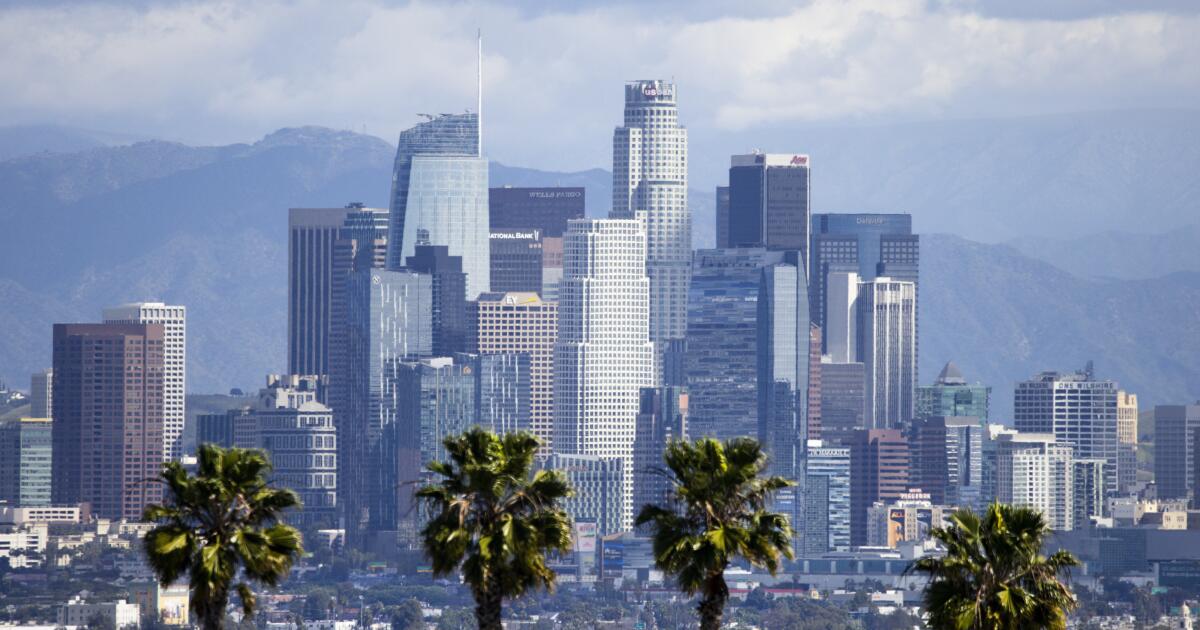
Rethinking Urban Development: Emphasizing Beauty in Housing Design
California has made significant strides in urban planning by upzoning many of its cities over the past five years. This initiative specifically targets an increase in multi-family housing within single-family zones around major transit stops. Such transit-oriented development not only addresses the pressing issues of homelessness and rent burdens but also contributes positively to climate change mitigation.
The Challenge of Housing Aesthetics
While the state has mandated cities to enhance housing availability, it has not provided a clear framework guiding the aesthetic aspects of this new growth. The residents of Los Angeles have distinct tastes regarding architectural beauty, often admiring the classic designs found in regions like Hancock Park and Beverly Hills, or marveling at iconic buildings such as the Bradbury Building.
However, the new multi-family rental developments often leave much to be desired. Amidst unparalleled wealth and advanced technology, many buildings constructed today appear overly simplistic and uninspired. Characterized by bland designs, such as large white boxes adorned with modest stepbacks and jagged rooflines, these structures may excel in functional metrics but fail to resonate with the human spirit.
The Disconnect Between Function and Form
Developers typically prioritize cost efficiency over aesthetics due to skyrocketing building expenses. Los Angeles’ current design standards focus primarily on functionality and compliance rather than on creating beautiful environments. The prevalence of the mid-rise “5 over 1” model—a unique Los Angeles innovation combining five stories of residential space above a single retail level—has largely contributed to the mundane aesthetic of contemporary developments.
With a growing admiration for historic buildings that evoke a sense of cultural richness, there is rising opposition against new housing that resembles the so-called “gentrification buildings”, which project a similarly dull appearance, whether they are categorized as luxury or affordable options.
The Need for Aesthetic Value in Urban Form
This increasing aversion to unattractive architecture underscores a vital point: the quest for beauty in urban planning is not merely a matter of preference but rather an essential element of civic engagement. When new constructions lack visual appeal and fail to invite interaction with their surroundings, community members can become resistant to changes proposed for housing and climate initiatives.
Insights from Urban Design Research
Recent studies by academics, including those from UC Berkeley and Yale, have illuminated the strong correlation between a building’s visual appeal and public support. Their findings indicate that people exhibit heightened resistance to developments they perceive as unattractive. Moreover, aesthetics, height, and neighborhood coherence significantly influence community sentiment toward new housing projects.
Additionally, research emphasizes that contemporary Americans have grown increasingly invested in aesthetics across various facets of life, indicating that attractive designs could play a pivotal role in garnering public approval for new housing initiatives.
Learning from Successful Models
Cities like Berkeley demonstrate how a focus on appealing architectural designs can bridge divides in public opinion. Projects that feature expressive designs garner appreciation even from critics, as evidenced by the popularity of the Trader Joe’s in downtown Berkeley—a structure celebrated for its aesthetic value and housing integration.
Los Angeles could adopt several strategies to enhance the beauty of new developments. For instance, implementing an ornamental facade alternative within its Objective Design Standards would encourage developers to consider visually engaging designs. Furthermore, creating pattern books—which offer pre-approved designs—could streamline the development process while ensuring aesthetic quality.
Embracing Innovation in Design
Advancements in materials and construction methods, such as timber-based and modular housing, can lead to more aesthetically pleasing outcomes. Revisions to building codes should foster innovation and reconsider low-value requirements that may hinder creative design solutions.
Conclusion: The Case for Beauty in Urban Growth
Recognizing beauty in urban design is not merely an indulgence; it’s a civic obligation. A thoughtfully designed city offers respect and dignity to its residents, influencing how they perceive and engage with their environment. As Los Angeles prepares to embark on its next phase of housing development, the mandate should be clear: prioritize beauty as a core component of urban planning.
Creating a landscape that is not only functional but also inviting and aesthetically pleasing can transform community perceptions, fostering a greater appreciation for new housing. By prioritizing beauty and innovation, cities can inspire a sense of pride among their residents and encourage meaningful engagement with urban growth and development.
For further insights into urban design principles and housing development, consider exploring related resources from the California Department of Housing and Community Development and consulting academic studies on housing aesthetics.
