

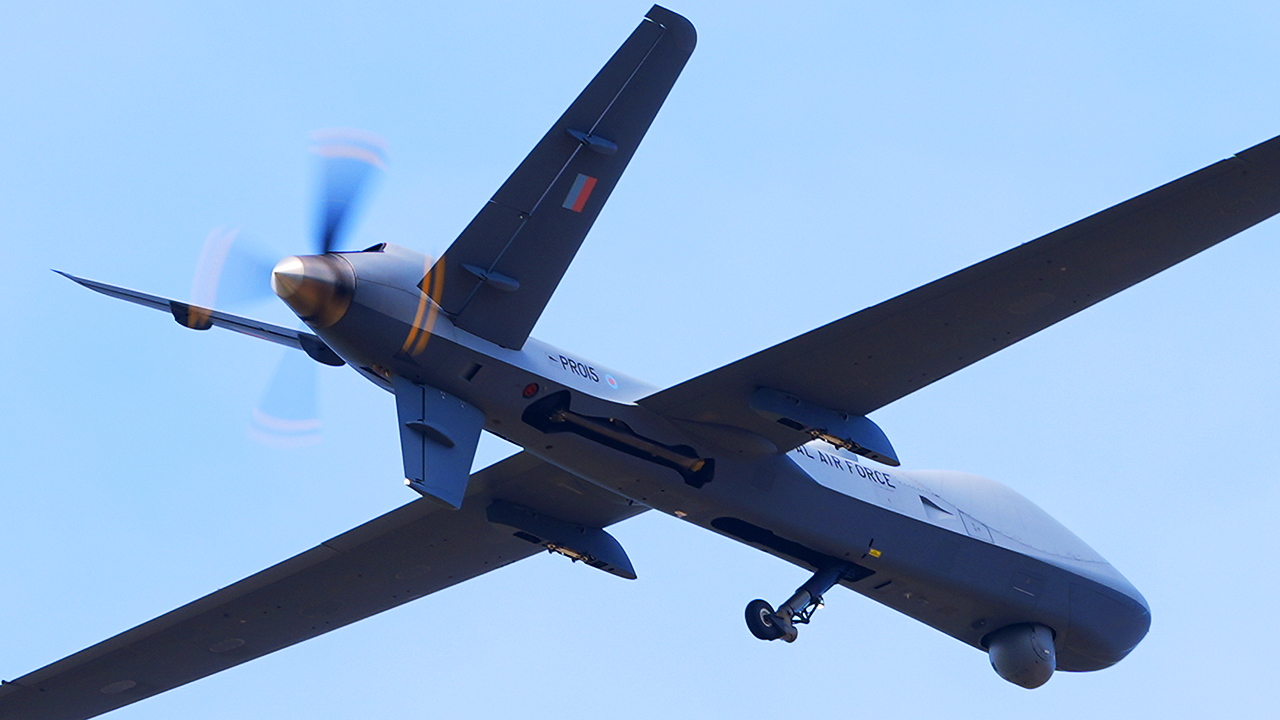
Rising Drone Threats: Iran’s Capabilities and U.S. Response
Understanding the Iranian Drone Threat
U.S. officials are on high alert following recent warnings about potential drone launches from Iran aimed at the California coast. These concerns spotlight the increasing use of low-cost unmanned aerial vehicles (UAVs) that could pose significant threats to urban areas across the United States. As Iran escalates its use of drone technology in military operations, the implications for national security grow more critical.
Expert Insights on Drone Detection and Defense
Jeff Thompson, CEO of Red Cat, recently shared insights on these emerging drone threats during his appearance on Mornings with Maria. He discussed how U.S. defense systems could effectively detect and neutralize adversarial drone launches directed at the coastline.
The Evolving Landscape of Drone Warfare
Iran has increasingly turned to drones in its military strategy, deploying both large strike-capable drones and smaller, more agile models. These drones can be launched in quick succession, mirroring tactics observed in conflicts across the Middle East and Eastern Europe. Such strategies often overwhelm conventional defense systems, highlighting the need for robust countermeasures.
U.S. Defense Preparedness Against Drone Threats
Thompson emphasized that potential drone launches off the California coast could be easily identified and intercepted. “If they’re trying to launch vertical-launch mechanisms off of small boats off the coast of California, it’s going to be very easy to find and very easy to kill,” he stated. This suggests that U.S. defense capabilities are prepared to tackle larger drone threats effectively.
Challenges with Smaller Drones
However, the challenge lies with smaller drones, which can be constructed using commercially available technology. These UAVs often operate at low altitudes, making them difficult to detect with traditional radar systems. “The really small ones like FPV drones are going to be very hard to battle because they’re just so quick,” Thompson remarked, highlighting the need for adaptive defense strategies.
The Future of Drone Defense Strategies
As drone warfare continues to evolve, experts like Thompson predict that future defense strategies will increasingly rely on large quantities of affordable counter-systems designed to intercept incoming threats. “It’s not humans anymore. It’s drone against drone,” he said, underscoring a shift in military dynamics.
Preparedness from State Officials
In response to the ongoing threat, California Governor Gavin Newsom stated on Wednesday that while he is “not aware of any imminent threats at this time,” the state remains “prepared for any emergency.” This proactive approach reflects an understanding of the evolving nature of warfare and the necessity for ongoing vigilance.
Conclusion
As the situation with Iran continues to develop, U.S. officials must remain vigilant against potential drone threats. The interplay between drone technology and national defense presents both challenges and opportunities for enhancing security measures. For those interested in more information on the implications of drone warfare and defense, further insights can be found on FOX Business.
Stay informed on this critical issue as developments arise in drone technology and national security strategies.
