

Crisis in California’s Wine Industry: Challenges and Opportunities
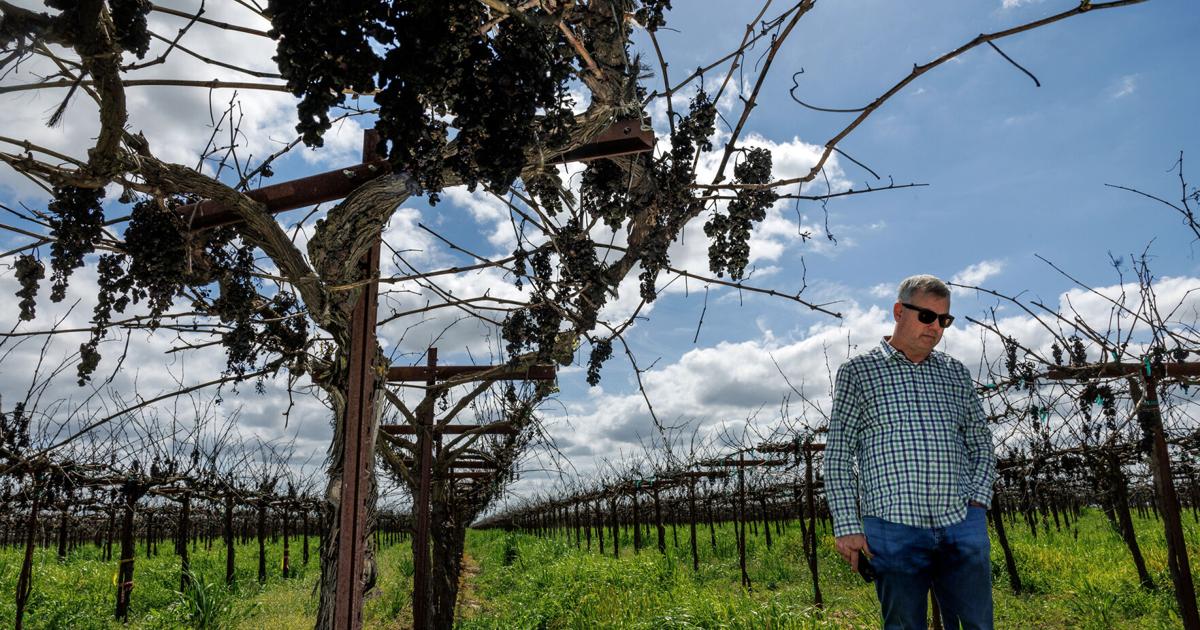
The California wine industry is facing a significant crisis, with many winery owners forced to abandon grapes on their vines due to economic pressures. For instance, Stuart Spencer, the owner of St. Amant Winery in Lodi, California, estimates he left about 50 tons of grapes to rot last fall because the cost of harvesting and processing them outweighed their market value.
Current Challenges Facing Wineries
Spencer highlights that wineries are struggling to remain viable amidst a combination of challenges, including:
- Weak Consumer Demand: A decline in interest among younger generations, paired with an aging clientele, has diminished overall wine consumption.
- Grape Oversupply: The market is oversaturated with grapes, leading to an imbalance in supply and demand.
- Import Competition: An influx of inexpensive bulk imports is driving down prices. Experts like Dale Stratton, a wine industry consultant, point out that major producers, including Gallo and Constellation Brands, are implementing layoffs and cutting back production to cope with these pressures.
Major layoffs have affected significant players in the industry, including Gallo, which has recently announced it will close facilities and lay off 93 workers. Jackson Family Wines and Constellation Brands are also reducing their workforce, citing similar economic conditions.
Historical Context of the Wine Industry
The origins of winemaking in California date back to the Spanish missions, when Father Junípero Serra cultivated grapes for religious purposes. The industry flourished during the Gold Rush, but faced significant setbacks during Prohibition in the 1920s, which decimated many wineries. Recently, the recognition from the 1976 “Judgment of Paris,” where California wines were celebrated above prestigious French wines, helped restore the industry’s reputation.
However, despite this legacy, since 2017, demand has plateaued. The pandemic initially increased alcohol sales, but this trend has since reversed.
Impact of Tariffs and Trade Policies
Federal policies, including tariffs on goods, have created additional stress for wineries. The U.S. wine export market has seen a drastic decline, with revenues falling 35% from 2024 to $805 million in 2025. A Canadian boycott on U.S. wines, partly in response to U.S. tariffs, has wiped out approximately $360 million in potential revenue.
The Wine Institute has urged Canadian authorities to reconsider these boycotts, highlighting the economic consequences for both U.S. winemakers and Canadian tax revenue.
Strategies for Survival and Adaptation
While larger wineries are making drastic cuts, smaller wineries are finding ways to adjust. One winery in Paso Robles reported laying off over a dozen employees and reducing vineyard acreage, expressing significant concerns about future uncertainties.
However, not all is bleak in the industry. Smaller producers like Field Recordings in Paso Robles are experiencing growth. Founder Andrew Jones notes that adapting to market trends and appealing to younger consumers has allowed them to thrive. By focusing on lighter, fresher wines and exploring innovative packaging options like bag-in-box wines, Jones sees potential for expansion in a changing market.
Conclusion: A Fork in the Road
The California wine industry stands at a critical juncture. The balance of supply and demand, shifting consumer preferences, and external economic pressures create both challenges and opportunities. As wineries navigate this tumultuous landscape, focusing on adaptability and understanding evolving customer desires will be essential for future success.
For more insights on the state of the California wine industry, visit Wine Institute for detailed reports and updates.
