

California’s Struggling Gas Price Regulation: An Unused Law Amid Rising Costs
Three years ago, California established a pioneering legislative framework designed to safeguard drivers from volatile oil markets. With support from the Legislature and the signature of Gov. Gavin Newsom, the law was branded a triumph over Big Oil. But as gas prices soar, the effectiveness of this law remains in doubt.
The Landmark Law and Its Inactive Status
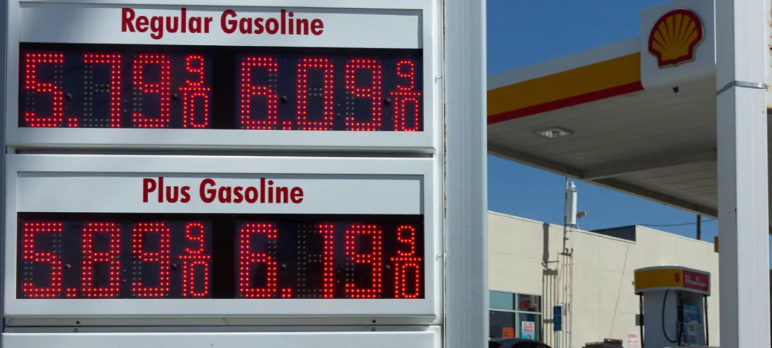
The legislation, attributed to then-Sen. Nancy Skinner, aimed to hold oil companies accountable for excessive profiteering that adversely impacts hard-working families. While it granted regulators the authority to cap refinery profits and penalize price gouging, it has yet to be implemented. Just last year, the California Energy Commission opted to postpone these regulations for five years, raising concerns, especially as current gas prices exceed $5.30 per gallon statewide.
Contributing Factors: A Perfect Storm for Rising Prices
The situation is exacerbated by ongoing global conflicts, particularly the war in Iran, which has caused oil prices to spike internationally. However, California faces a deeper issue: an inadequate number of refineries and limited external supply options. The state’s peculiar dynamics mean that national price increases often result in even steeper hikes locally.
Advocates argue that the current scenario is precisely what the 2023 regulations were intended to mitigate. The Energy Commission’s decision to delay regulations leaves room for reconsideration, depending on price trends.
Accountability vs. Industry Viability
Consumer advocates like Jamie Court of Consumer Watchdog argue that such regulations are necessary now more than ever, stating that price spikes lead to enormous profits for companies at the expense of consumers. Conversely, proponents of the delay contend that punishing refiners could prompt them to exit California altogether, leading to even greater shortages and higher prices.
The Shift in Energy Policy
Newsom’s recent actions signify a significant pivot from an aggressive stance against the oil industry. Following the California Energy Commission’s session in August, discussions revolved around whether to implement stringent profit-cap rules. At present, the state possesses critical measures — including mandatory fuel storage capacities — but enforcement appears dormant.
Newly established oversight divisions within the Energy Commission found unexplained price premiums, costing drivers approximately $59 billion from 2015 to 2024. Lawmakers and analysts alike express concern over the disproportionate influence held by a scant number of refiners in California.
The Impact of Refinery Closures
With the impending closure of Valero’s Benicia refinery and past closures by Phillips 66, California’s refining capacity is diminishing rapidly. As the state embraces its long-term goals of phasing out fossil fuels by 2045, it grapples with an acute dependency on gasoline, compounded by a shrinking supply chain.
Experts warn that fewer refineries will exacerbate price volatility during periods of high demand or disruptive events. The urgency behind maintaining California’s refining capacity is echoed in the responses from state leaders.
Global Oil Market Dynamics
The recent surge in gas prices aligns with distressing global oil market trends. The conflict in Iran has sent crude prices skyrocketing, influencing local gas prices in California. The situation is not exclusively due to state policies; however, California’s unique refineries make it especially susceptible to international disturbances.
As the transport routes for oil, particularly the strategic Strait of Hormuz, face disruptions, economists predict potentially catastrophic price increases that could bring California gasoline prices close to $7 per gallon if the crises prolong.
Proposed Solutions and Future Pathways
Amid these challenges, ideas for resolving California’s energy conundrum are emerging. Advocates like Siegel argue for the immediate implementation of profit-cap rules to safeguard against price gouging. Economists suggest converting existing refineries into import terminals to mitigate losses arising from refinery closures.
Innovative solutions such as the proposed Western Gateway Pipeline and expanding access to E85 fuel blends are also on the table, although timelines for such projects remain unclear as political negotiations continue.
Conclusion: A Risky Energy Landscape
As California approaches potentially critical milestones in energy policy reform, the original intent behind its gas-price regulations and accountability measures hangs in the balance. With the profit-cap rules on hold until 2029, the state faces a pressing challenge: how to shield consumers from gas price shocks while ensuring a reliable fuel supply without compromising its environmental commitments. The stakes could not be higher for the country’s most lucrative yet volatile fuel market.
For further insights into California’s energy policies, visit CalMatters and stay informed on developments affecting gas prices across the state.
