

The Impending Fuel Supply Crisis: What It Means for the U.S. and Asia
As global tensions rise, particularly in the Middle East, the potential for physical fuel shortages looms large. Experts in fuel supply-chain logistics are voicing concerns that unless oil flow restrictions through the Strait of Hormuz are eased swiftly, countries may face significant fuel supply issues within a matter of weeks.
Dependence on Middle Eastern Oil
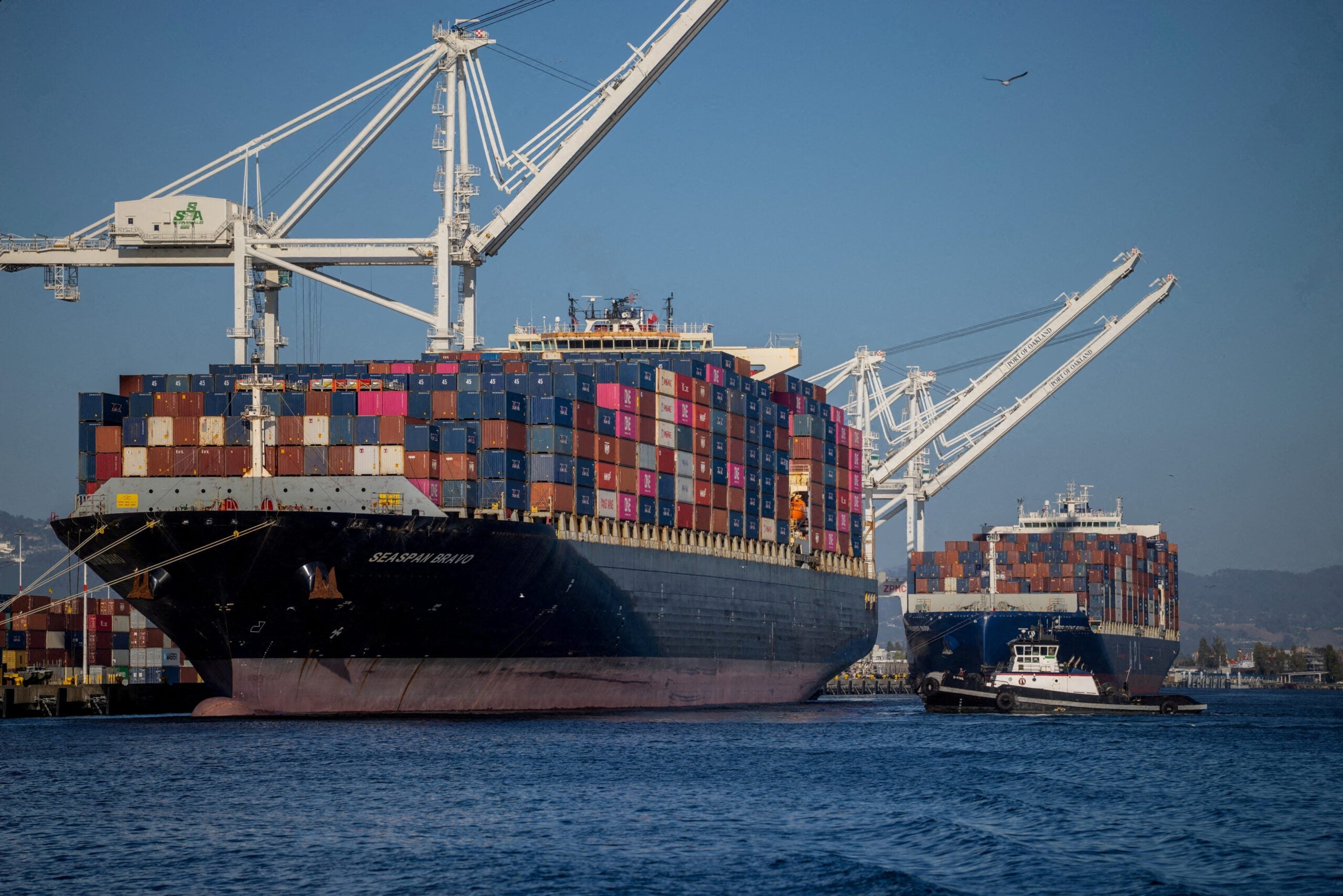
The most immediate risk lies in Asia, where countries depend heavily on crude oil and refined products from the Middle East. Notably, the U.S. may not be insulated from these challenges. The West Coast, often referred to as an “energy island,” is particularly vulnerable due to its limited pipeline connections to the U.S. Gulf Coast. This region has a crude-oil deficit of about 1.4 million barrels per day, which necessitates reliance on marine imports.
The Impact of Recent Refinery Closures
California’s recent refinery closures have exacerbated the situation, pushing the state to import over 20% of its refined product needs. Much of this is sourced from Asian refineries, making California especially susceptible to any crude supply chain disruptions driven by geopolitical tensions in the region.
Jones Act and Market Dynamics
While some stakeholders may attribute this vulnerability to the Jones Act, it is essential to recognize that political decisions and geographic factors play a more significant role. In a well-functioning market, fuels produced in nearby countries like South Korea or Japan often represent the most economical choice for distribution along the West Coast. These Pacific shipments are less costly because they avoid the tolls associated with transiting the Panama Canal, creating a competitive advantage for marine transport from North Asia to U.S. Pacific states.
Long-Term Energy Policies and Short-Term Vulnerabilities
The ongoing need for refined product imports underscores policy decisions in California, which have led to the closure of over 500,000 barrels per day of refinery capacity in the past decade. Simultaneously, environmental policies enacted in Alaska have contributed to a sharp decline in crude-oil production, dropping from over two million barrels per day at its peak to below 500,000 barrels per day today. Such choices have created vulnerabilities to fluctuations in market dynamics that should have been anticipated.
Planning for Energy Security
Achieving energy dominance isn’t merely about producing oil; it requires strategic considerations about how to distribute this energy effectively across the nation. This involves creating robust and, where necessary, redundant logistical systems to ensure that essential fuels remain accessible amidst geopolitical uncertainties.
The Role of Investment in Crisis Management
Reliance solely on free markets may not suffice; proactive measures often necessitate substantial investment in capabilities that yield returns during crises. It raises a critical question: how many times must we witness the repercussions of short-term thinking before we learn this vital lesson in energy resilience?
To delve deeper into these complexities and grasp the impending challenges within the global energy landscape, learn more about the implications of geopolitical tensions on fuel supplies.
For continuous updates and insights on maritime and energy issues, consider subscribing to a reliable newsletter that tracks these developments closely.
By understanding these interconnected issues, stakeholders can better navigate the challenges ahead and take strategic steps toward ensuring energy security both nationally and globally.
