

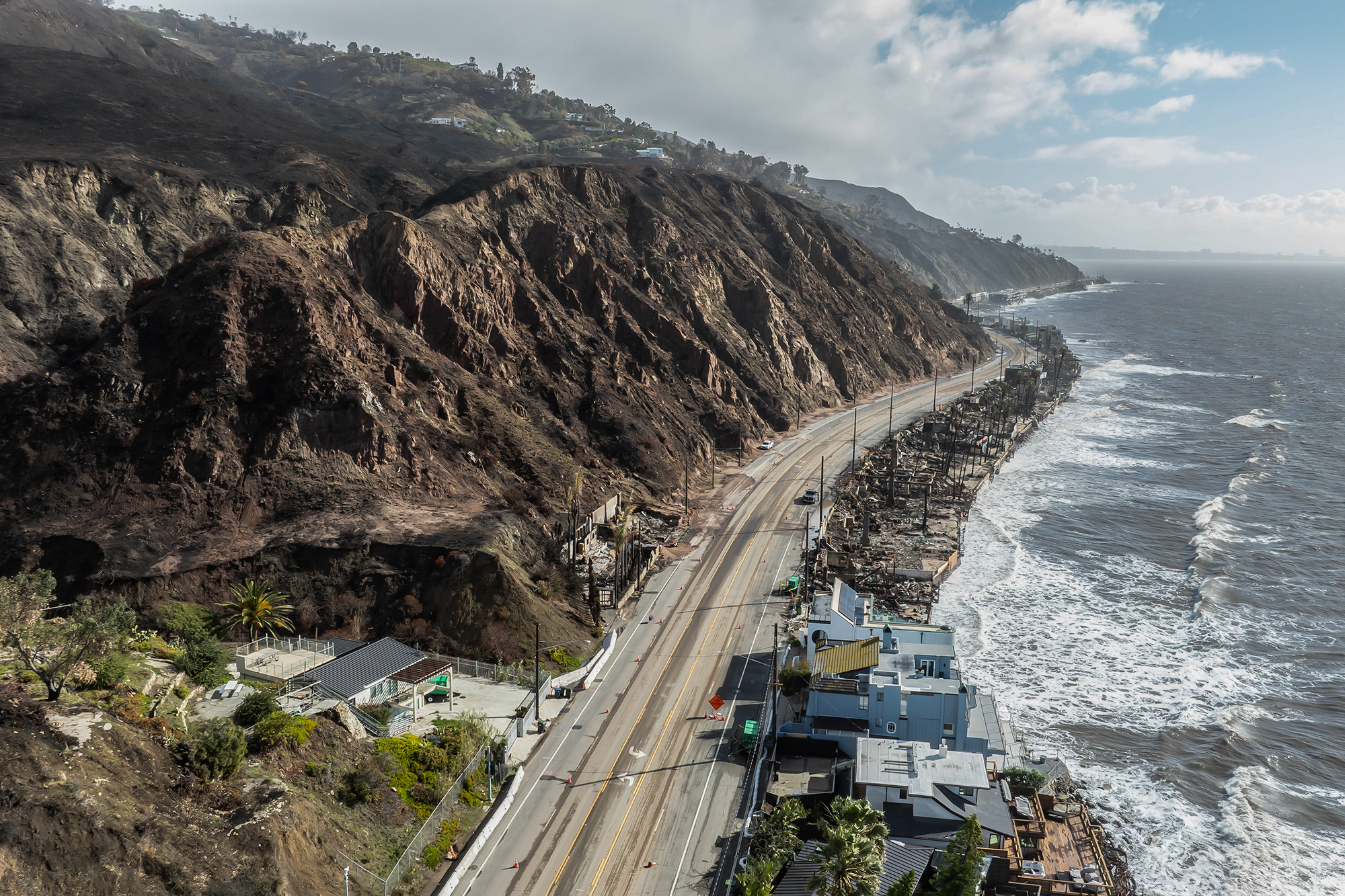
The Future of Highway 1: Protecting California’s Iconic Route from Mudslides
Highway 1 is a cherished symbol of California’s scenic beauty and vibrant lifestyle. However, its future is uncertain due to the increasing frequency of landslides that have wreaked havoc on this crucial roadway.
The Impact of Landslides
A series of devastating landslides began in January 2023, resulting in the closure of Highway 1 for approximately 36 months. As a consequence, local residents found themselves isolated, and the regional economy suffered significantly. According to a report by Beacon Economics, the monthly cost of this closure was an estimated $13.5 million, with the overall economic damage reaching nearly $500 million. This figure also includes approximately $30 million in lost tax revenue for local governments.
Recently, Highway 1 has reopened, but the risk of future landslides looms large. The combination of geological instability and severe weather events caused by climate change makes proactive measures crucial.
A Call for Proactive Measures
While the California Department of Transportation has done commendable work in stabilizing affected areas, there is an urgent need for a shift from reactive repairs to proactive strategies. To safeguard the economy of California’s Central Coast, policymakers must adopt comprehensive measures to protect this iconic roadway.
Suggested Strategies for Prevention
-
Engineering Solutions: Investments should be made to fortify the hillsides along Highway 1. Techniques like soil nailing, rock sheds, and cable-mesh attenuators can significantly lower the risk of landslides.
-
Use of Technology: Further integration of remote-controlled and autonomous machines can expedite repairs. From the previous closures, it was evident that human crews could not safely work on active slides. By pre-qualifying contractors to maintain a fleet of robotic units, immediate responses to future incidents can be ensured.
-
Sustainable Financing: Developing dedicated funding mechanisms for long-term road maintenance is essential. Governments should look into Enhanced Infrastructure Financing Districts to capture future growth in property taxes without increasing current taxes on residents. These districts could reinvest funds back into the road infrastructure.
-
Reservation Systems for High-Traffic Areas: Introducing a virtual parking reservation system at popular stops like Bixby Bridge could help mitigate congestion. Similar to the Muir Woods system, this initiative would generate funds for road maintenance while enhancing the visitor experience.
Economic Recovery and Community Resilience
Speedy recovery from closures is pivotal for maintaining local businesses and tourism. The past disruptions illustrated that uncertainty not only threatens jobs but also deters tourists. Active engagement in preventive measures can foster a sense of stability that attracts visitors and ensures the economic viability of the region.
Conclusion: The Path Forward for Highway 1
The geological hazards to Highway 1 are likely to persist, and waiting for another disaster to strike will only exacerbate the challenges. With local governments having already lost significant revenue during past closures, investing in proactive solutions offers a sustainable path forward. The time to act is now; ensuring the future safety and accessibility of this celebrated route is crucial. A proactive approach will not only protect the infrastructure but will also preserve the natural beauty that makes California’s Highway 1 a treasure for generations to come.
