

Drought Conditions Threaten Northern California: A Warning from Federal Forecasters
Overview of Drought Risks
Federal meteorologists have raised alarms regarding the potential re-emergence of drought conditions in Northern California as early as June. This warning comes just months after a wet winter, which had effectively alleviated dry conditions statewide. With a new outlook issued by the National Oceanic and Atmospheric Administration’s Climate Prediction Center, regions such as the Sacramento Valley and areas north of the Bay have been identified as particularly vulnerable to re-drying.
Impact of Dry Weather on Northern California
Southern regions of the Bay Area, particularly Napa, Sonoma, and Solano counties, are also predicted to slip back into drought conditions. This shifting climate pattern is concerning, as historically, dry spells have tended to spread southward over time. As of now, none of California is officially categorized as being in drought; however, 15.7% of the state is classified as “abnormally dry,” an early sign of the possible drought onset, according to the U.S. Drought Monitor.
Seasonal Weather Predictions
The Drought Monitor highlighted that drier and warmer-than-normal weather, combined with a pronounced snow drought, may exacerbate drought conditions in the weeks to come. This warning arrives amid an unexpectedly early heat wave gripping the Bay Area and much of California.
Earlier this winter, the state recorded abundant rainfall; however, the wet weather ended on a dry note. This dramatic shift showcases a deficit of about 3.5 inches of precipitation in major cities such as San Francisco, Sacramento, and Redding since January 1.
Snowpack Levels and Water Storage Concerns
Despite overall precipitation being near normal for the rainy season that began on October 1, the warm winter caused a significant depletion of California’s snowpack, which is at its lowest level in over a decade. The so-called “snow-eater heat wave” has rapidly diminished the state’s snow reserves, with reports indicating that the snowpack in the northern Sierra Nevada was only 18% of normal.
As large reservoirs like Shasta Lake and Lake Oroville typically fill from gradual snowmelt through late spring, the declining snowpack means total water storage is already falling below normal levels, as per the Center for Western Weather and Water Extremes.
Effects on Recreational Activities
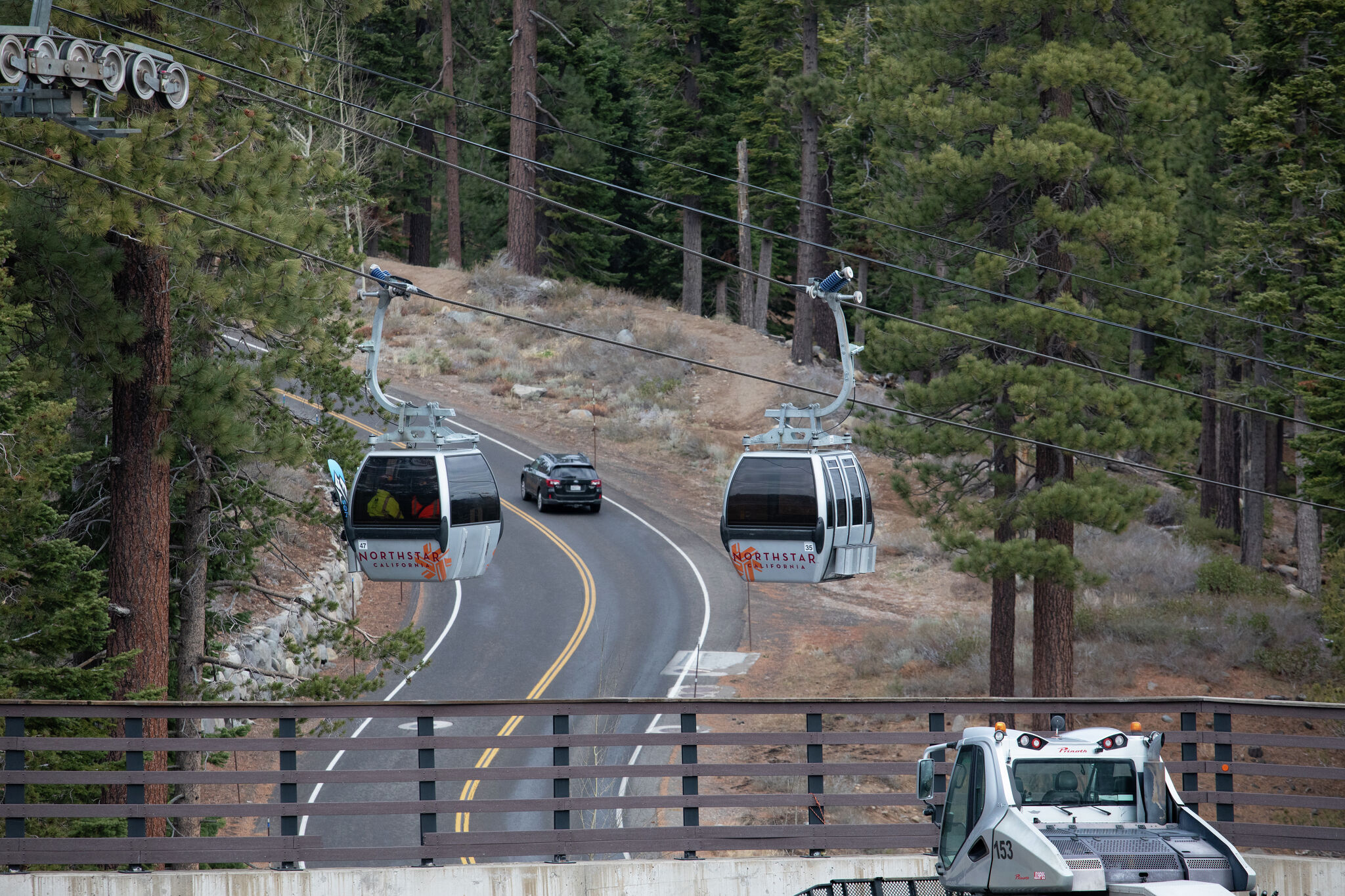
The region’s rapidly melting snow has also led to unexpected closures at several ski resorts, including Mount Shasta Ski Park, Sierra-at-Tahoe, and Homewood Mountain Resort. Forecasts did indicate a temporary cooldown over the weekend, but another round of heat is anticipated as we approach the last weekend of March.
Looking Ahead: Precipitation Timelines
Unfortunately, experts are not expecting significant rainfall until at least early April. The likelihood of a major storm hitting the state appears slim, especially as San Francisco typically averages only 2 inches of rain during the months of April and May. The situation is exacerbated by predictions from the National Weather Service’s Weather Prediction Center, highlighting the intense “record-breaking high-pressure ridge” that is leading to “almost summerlike heat” in the region.
Conclusion
In light of these developments, it is critical for residents of Northern California to stay informed about water conservation efforts and upcoming weather patterns. Continuous monitoring will be essential as the region navigates these precarious climate conditions. For more information on current water resources and conditions in California, visit the California Department of Water Resources.
